What do you need the inspection to answer?
An inspection for an active leak is different from a purchase review or a maintenance visit. Tell us why you called and share any previous repairs, reports or timing requirements. That context helps the findings answer the question you need to resolve.
What can be checked
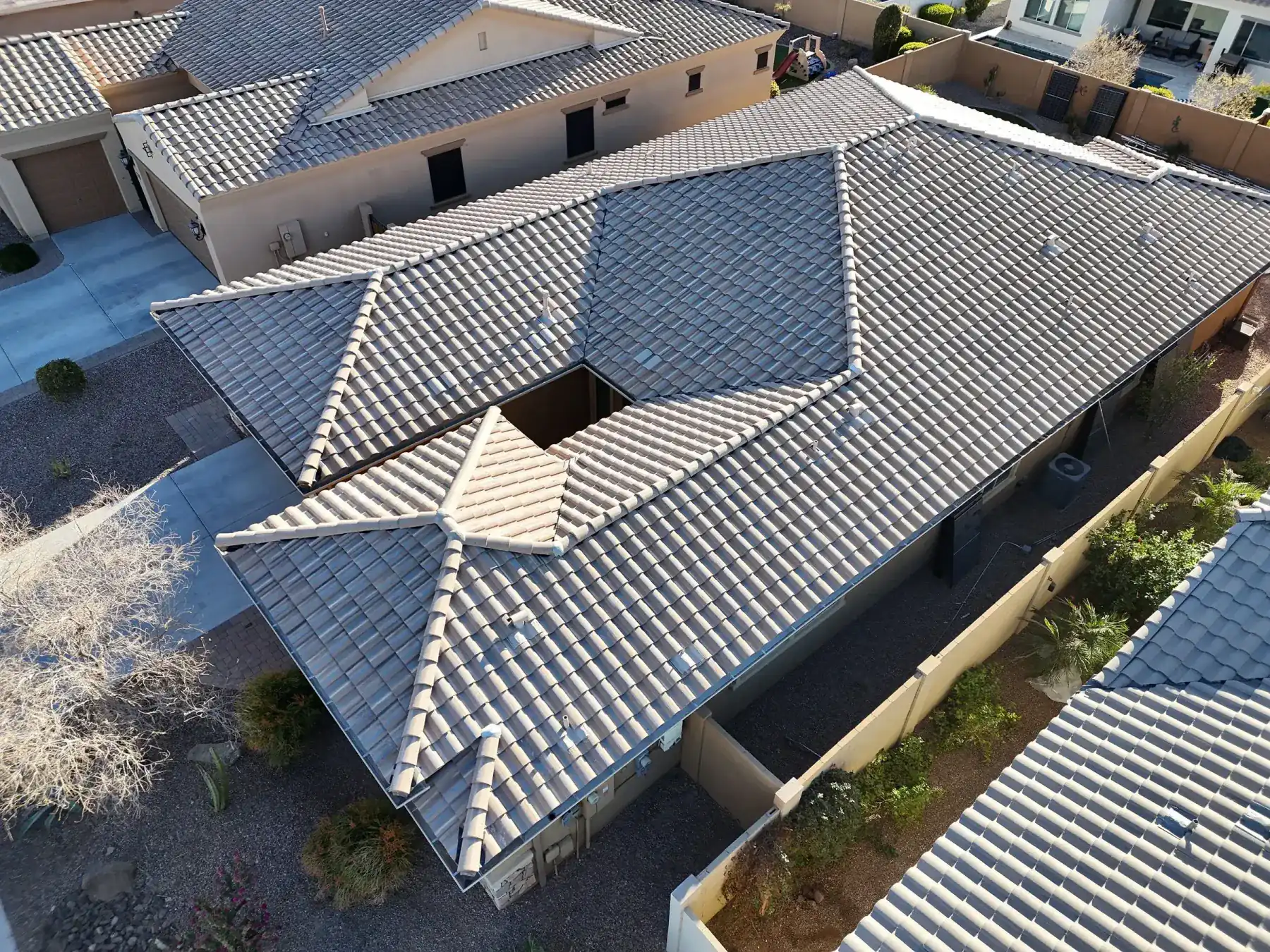
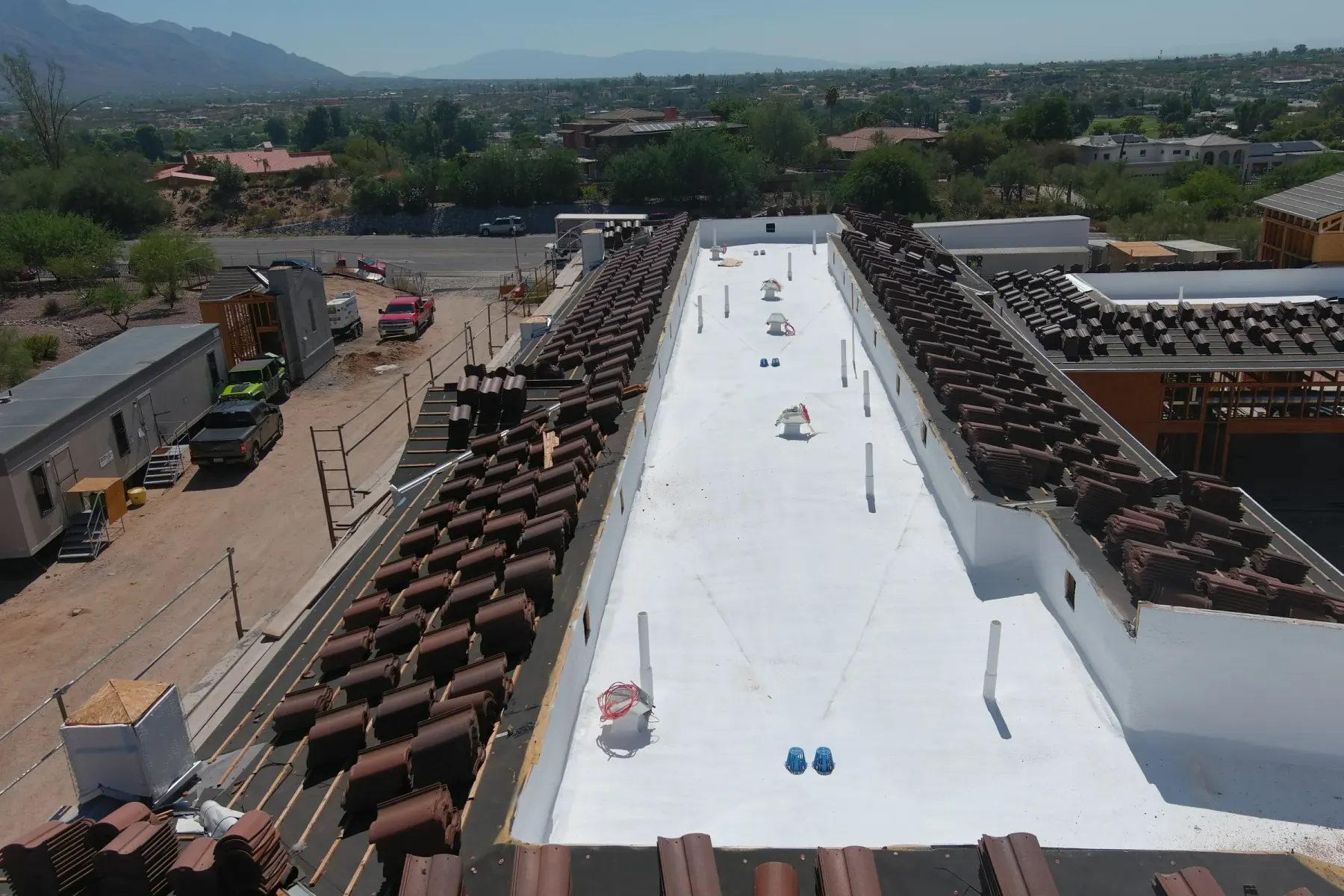
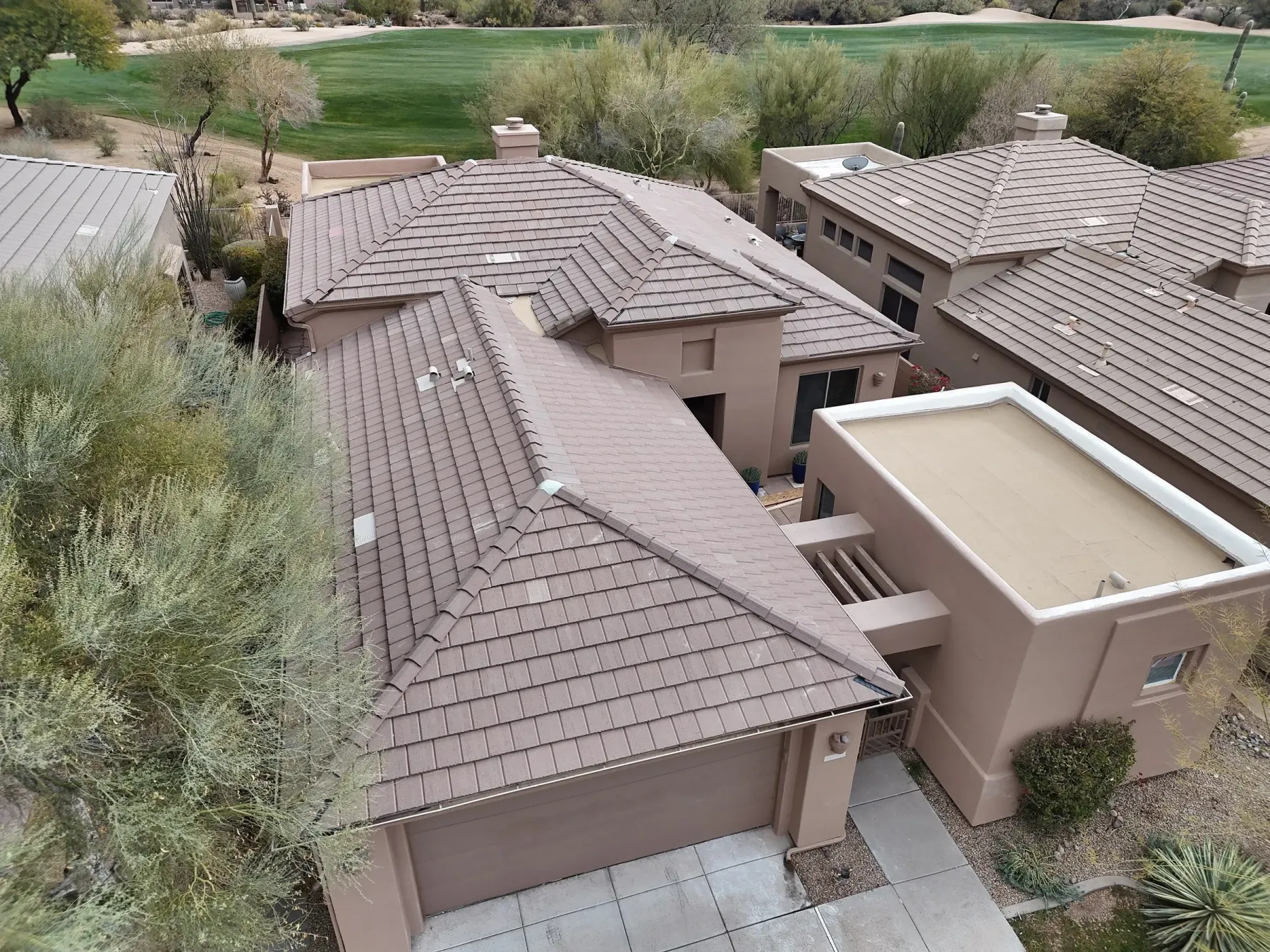
The accessible review can include the roof covering, seams, flashing, penetrations, valleys, edges, drains and previous repairs. Tile, shingles, foam and other low-slope systems have different details to inspect. Where a building has several materials, findings should identify the section involved.
Inside the property, note where water appears and whether it follows a particular storm or wind direction. The stain may be some distance from the entry point because water can travel along the roof layers or framing.
Understand the inspection limits
A visual review cannot confirm every concealed condition. Moisture, deck damage or structural concerns may require testing, openings or another qualified professional. A useful report says what was inspected, what could not be confirmed and what further work is recommended.
Use the findings to plan the next step
Ask for photographs, locations and clear priorities. The result may be monitoring, maintenance, a local repair or replacement planning. If a new roof is recommended, the findings should explain why a smaller repair is unlikely to be dependable.
Check the actual manufacturer, warranty, insurer or transaction requirements that apply to your property. A roofing inspection alone does not guarantee compliance with every contract or certify all structural conditions. For an inspection request, call 602-237-2478 or request a free quote.
Residential and commercial properties
For a home, mention interior stains, missing materials, recent storms or the purchase decision you are making. For a business, include tenant hours, rooftop equipment, access restrictions and any rooms that need special protection. Those details help define what can be reviewed safely.
Prepare without climbing onto the roof
Gather repair records and safe interior or ground-level photographs. Do not climb onto a wet, damaged or unstable roof to collect more information. Keep people clear of water near electrical equipment and sagging ceilings, and get emergency help for immediate hazards.
Call 602-237-2478 or Request a Free Quote to discuss the property and the purpose of the visit.