
01
Leak tracing
Inspect likely entry points, transitions and the path water can travel before it becomes visible inside. The interior symptom and exterior source are often not directly aligned.
Queen Creek, Arizona · Roof repair
Diagnosis-led roof repair for Queen Creek leaks, damaged tile or shingles, flashing failures and low-slope roof problems.
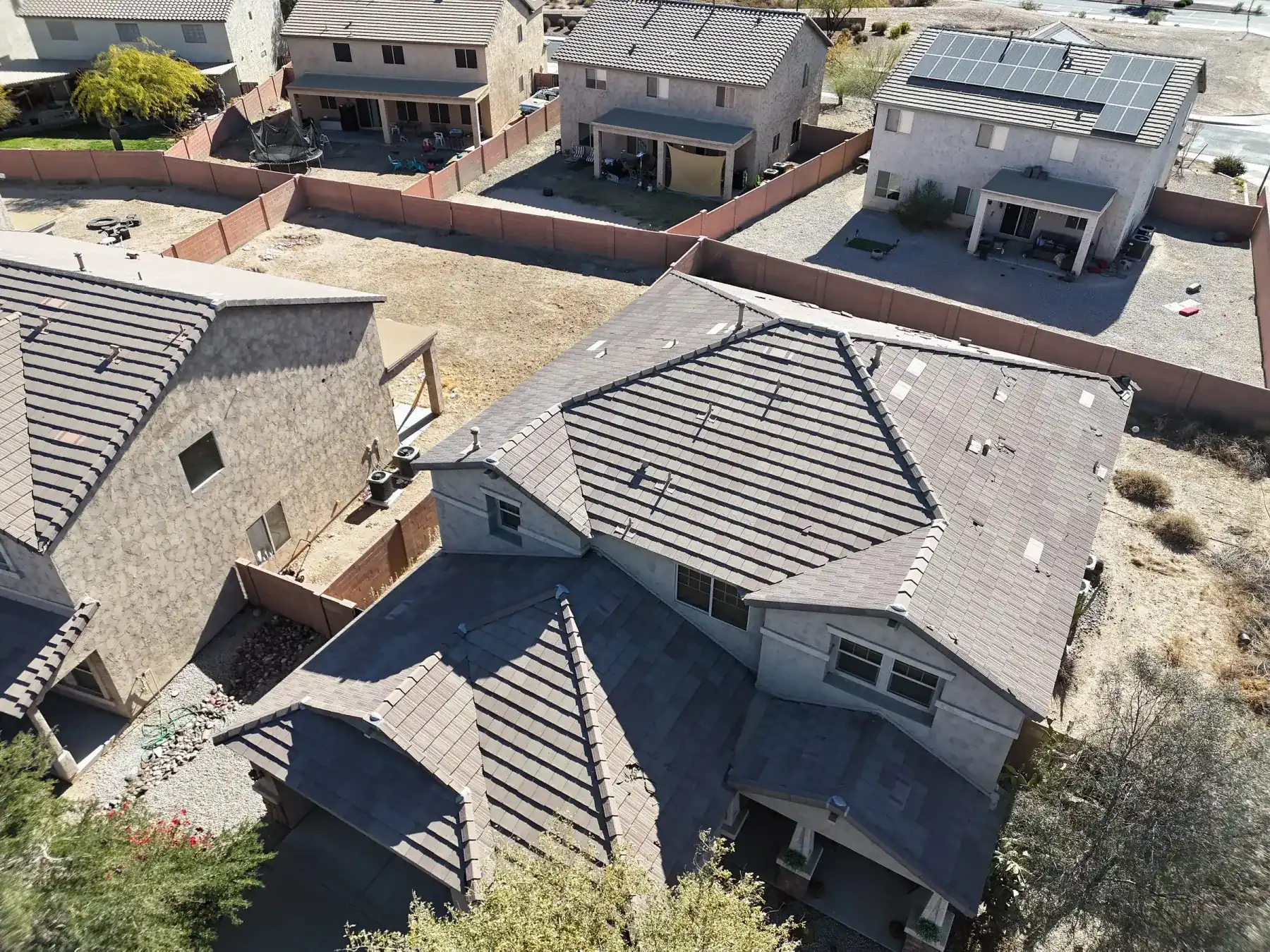
Repair the failure—not just the stain
The goal is to stop the active problem while avoiding a cosmetic patch that leaves the failure mechanism in place.
Inspect likely entry points, transitions and the path water can travel before it becomes visible inside. The interior symptom and exterior source are often not directly aligned.
Replace or reset damaged materials while checking the underlayment, fasteners, flashings and adjacent field so the repair addresses the working system.
Review walls, vents, skylights, pipes and other interruptions where movement or sealant failure can create concentrated risk.
Evaluate ponding, scuppers, drains, seams and coating or membrane condition before selecting a repair compatible with the existing assembly.
Queen Creek roofing context
Roof repair starts with diagnosis. The visible leak, lifted tile or damaged surface is evidence of a problem, but the repair scope should follow the actual water path, failed detail and condition of the surrounding assembly.
Queen Creek repair work should identify whether the problem is an isolated detail, storm-related damage or a transition between roof sections. The correction should be compatible with the existing system and include enough surrounding work to manage water reliably.
Queen Creek includes many newer tile-roof homes where an isolated installation detail can fail before the broader assembly is worn out. Repair should test that possibility first and avoid treating a localized flashing, valley or penetration issue as proof that the entire roof has expired.
Properties near the developing edge can also include detached structures, patios or additions with different roof systems. The repair boundary should state which structure and transition are included so one proposal does not blur several separate conditions.
Queen Creek includes newer subdivisions, custom homes, established properties and expanding commercial areas. Many roofs are relatively young, but age alone does not guarantee performance. Penetrations, valley details, tile breakage, drainage and installation quality can create focused problems that deserve a focused diagnosis.
The market also includes properties where additions, patio roofs or mixed roof sections create transitions between assemblies. Those junctions need to be evaluated as one water-control system rather than as separate materials.
America Roofing serves Queen Creek through the Phoenix market. The city hub keeps repair, inspection, replacement and commercial paths together and routes the final recommendation through the actual property evidence.
 Decision before scope
 Make the next decision defensible
Not every defect requires replacement, and not every aging roof is a good repair candidate. The decision should follow four practical questions.
A clear project path
Each step should reduce uncertainty and make the next decision easier to understand.
Start with the reported symptom, roof access and the details most likely to be involved. Record enough evidence to explain the proposed repair.
Identify what will be removed, reset, replaced or sealed, how adjacent material will be protected and which discoveries could change the scope.
Complete compatible work, remove debris and communicate what was found, what was corrected and what should still be monitored.
Roof-system fit
Repair methods have to match the assembly already on the building. The same surface symptom can require different work on tile, shingles or a low-slope roof.
Tile repairs may involve broken or displaced units, underlayment access, battens, flashings and careful reset of surrounding material.
Shingle repairs should account for fastening, seal strips, flashing integration and whether surrounding shingles can be lifted without causing more damage.
Low-slope repairs depend on compatible materials, dry substrate, drainage and sound transitions around walls, penetrations and equipment.
Arizona project proof
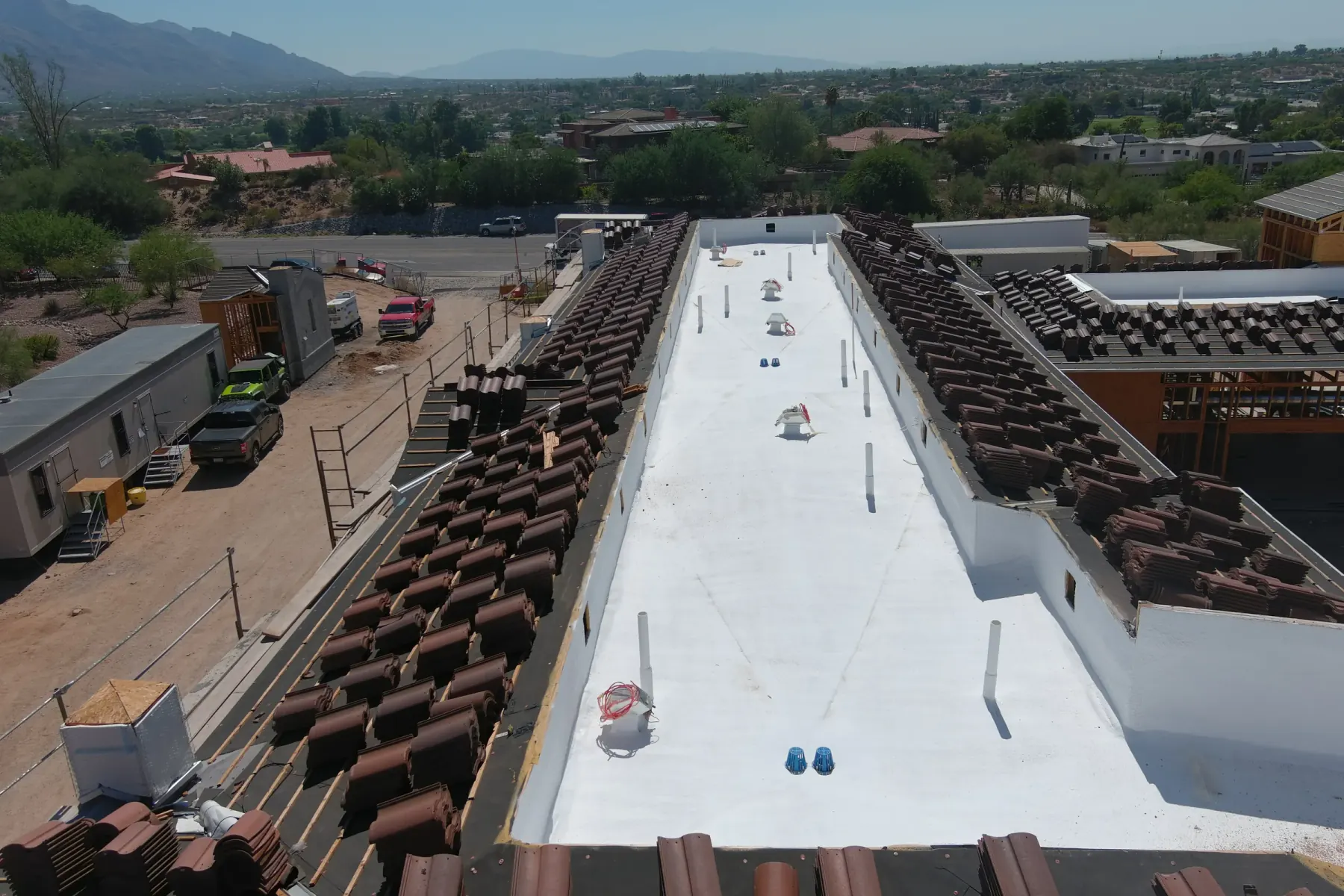
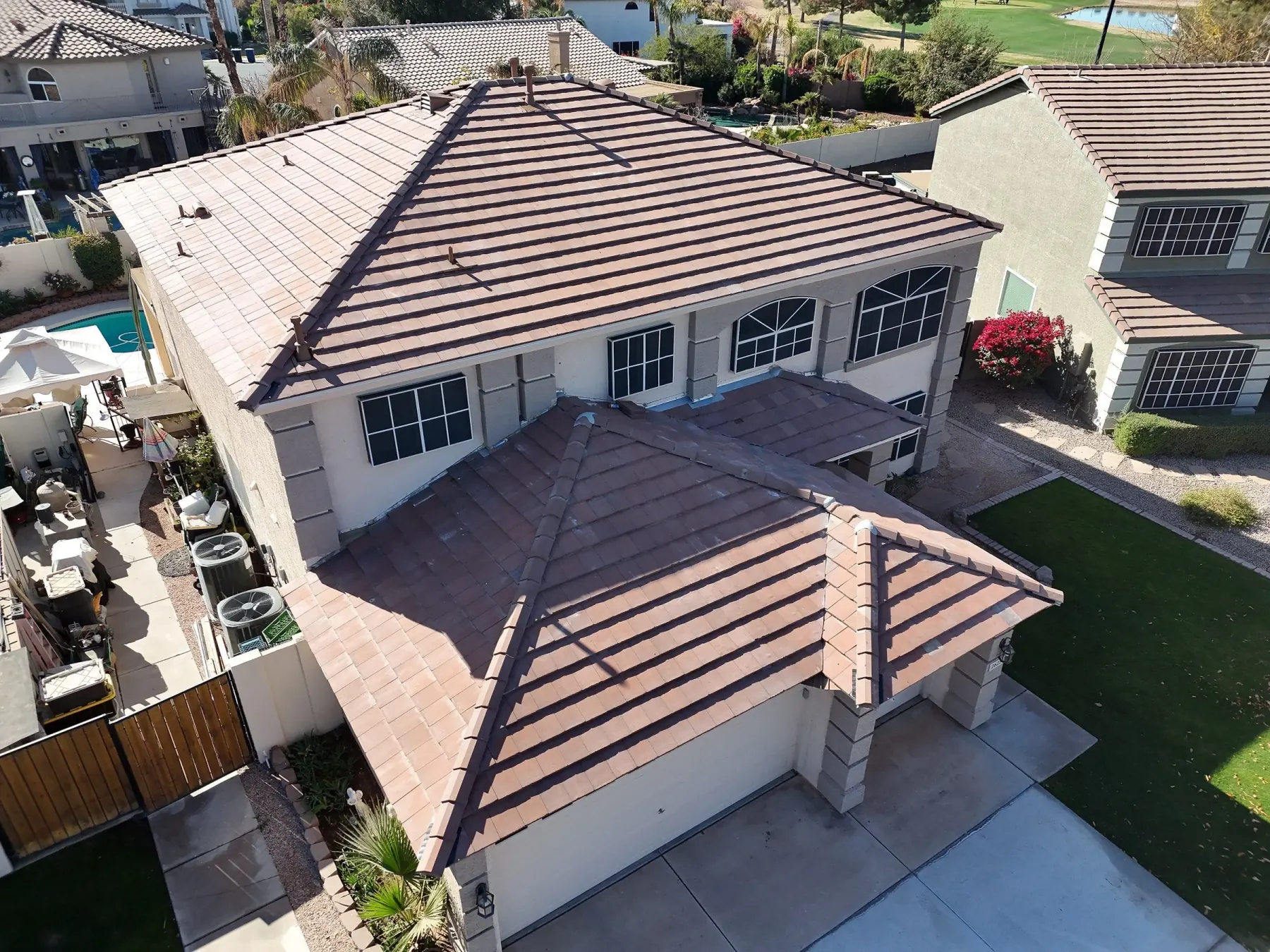
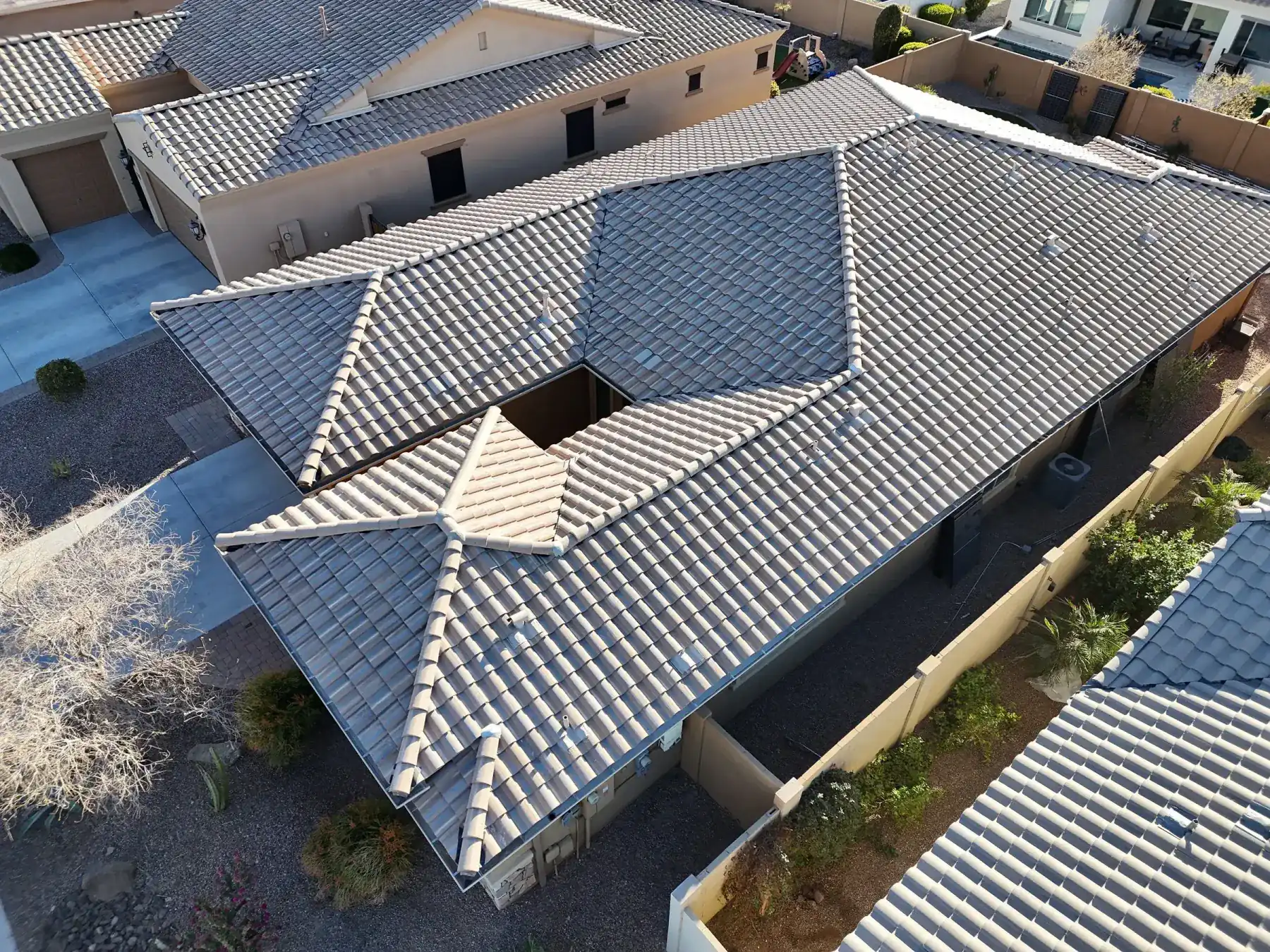
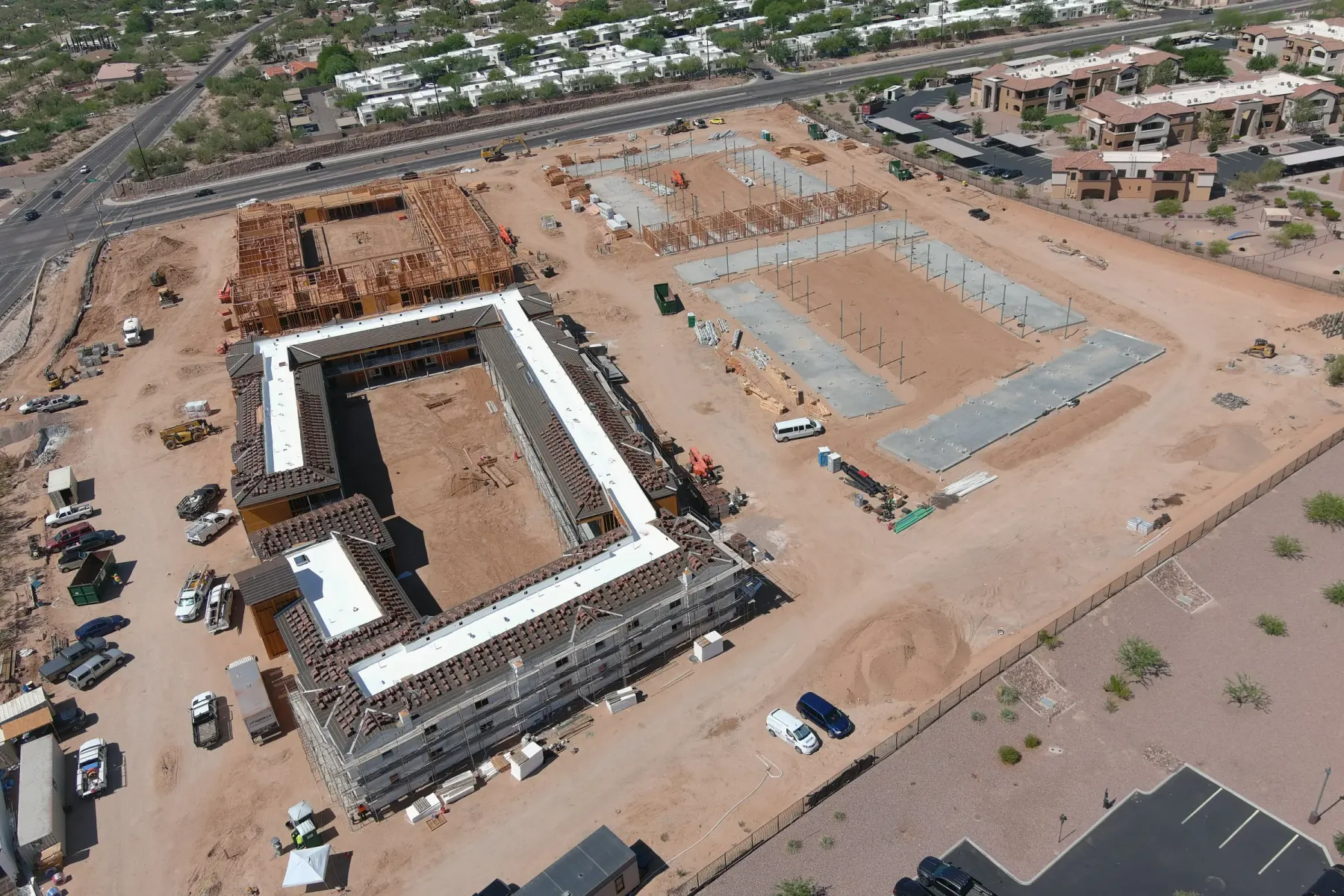
These photographs come from America Roofing’s Arizona project library. They demonstrate system experience without presenting every image as work from this specific city.
Queen Creek roof repair questions
These answers define the decision. The property inspection defines the actual work.
Repair is more practical when the failure is isolated, surrounding material still has useful life and compatible work can be integrated without creating broader damage. America Roofing inspects the affected assembly before recommending repair or replacement.
America Roofing evaluates tile, shingle and low-slope systems. The repair may involve the visible material, but underlayment, flashings, fasteners, penetrations and drainage details also have to be checked.
Not always. Water can move along underlayment, decking, framing or other surfaces before becoming visible. A useful repair begins by tracing plausible entry points and the path water can travel.
Replacement becomes more relevant when failures are distributed, repairs recur in different areas, the water-control layer is broadly deteriorated or surrounding materials cannot accept dependable localized work.
Call (602) 237-2478 or use the standard quote form. Include the property address, roof type, visible symptoms and when the issue appeared so the request reaches the correct market team.
Talk with a roofer
Tell us what you are seeing. We will inspect the roof, explain the options, and give you a practical next step—without the canned sales pitch.