
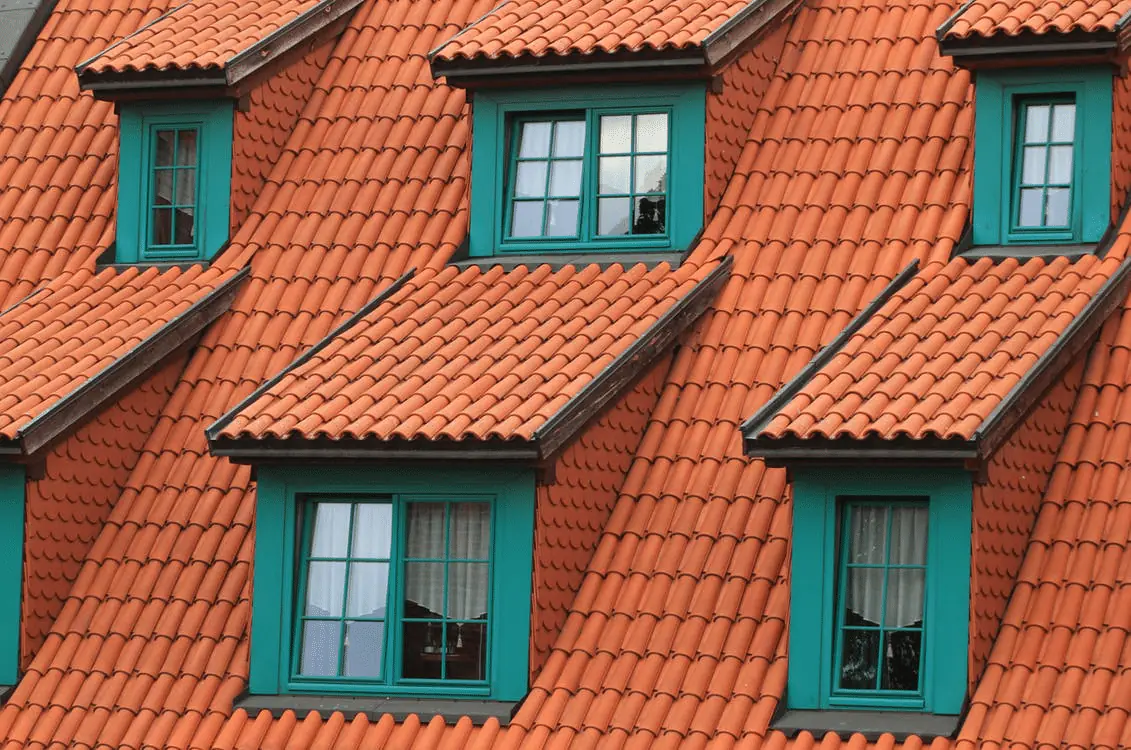
The visible roof covering is only the outer layer. A complete roof includes structure, deck, water-control layers, flashings, drainage and an interior heat-and-moisture strategy.
Structural framing carries roof loads
Rafters or engineered trusses transfer dead load, wind load and other design loads to the walls and foundation. Beams, purlins and other members may support special spans or roof forms.
Roofing contractors can identify visible concerns, but altered, cracked or overloaded framing may require an engineer or other qualified design professional.
Changing from a lighter covering to heavier tile is not merely a cosmetic swap. The complete assembly and structure must support the proposed load.
Sheathing creates the roof deck
Plywood, oriented strand board or board sheathing provides the surface supporting many roof systems. Deck type, thickness, span rating, edge support, spacing and fastening must suit the framing and covering.
APA's roof-sheathing guidance addresses panel placement, support, spacing and fastening because uneven or poorly installed decking can telegraph through the finished roof and weaken attachment.
During replacement, deteriorated or unsafe deck areas should be removed and rebuilt to supported edges. Covering soft deck with new material hides a structural problem.
Underlayment is a secondary water-control layer
Underlayment sits between deck and many steep-slope coverings. Its material and layering depend on roof type, slope, climate, code and product instructions.
It helps manage water that passes the outer covering, but it is not permission to ignore broken tile, failed flashing or missing shingles. Underlayment must be lapped so water moves toward the eave rather than beneath the next sheet.
Low-slope membranes and foam assemblies use different layer relationships and should not be described as shingles with “better underlayment.”
Flashings protect transitions
Flashings direct water at places where the roof changes plane or meets another component:
- Valleys
- Sidewalls and headwalls
- Chimneys
- Skylights
- Pipes and vents
- Curbs and rooftop equipment
- Eaves and rakes
- Parapets and scuppers
IRC Section R903 addresses weather protection, flashing and drainage because field material alone cannot waterproof those transitions.
Sealant may complement a flashing detail; it should not replace the metal, membrane laps or movement design the detail requires.
The roof covering handles direct exposure
Asphalt shingles, tile and metal coverings primarily shed water on qualifying slopes. Membranes and spray foam create continuous low-slope waterproofing assemblies.
The Asphalt Roofing Manufacturers Association describes shingles as one component alongside deck, underlayment, starter, leak barriers, ventilation and flashing. The same complete-system principle applies to other materials.
Choose covering by slope, structure, drainage, exposure, maintenance and product approval—not appearance alone.
Fasteners and attachment resist movement
Nails, screws, clips, adhesives and ballast secure different systems. Correct type, placement, spacing, embedment and corrosion resistance matter.
Overdriven shingle nails, exposed fasteners in drainage paths, loose tile attachment or metal panels unable to move thermally can create premature failures.
The approved system specifies its attachment. Substituting a convenient fastener can alter wind performance and warranty coverage.
Drainage needs a complete path
Steep roofs direct water toward eaves and valleys. Low-slope roofs use drains, scuppers, gutters, crickets and tapered components.
The path must continue after water leaves the roof. Discharge against stucco, foundations, walkways or lower roof walls can move the problem rather than solve it.
Emergency overflow may be required where blocked primary drainage could load or flood the roof.
Insulation and air sealing control heat flow
Insulation slows heat transfer. Air sealing limits uncontrolled movement of conditioned air and moisture. Their location depends on whether the building uses a vented attic or a designed unvented roof assembly.
The DOE durable-attic guide discusses moisture control and ventilation because roof durability also depends on what happens below the deck.
Do not mix vented and unvented strategies casually. Blocking intake while leaving exhaust, or adding vents to a conditioned assembly without analysis, can create new moisture and comfort problems.
Ventilation is a system, not one roof vent
A vented attic generally needs a designed intake and exhaust path that is not blocked by insulation or framing. Bathroom, kitchen and dryer exhaust should terminate as required rather than dumping moisture into the attic.
Ventilation cannot repair roof leaks, replace insulation or compensate for major air leakage. Diagnose the actual problem before adding vents.
How the layers fail together
A leak may begin at flashing, travel over underlayment, enter at a fastener and appear inside far from the source. Heat damage can involve roof color, insulation, duct leakage and ventilation together. A sag may be deck deterioration, framing movement or trapped moisture.
That is why useful inspections trace the assembly instead of blaming the first visible surface defect.
What a replacement proposal should identify
- Existing and proposed covering
- Deck type and replacement allowance
- Underlayment or membrane
- Flashing details
- Attachment method
- Drainage and overflow
- Insulation or ventilation work included
- Rooftop-equipment coordination
- Material and workmanship warranties
America Roofing can evaluate the full assembly through its Arizona new-roofing service and explain which layers require repair or replacement before pricing the work.
Consolidated guidance
Roofing 101: Understanding the Basics of Roof Installation and Repair
Welcome to our blog post on "Roofing 101: Understanding the Basics of Roof Installation and Repair." At America Roofing, we understand the importance of a sturdy and well-maintained roof. Whether you're a homeowner or a business owner, having a reliable roof is essential for protecting your property and ensuring your safety. In this comprehensive guide, we will walk you through the fundamentals of roof installation and repair, helping you make informed decisions about your roofing needs.
- Inspection and Assessment: Before we begin the installation, our experts conduct a thorough inspection of your current roof to identify any existing damage or underlying issues.
- Choosing the Right Materials: We help you select the most suitable roofing materials for your property, considering factors such as durability, aesthetics, and budget.
- Removing the Old Roof: If necessary, we remove the existing roof, ensuring a clean and stable foundation for the new installation.
- Preparation and Installation: Our skilled roofers prepare the surface, apply waterproofing measures, and begin installing the roofing materials, paying attention to proper alignment and ventilation.
- Flashing and Sealant: We install flashing around chimneys, vents, and other vulnerable areas to prevent water infiltration. Additionally, we apply sealant to ensure the roof is watertight.
- Final Inspection: Once the installation is complete, we perform a final inspection to ensure the roof meets our strict quality standards.
- Asphalt Shingles: Affordable and versatile, asphalt shingles are the most popular choice for residential roofs. They come in various styles and colors, providing durability and excellent protection against the elements.
- Metal Roofing: Metal roofs are known for their durability and longevity. They offer exceptional resistance to extreme weather conditions and are available in a variety of styles, including steel, aluminum, and copper.
- Tile Roofing: Tile roofs are renowned for their timeless beauty and exceptional durability. They are resistant to fire, rot, and insects, making them an ideal choice for homeowners seeking longevity and aesthetics.
- Slate Roofing: Made from natural stone, slate roofs are known for their elegance and durability. They have a distinctive appearance and can last for over a century when properly maintained.
- Wood Shake: Wood shake roofs offer a rustic charm and natural appeal. They are eco-friendly, energy-efficient, and provide excellent insulation. However, they require regular maintenance to prevent rot and insect damage.
- Leakage: Water stains or dampness on your ceilings or walls indicate a possible roof leak. It's important to address this issue promptly to prevent water damage and mold growth.
- Missing or Damaged Shingles: If you notice shingles that are cracked, curled, or missing, it's a clear sign of roof damage. Damaged shingles can expose your roof to water infiltration and should be replaced promptly.
- Sagging or Uneven Roof: A sagging or uneven roof may indicate structural damage or weakened supports. This issue requires immediate professional assessment to prevent potential collapse.
- Granule Loss: Asphalt shingles often lose granules over time, but excessive granule loss may signal aging or defective shingles, reducing their effectiveness in protecting your roof.
- Mold or Mildew Growth: The presence of mold or mildew on your roof or in your attic can indicate poor ventilation, which can lead to roof deterioration and potential health hazards.
- Extent of Damage: If the damage is localized or affects only a small area, repairs may be sufficient. However, if the damage is extensive, widespread, or recurrent, a replacement might be more cost-effective in the long run.
- Age of the Roof: The age of your roof is an important consideration. If your roof is nearing the end of its lifespan and experiencing frequent issues, a replacement may be a better investment than multiple repairs.
- Energy Efficiency: Upgrading to a new roof with improved insulation and energy-efficient materials can help lower your energy bills and reduce your carbon footprint.
- Aesthetics: If you're unhappy with the appearance of your current roof or wish to enhance your property's curb appeal, a replacement allows you to choose a new material, style, or color that better suits your preferences.
Should I repair or replace my roof?
The decision to repair or replace your roof depends on factors such as the extent of the damage, the age of the roof, energy efficiency considerations, and your aesthetic preferences. Minor issues and localized damage can often be addressed with repairs. However, if the damage is extensive, recurring, or the roof is nearing the end of its lifespan, a replacement may be more cost-effective and provide long-term benefits. Consulting with a trusted roofing contractor like America Roofing can help you determine the best course of action for your specific situation.
- Experience and Reputation: Look for contractors with extensive experience in the industry and a solid reputation for delivering high-quality workmanship.
- License and Insurance: Ensure that the contractor is licensed and carries the necessary insurance, including liability insurance and workers' compensation coverage.
- References and Portfolio: Ask for references from past clients and request to see examples of their completed projects. This will give you a sense of their craftsmanship and professionalism.
- Warranty: Inquire about the warranties offered by the contractor for both materials and labor. A reputable contractor should stand behind their work and provide appropriate warranties.
- Transparent Communication: Choose a contractor who communicates openly and clearly, addressing your questions and concerns promptly. Good communication is essential for a smooth and successful roofing project.
Conclusion
We hope this comprehensive guide on "Roofing 101: Understanding the Basics of Roof Installation and Repair" has provided you with valuable insights into the key factors that impact your roofing needs. A well-installed and properly maintained roof is essential for the protection and longevity of your property. At America Roofing, we are dedicated to delivering exceptional roofing solutions tailored to your specific requirements. Whether you need a roof installation, repair, or replacement, our experienced team is here to assist you. Contact us today at Phoenix:
Primary references
Sources used for this guide
- 2021 IRC Section R903 — Weather Protection International Code Council
- Proper Installation of APA Rated Sheathing for Roof Applications APA — The Engineered Wood Association
- A Simple Guide to Understanding Asphalt Shingle Roofing Systems Asphalt Roofing Manufacturers Association
- Consumer Guide to Durable Attics U.S. Department of Energy