
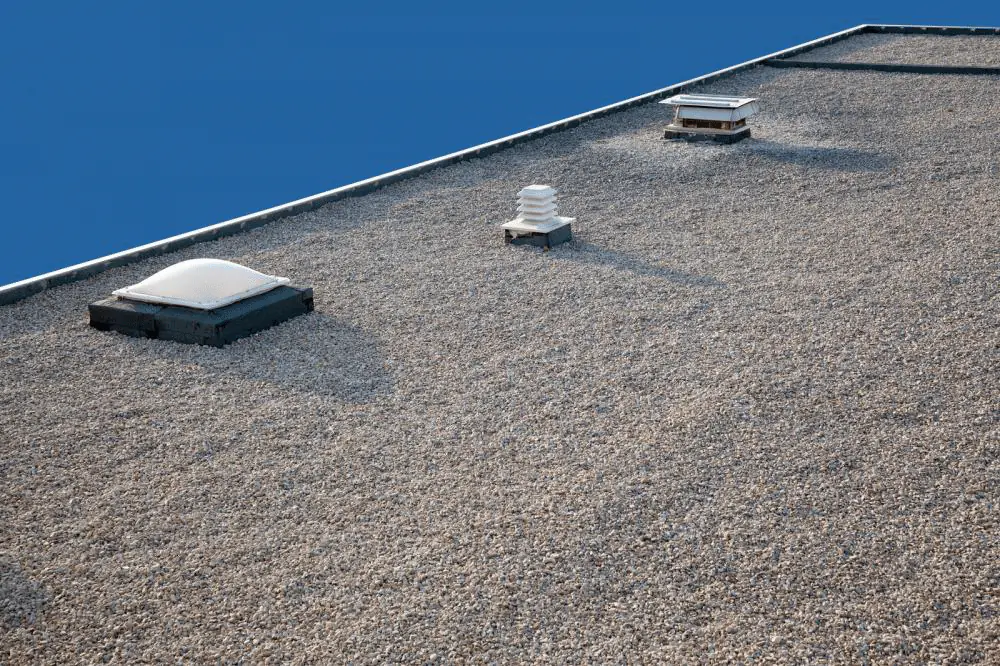
Flat roofs have a reputation—some of it deserved, some of it dated. In a place like Maricopa County, though, they’re not just a style choice; they’re practical. They manage heat, simplify service work, and give you real estate you didn’t know you owned—up there. You know what? If you’re weighing your next roof, it’s worth looking past the clichés and seeing how a low-slope system actually plays with our desert sun, monsoon bursts, and everyday budgets.
Why flat roofs make sense around Phoenix
Our climate is extreme but predictable: long hot spells, sudden downpours, and dust that finds its way into everything. A well-built flat roof leans into that reality. It’s easy to access for inspections after a haboob, it handles mechanical equipment without drama, and it pairs nicely with reflective coatings that knock down heat gain. That’s the broad view. Now, let’s get specific.
1) Usable rooftop space—without the circus act
Here’s the thing: a low-slope = usable space. Not a rooftop bar (usually), but a work zone that’s safe and serviceable. HVAC techs can access units without climbing a mountain of shingles. Satellite dishes, mini-splits, swamp coolers—everything has a logical home with proper curbs and walk pads. On some commercial buildings and contemporary homes, owners even create small shade lounges or garden zones, provided the structure and waterproofing are designed for it. Mild contradiction coming: “It’s called flat, but it isn’t flat.” Correct. It’s built with a slight pitch so water moves; you still get practical space without feeling like you’re on a slope.
2) Faster installs, easier repairs
Honest truth: fewer angles mean fewer headaches. Flat roofing systems minimize complicated transitions, keep penetrations tidy, and make leak tracing more straightforward. Need a patch on TPO or a seam tune-up on modified bitumen? Crews can walk it, find the issue, and fix it quickly—especially if the roof has been maintained. Even better, equipment upgrades won’t require acrobatics. In Greater Phoenix where summer breakdowns are brutal, a roof that lets technicians move quickly matters more than it gets credit for.
3) Energy smarts for desert heat
Reflective membranes and coatings are quiet heroes here. White TPO, PVC, and elastomeric coatings bounce a big chunk of solar radiation, reducing roof surface temps and helping the interior stay cooler. Add rigid or spray foam insulation (spray polyurethane foam is common across the Valley), and you get a continuous thermal layer that cuts thermal bridging. This isn’t magic—it’s physics—yet it feels a bit magical on a 112°F afternoon when the attic or top floor isn’t baking. Pair that with good air sealing around penetrations and parapets, and your HVAC system breathes a little easier all summer long.
4) Solar-ready and future-friendly
Flat roofs are naturals for solar arrays. Panels can be oriented for optimal sun exposure without being locked to a roof pitch. Ballasted racking systems can reduce penetrations, and where penetrations are needed, modern flashing details are robust. If you’re thinking batteries, EV chargers, or future mechanical additions, a low-slope platform gives you room to evolve. One more local angle: shade structures placed near rooftop equipment can soften radiant heat and extend equipment life. Thoughtful, simple, and very Phoenix.
5) Clean, modern look—plus real budget control
Whether it’s a mid-century home in Scottsdale or a small warehouse in Mesa, flat roofs offer a crisp silhouette. But the bigger win is choice. You can match your budget and performance needs with materials like:
- TPO/PVC: Heat-welded seams, bright white, highly reflective.
- Modified Bitumen: Time-tested, durable, great for detail work.
- BUR (Built-Up Roofing): Multiple plies for redundancy; classic commercial option.
- Spray Foam (SPF) with Coating: Seamless insulation + waterproofing; easy to recoat.
Because crews move faster and waste is often lower than on complex pitched roofs, you can keep costs predictable. Not cheap. Predictable. There’s a difference, and it helps.
“But what about ponding water?”
Fair question—and the right one to ask. Water that lingers can shorten a roof’s life. That’s why competent installers use tapered insulation to nudge water toward drains, scuppers, and gutters. They set minimum slopes (typically 1/8" to 1/4" per foot), use oversized scuppers for monsoon bursts, and specify walk pads to protect high-traffic routes. If you’ve ever seen ponding, it’s usually about design or neglect, not “flat roofs are bad.” Proper slope and maintenance close the loop.
Built for monsoon season
Summer storms in Maricopa County don’t ask politely. Gusty winds, sheet rain, flying grit—everything shows up at once. Low-slope systems with fully adhered membranes handle uplift better than you’d think when they’re installed to spec. Parapet walls can shield the roof edge, and well-sealed flashings keep wind-driven rain from sneaking in. After a storm, the wide, walkable surface makes inspections simple: clear debris, check seams, confirm drains are open, and you’re back to normal. Honestly, that ease matters when you’re juggling work, kids, and a forecast that still says “Excessive Heat Warning.”
Material picks that work here
Not every roof needs the same setup. A quick guide for Valley conditions:
- White TPO: Excellent reflectivity, strong seams, widely used on commercial buildings in Phoenix, Tempe, and Chandler.
- PVC: Great chemical resistance (nice near restaurants), heat-welded seams like TPO.
- Modified Bitumen (SBS/APP): Durable plies with cap sheets; solid for residential add-ons and small buildings.
- SPF + Elastomeric Coating: Seamless insulation; easy to recoat every 8–12 years to extend service life.
Each has strengths. The “best” choice depends on your building, sun exposure, foot traffic, and whether solar is in your plans. Let me explain: we’ll often recommend a white, heat-welded system where reflectivity and clean seams are the priority, but if you need recoatability and insulation in one move, SPF can outshine others.
Maintenance that actually sticks
If you remember nothing else, remember this: flat roofs reward small, regular checkups. Twice a year is typical here—pre-summer and post-monsoon—plus a quick look after big storms. Keep drains clear, remove palm fronds and tumbleweeds (yes, really), watch for scuffed areas near service paths, and refresh coatings before they age out. A five-minute walk can save a five-figure surprise.
When a flat roof isn’t the right call
We’d be remiss not to say it: some homes simply want a pitched profile—HOA rules, historic aesthetics, or complex water management around intersecting roof planes. In those cases, cool-color shingles or metal can make more sense. Mild contradiction again: we love flat roofs, but we love the right roof more.
So, are flat roofs worth it here?
For many Valley homes and most commercial buildings, yes. Usable space, easier service, serious heat control, solar flexibility, and clear cost management—those five advantages show up fast in Maricopa County. Add thoughtful design for drainage and a simple maintenance routine, and a low-slope roof becomes the practical choice that doesn’t shout about itself. It just works.
Talk to a local crew that knows our weather
Ready for a straightforward opinion on your building? We’ll assess your structure, slope, drainage, and future plans (solar, HVAC changes) and recommend the system that fits—not the flavor of the month. Quick estimate, clear scope, clean install.
Let’s get you a quote
- By Phone: 602-237-2478
- By Form: https://www.americaroofingco.com/request-quote/#go