
01
Removal and deck conditions
State what will be removed, whether a recover is being considered, how the deck will be evaluated and how unforeseen damaged material will be handled.
Buckeye, Arizona · New roofing & replacement
Complete new-roofing and roof-replacement planning for Buckeye, from removal and deck assumptions through materials, flashings and drainage.
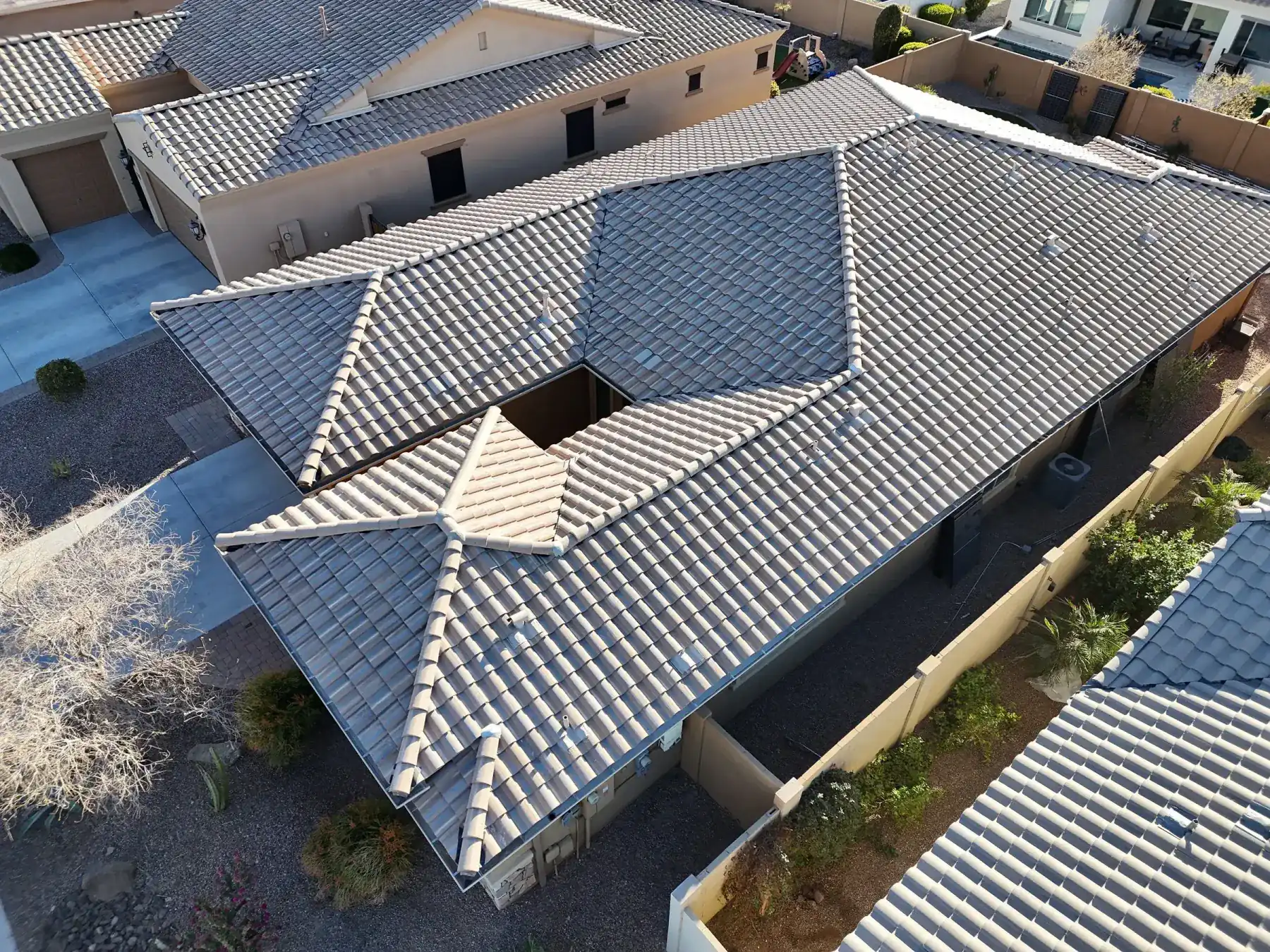
Plan the whole installed system
Clear assumptions make bids easier to compare and reduce the chance that important work appears later as a surprise.
State what will be removed, whether a recover is being considered, how the deck will be evaluated and how unforeseen damaged material will be handled.
Specify the layers and transitions that manage water beneath the visible finish, including valleys, walls, penetrations and perimeter details.
Choose tile, shingles, foam, coating or membrane components based on roof geometry, existing conditions, drainage, use and long-term maintenance—not appearance alone.
Plan access, staging, debris, occupied areas, rooftop equipment and communication so the installation is workable for the property.
Buckeye roofing context
A new roof or roof replacement is more than the visible tile, shingle or coating. The scope should account for removal, deck findings, flashings, drainage, penetrations, compatible materials and the details that make the finished assembly perform.
Replacement should be supported by widespread condition, repeated failures or a clear ownership decision. The proposal must still define removal, deck assumptions, underlayment or membrane, ventilation, flashings and cleanup.
Buckeye replacement proposals should state why broader work is justified when the property may have a relatively recent roof. Repeated failures, incompatible repairs or distributed deterioration are stronger evidence than age by itself.
The written system should define removal, deck assumptions, underlayment or membrane, flashings, penetrations, ventilation or drainage, material handling and cleanup. Connected patios and low-slope sections need explicit boundaries so their transitions do not become somebody else’s problem.
Buckeye is one of the Valley’s fastest-growing communities, with large areas of newer housing alongside established properties and expanding commercial development. Newer roofs still need careful evaluation when a leak appears because valleys, penetrations, flashings and connected patio or low-slope sections can fail independently of the main material.
A city with active construction also creates many ownership timelines. Some owners need a focused repair and documentation; others are comparing long-term replacement value. The roof condition and supporting assembly should answer that question rather than the build year alone.
America Roofing routes Buckeye work through the Phoenix market. This city hub gathers the core service paths in one place and gives the property inspection the job of determining what is actually necessary.
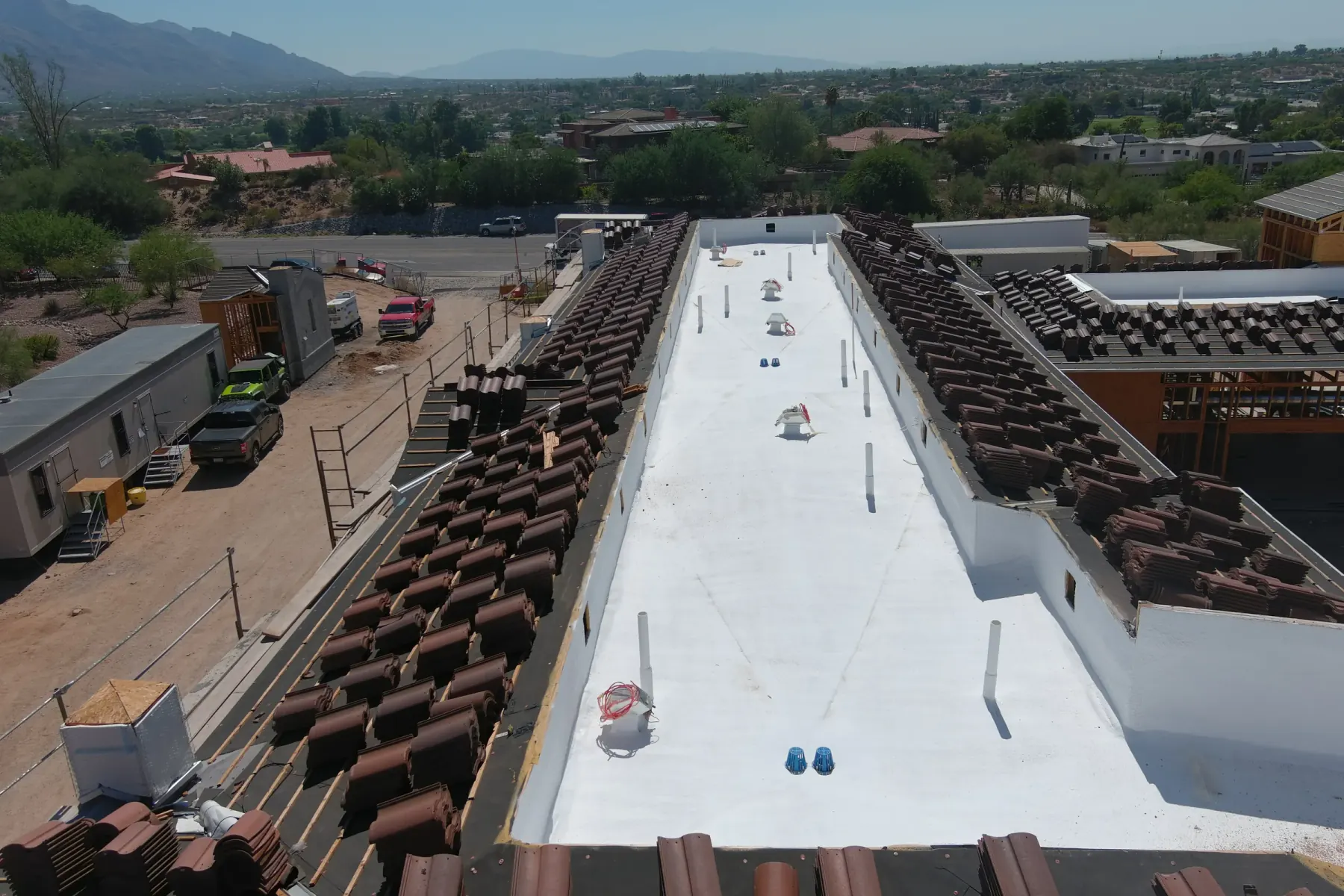 Decision before scope
 Make the next decision defensible
Replacement is justified by system condition and long-term value, not simply by roof age or a single damaged area.
A clear project path
Each step should reduce uncertainty and make the next decision easier to understand.
Review the existing roof, confirm priorities and compare repair, recover or replacement based on condition and realistic service expectations.
Define removal, materials, flashings, penetrations, drainage, deck assumptions, access and the process for documented changes.
Protect the property, complete the specified assembly, manage debris and communicate final condition, documentation and maintenance considerations.
Roof-system fit
The right material is the one that fits the roof geometry, existing structure, drainage and ownership goals as a complete assembly.
Tile projects depend on the condition of reusable or replacement tile, underlayment, battens, flashings, valleys and careful integration at walls and penetrations.
Shingle replacement should define tear-off, deck preparation, underlayment, edge metal, flashings, ventilation considerations and manufacturer-compatible details.
Low-slope replacement or restoration requires dry, sound substrate, positive drainage, compatible materials and durable details around parapets, drains and equipment.
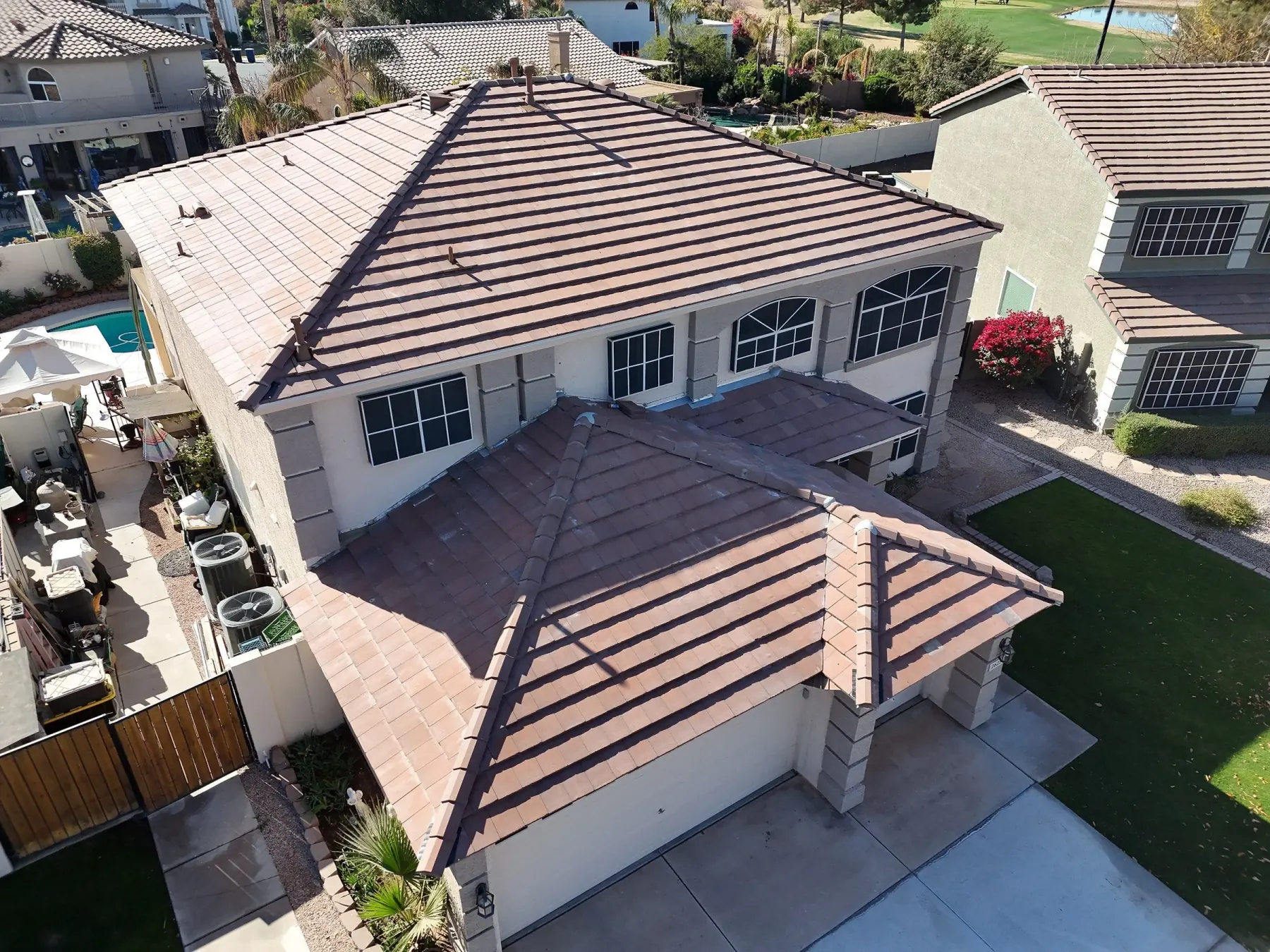
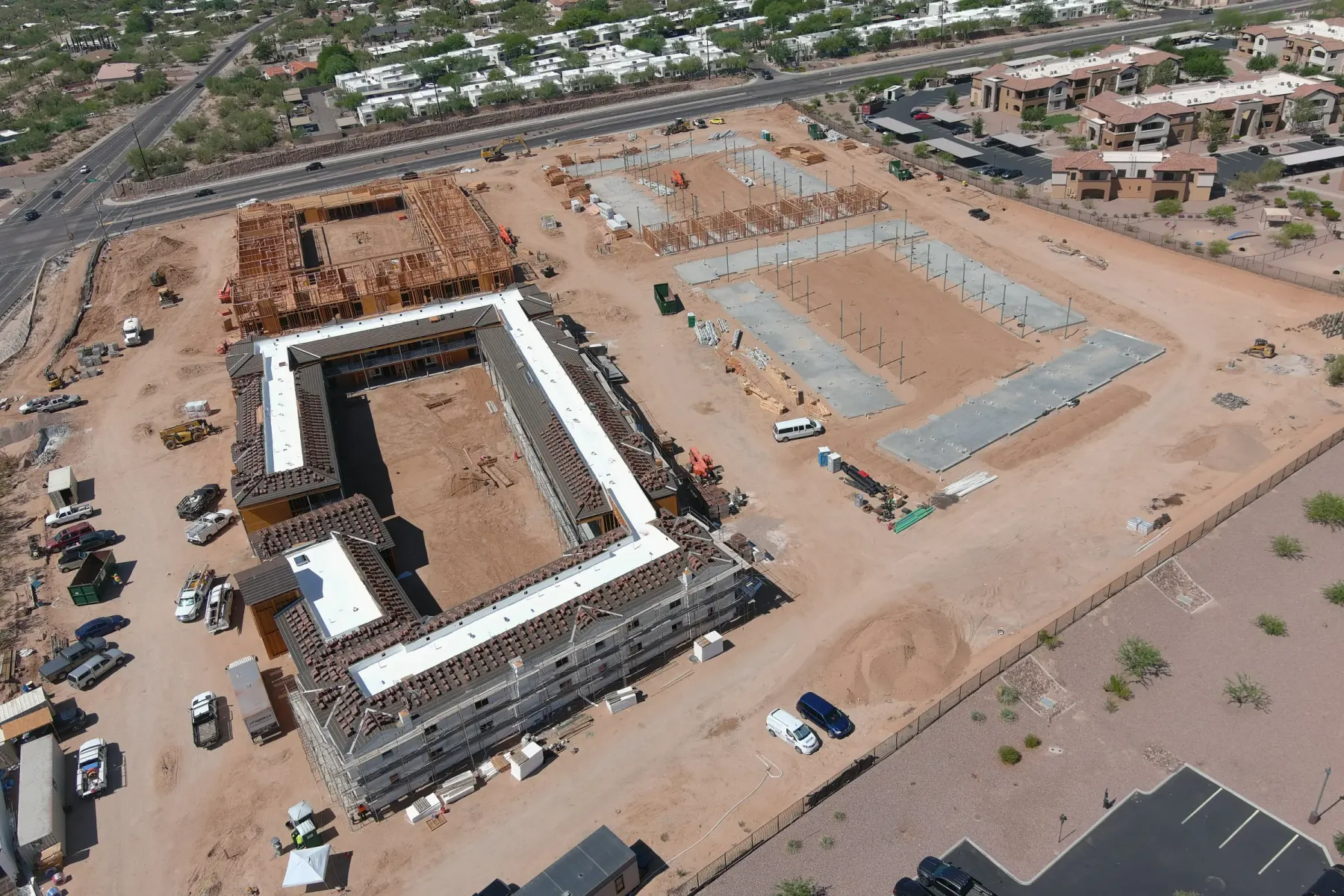
Arizona project proof
These photographs come from America Roofing’s Arizona project library. They demonstrate system experience without presenting every image as work from this specific city.
Buckeye new roofing & replacement questions
These answers define the decision. The property inspection defines the actual work.
Yes. This page owns both new-roof installation and replacement intent. The scope can include tear-off or recover evaluation, deck findings, underlayment or membrane, flashings, drainage and the visible finish system.
Compare removal depth, deck assumptions, exact material system, underlayment, flashings, penetrations, edges, drainage, cleanup, change procedures and closeout—not only the finish material and total price.
Some projects can reuse serviceable tile, but the decision depends on tile condition, availability, handling losses, layout and the scope beneath it. Reuse assumptions should be written into the proposal rather than implied.
The answer depends on roof geometry, existing structure, drainage, property use, maintenance expectations and budget. Tile, shingles, foam, coatings and membranes solve different conditions and should be compared as complete assemblies.
Call (602) 237-2478 or use the standard quote form. Include the address, roof type, known age or repair history and whether the request is for replacement, new construction or planning.
Talk with a roofer
Tell us what you are seeing. We will inspect the roof, explain the options, and give you a practical next step—without the canned sales pitch.