
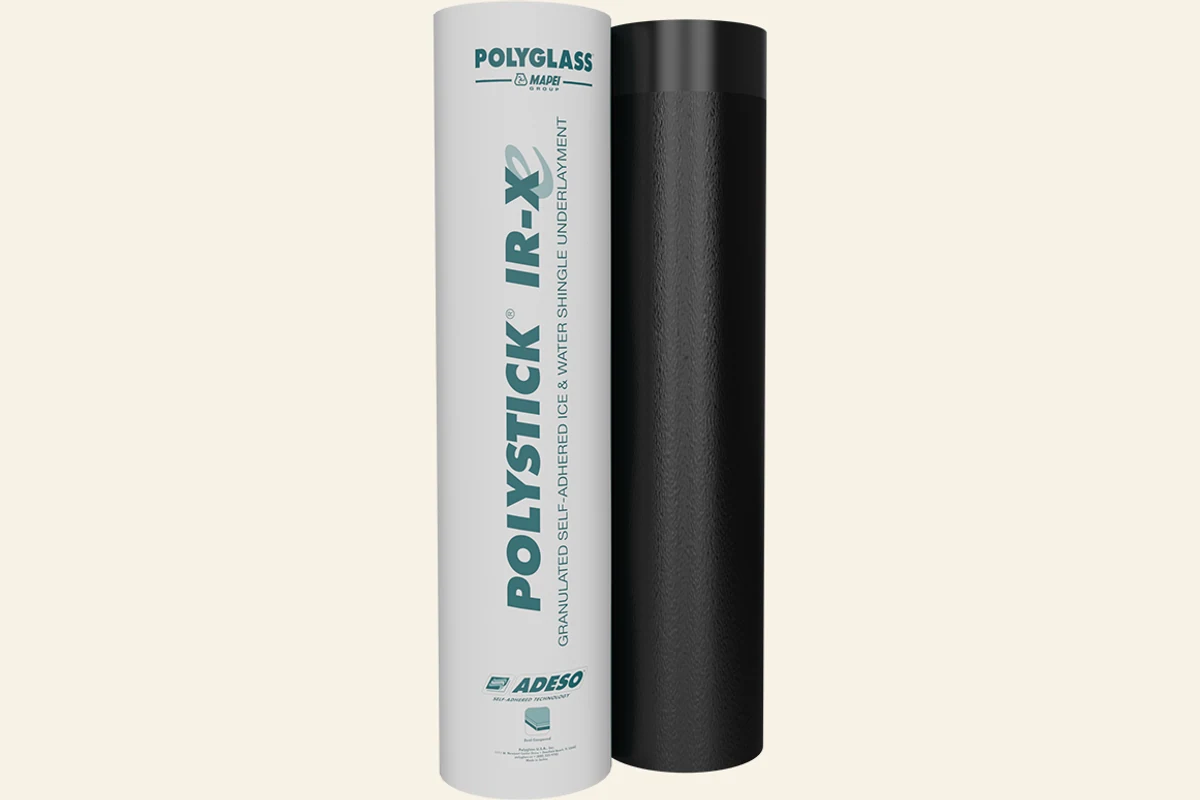
 PolyglassIce and water underlayment Multi-coveringPolystick IR-XeSelf-adhered modified-bitumen underlayment · Self-adheredImage © Polyglass.
 The water-management layer below the surface
Underlayments for Tile, Metal and Shingle Roofs
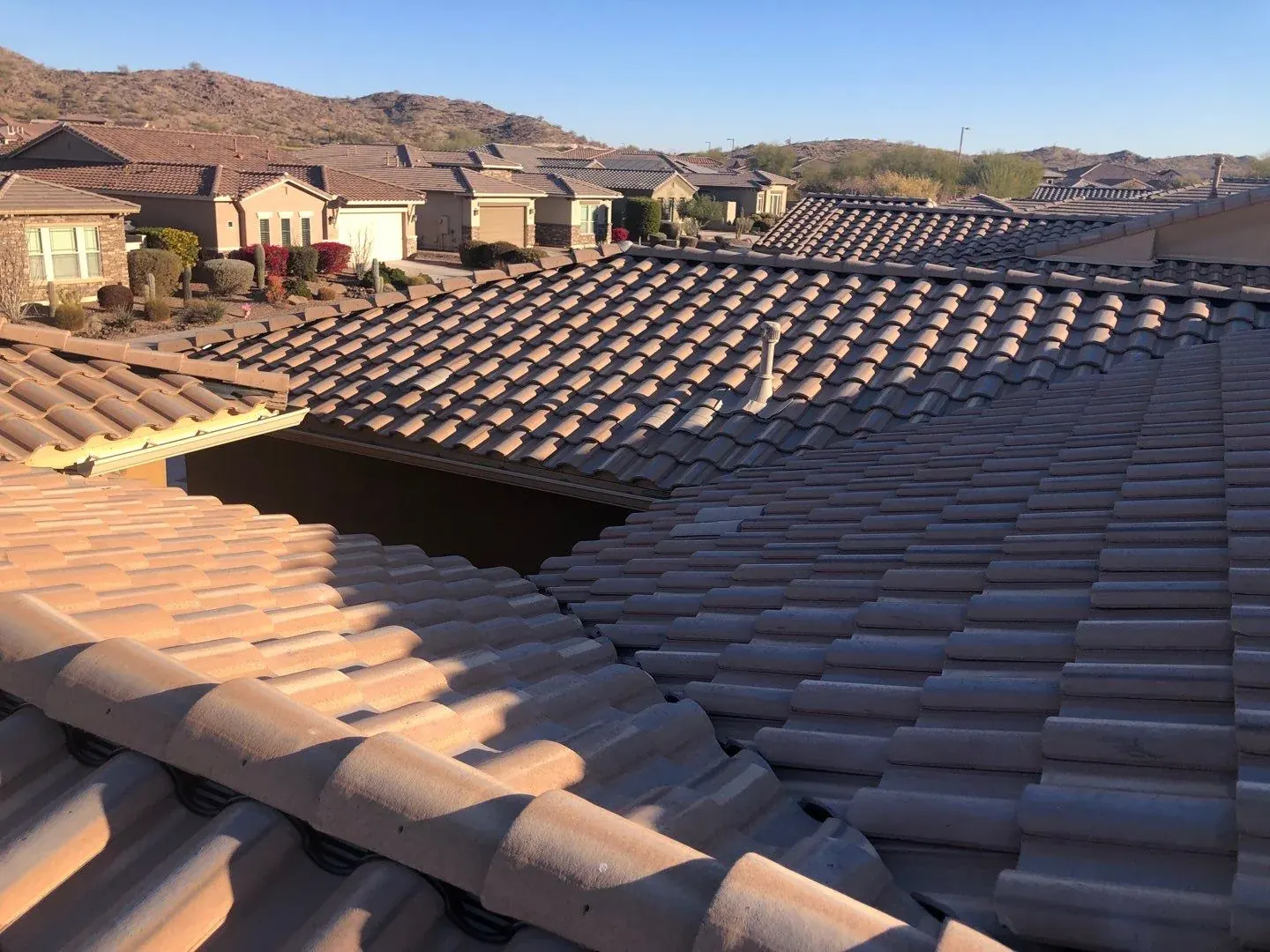
Underlayment should be selected for the roof covering, temperature, slope, attachment method, fire requirements and project exposure—not treated as one interchangeable roll.
- Serving Arizona since 1999
- Licensed · bonded · insured
Interactive roof-underlayment library
Match the underlayment to the covering and assembly.
Browse 14 exact self-adhered, modified and traditional felt products for tile, metal and shingle roofs. Similar names do not mean identical temperature, exposure, fastening or listing limits.
PolyglassIce and water underlayment Multi-coveringPolystick IR-XeSelf-adhered modified-bitumen underlayment · Self-adheredImage © Polyglass. 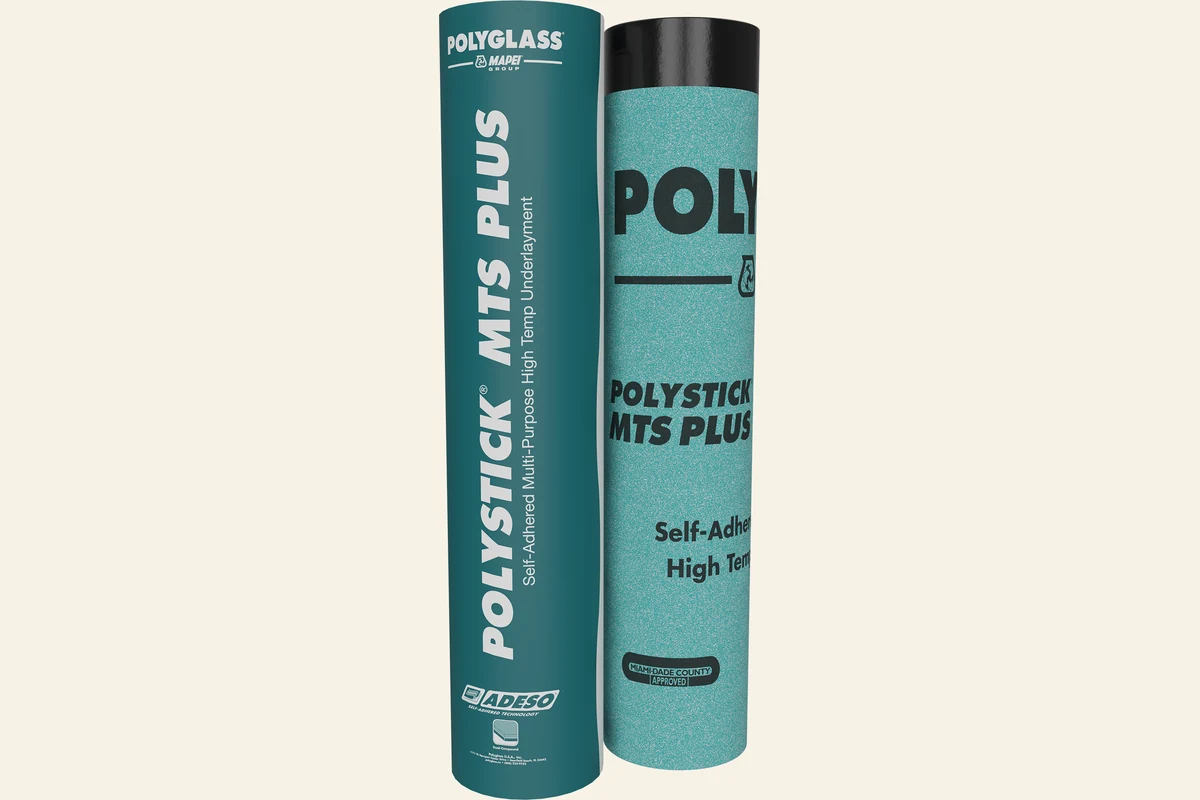 PolyglassHigh-temperature underlayment Metal / tilePolystick MTS PlusSelf-adhered high-temperature underlayment · Self-adheredImage © Polyglass.
 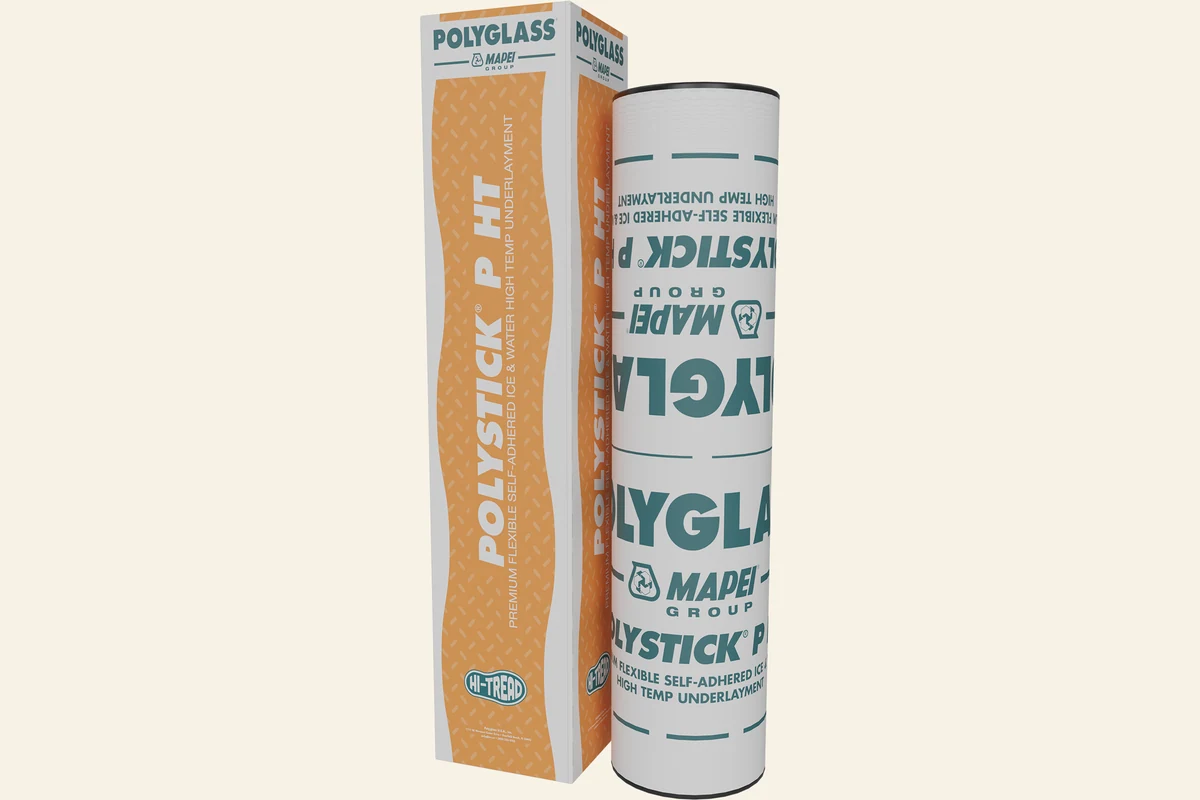 PolyglassHigh-temperature underlayment MetalPolystick P HTSelf-adhered waterproofing underlayment · Self-adheredImage © Polyglass.
 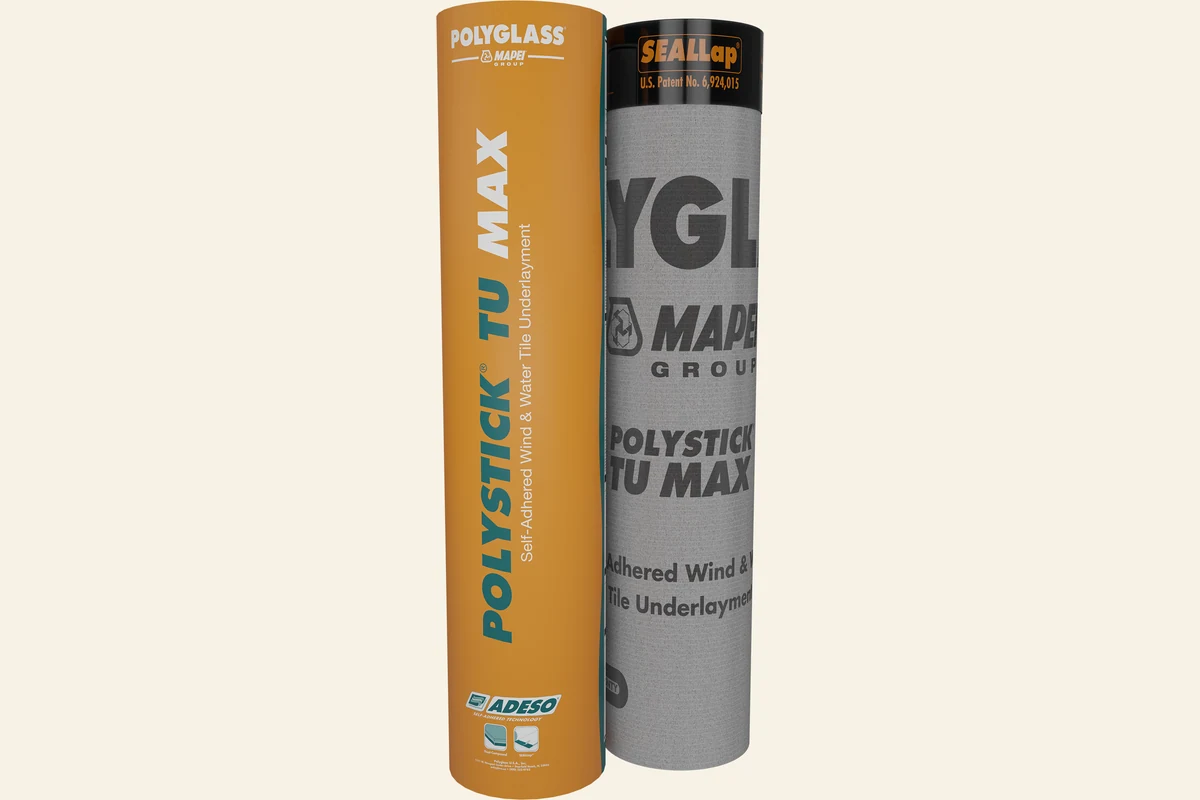 PolyglassTile underlayment TilePolystick TU MAXSelf-adhered waterproofing underlayment · Self-adheredImage © Polyglass.
 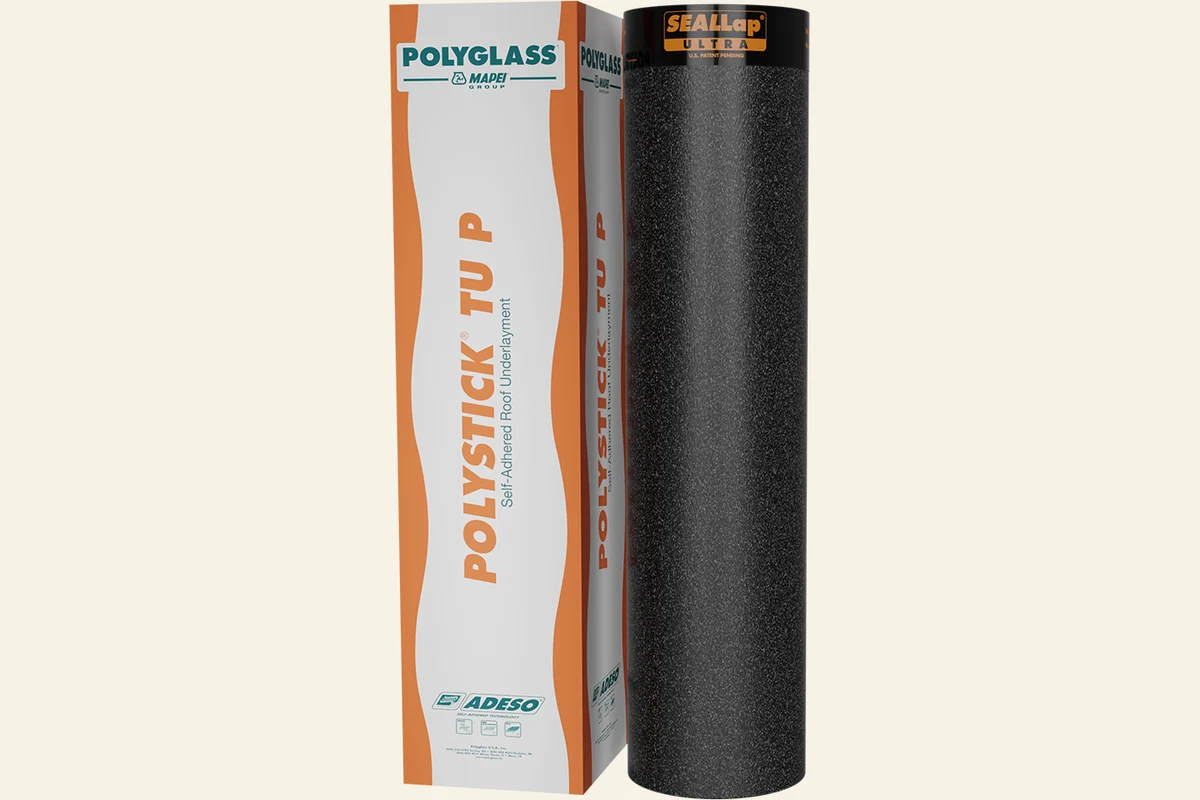 PolyglassTile underlayment TilePolystick TU PSelf-adhered waterproofing underlayment · Self-adheredImage © Polyglass.
 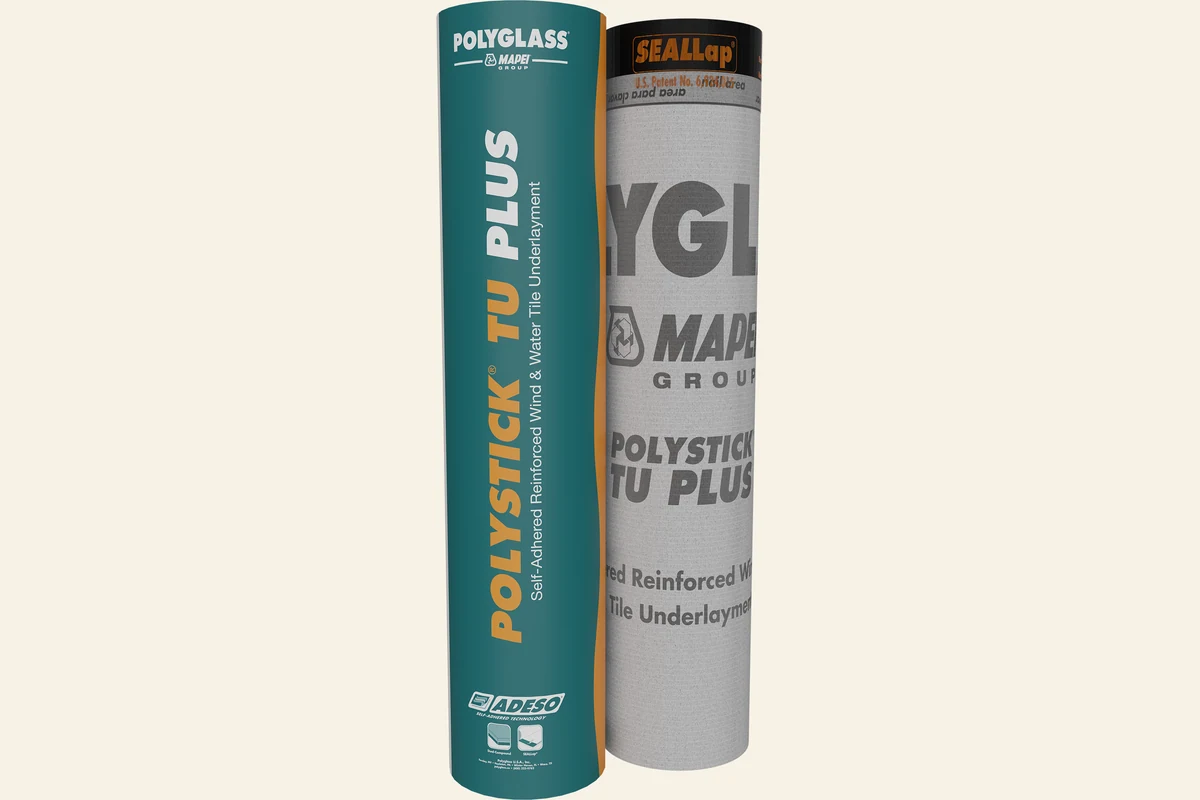 PolyglassTile underlayment TilePolystick TU PlusSelf-adhered waterproofing underlayment · Self-adheredImage © Polyglass.
 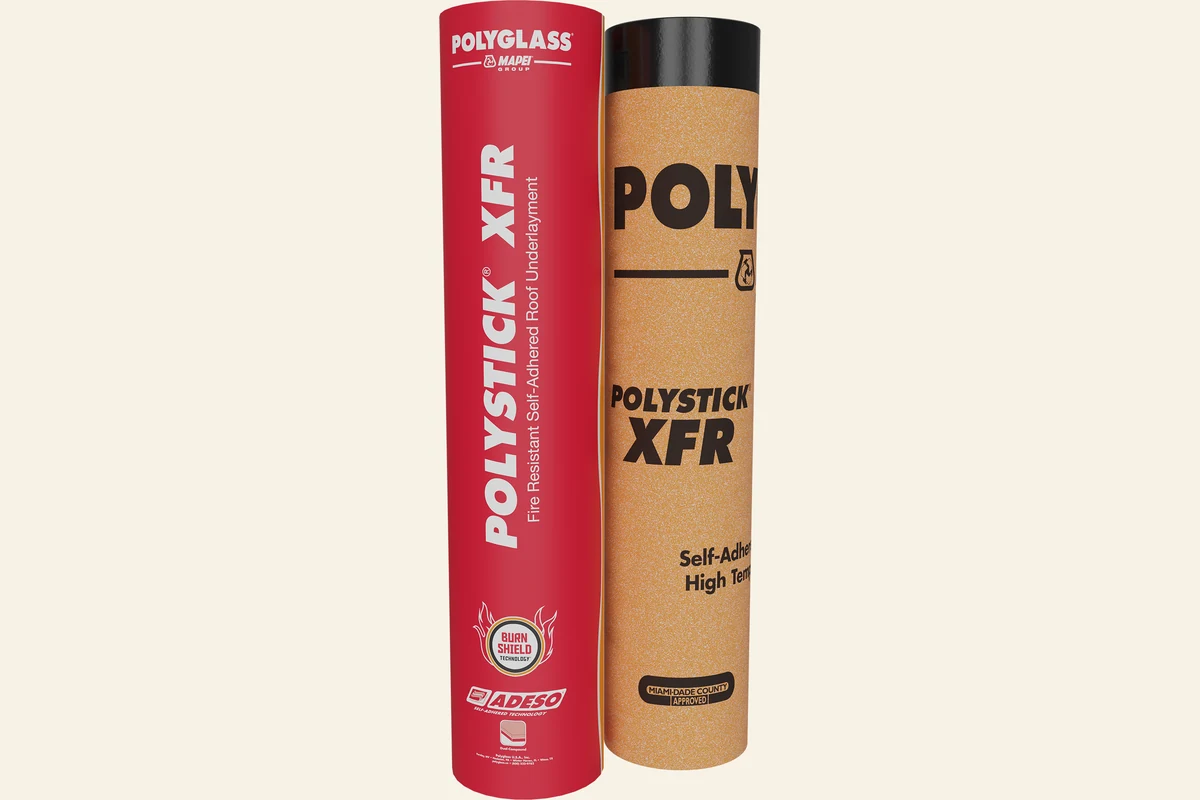 PolyglassFire-resistant underlayment Listed assembliesPolystick XFRSelf-adhered fire-resistant underlayment · Self-adheredImage © Polyglass.
 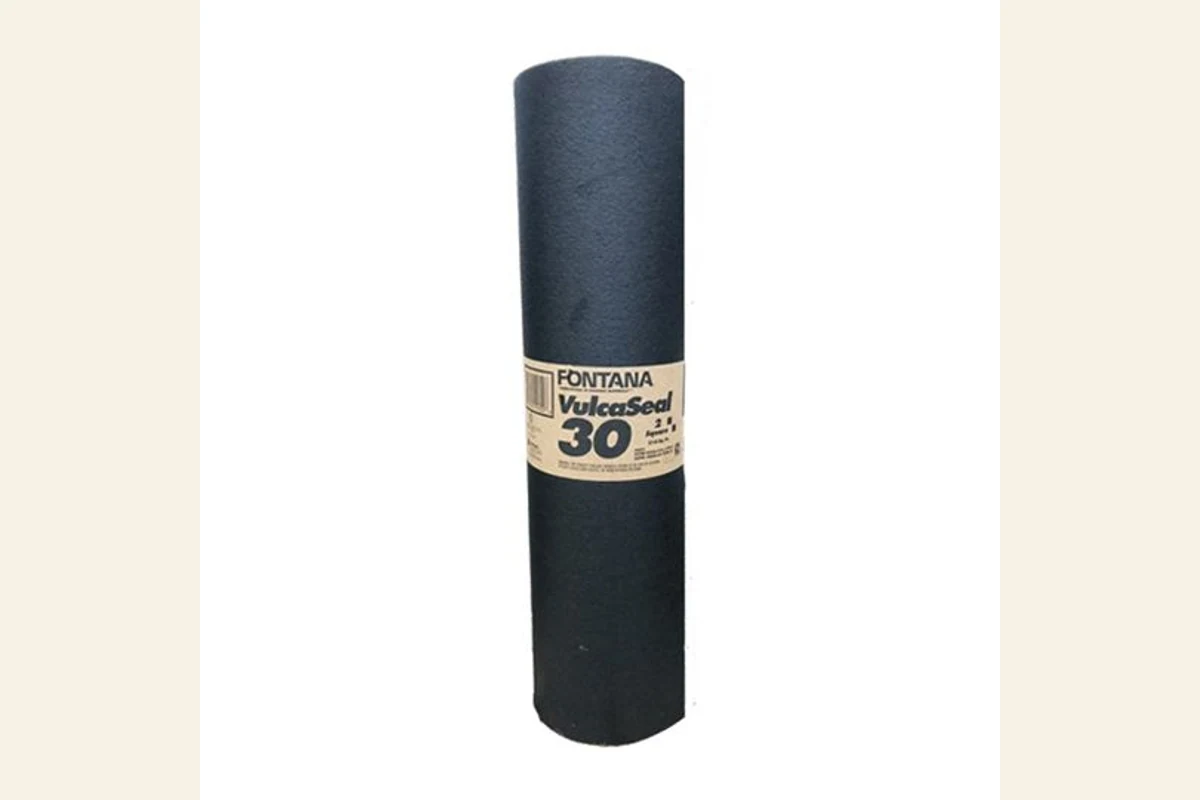 Fontana Paper MillsAsphalt-saturated felt Traditional feltASTM 30# – 2 SQ.Traditional asphalt-saturated felt · Mechanically attachedImage © Fontana Paper Mills.
 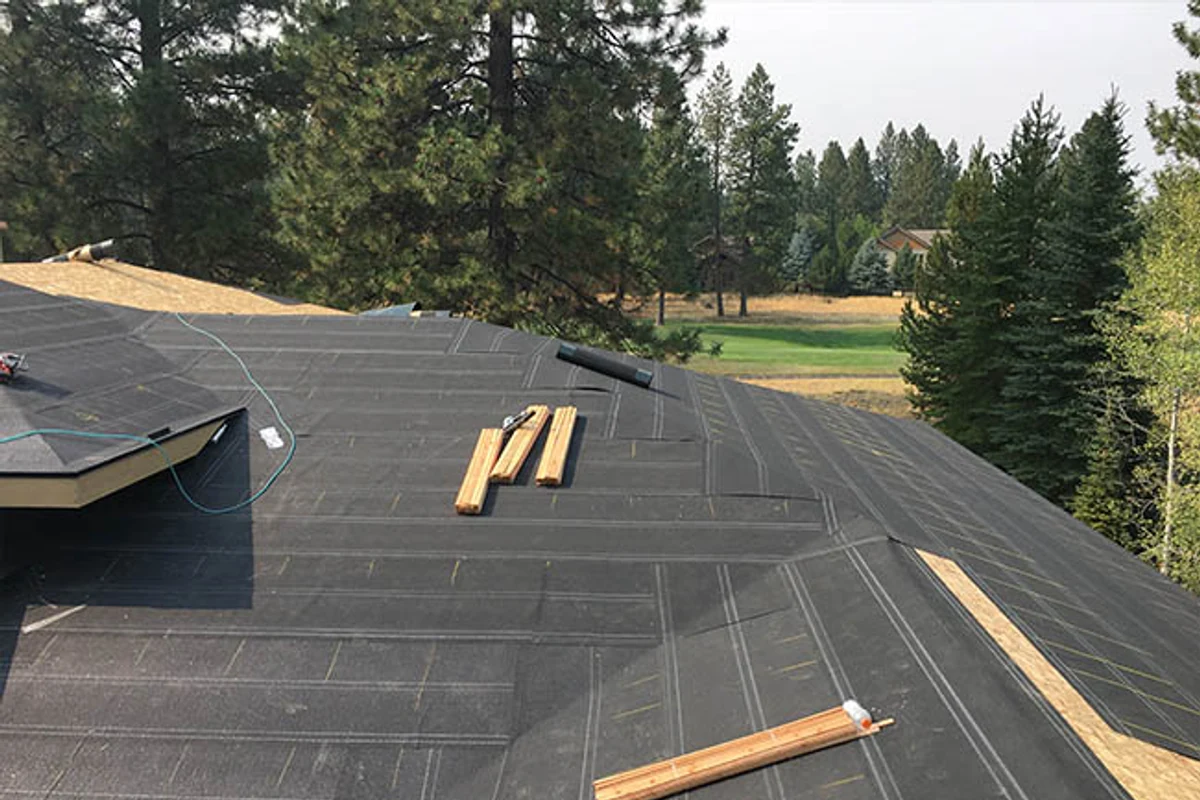 Fontana Paper MillsModified underlayment Tile / metalVulcaSeal M40SBS-modified asphalt underlayment · Mechanically attachedApplication image © Fontana Paper Mills.
 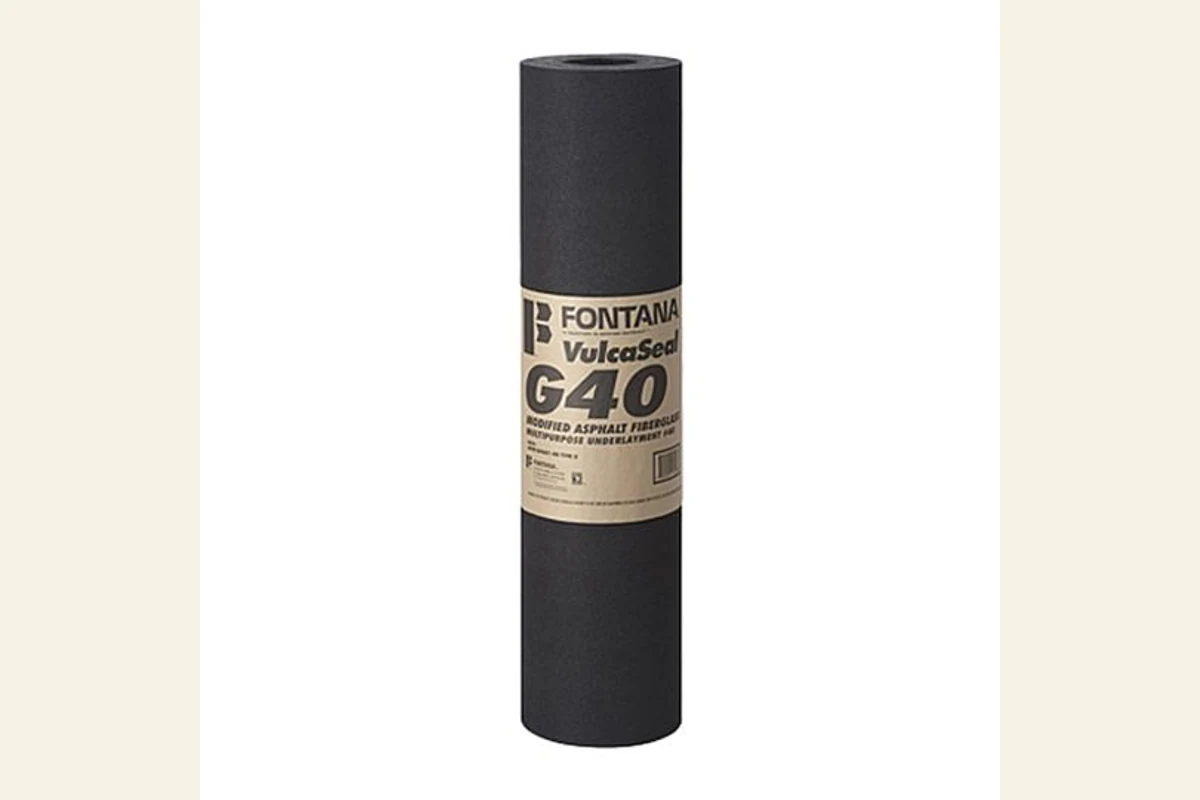 Fontana Paper MillsFire-rated modified underlayment Listed assembliesVulcaSeal G40 Fire-RatedFiberglass-based modified asphalt underlayment · Mechanically attachedImage © Fontana Paper Mills.
 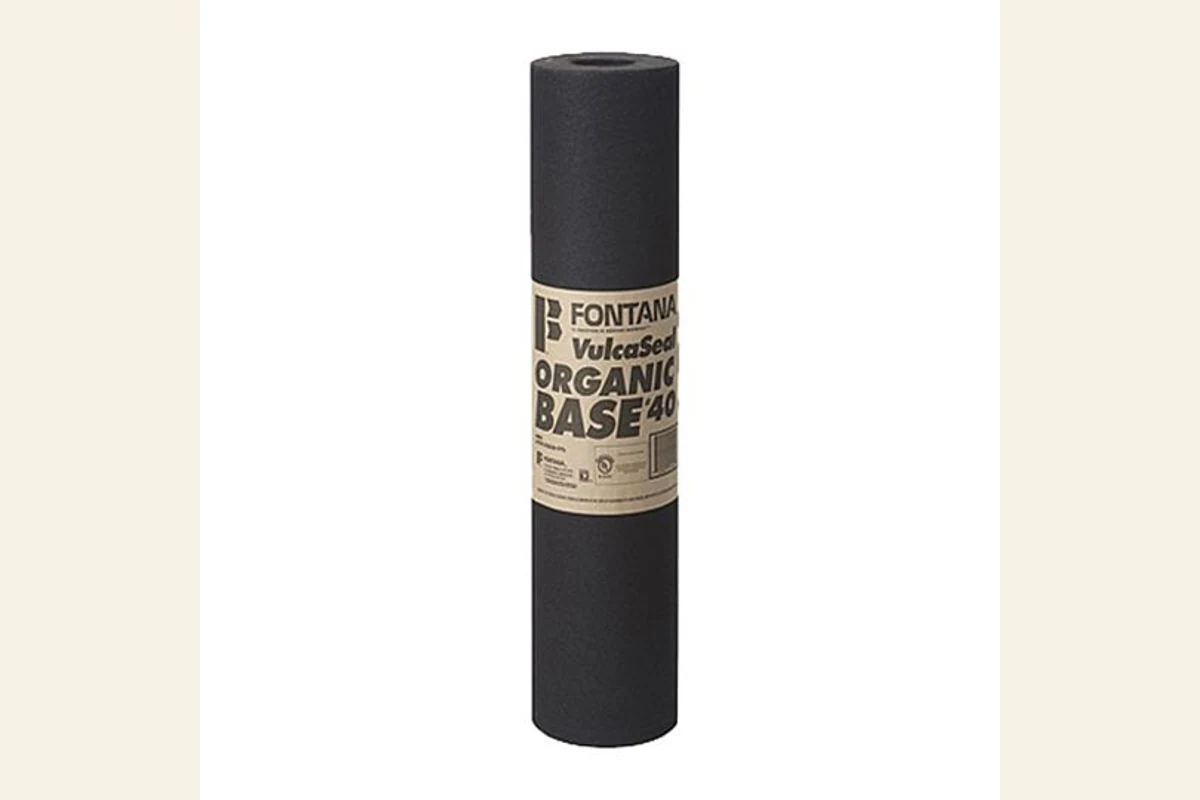 Fontana Paper MillsOrganic base sheet Tile / metalVulcaSeal Organic Base 40#Organic base-sheet underlayment · Mechanically attachedImage © Fontana Paper Mills.
  GMC Roofing & Building Paper ProductsAsphalt-saturated felt Traditional feltASTM D226 Type ITraditional asphalt-saturated organic felt · Mechanically attachedBrochure image © GMC Roofing & Building Paper Products.
  GMC Roofing & Building Paper ProductsAsphalt-saturated felt Traditional feltASTM D226 Type IITraditional asphalt-saturated organic felt · Mechanically attachedBrochure image © GMC Roofing & Building Paper Products.
  GMC Roofing & Building Paper ProductsAsphalt-saturated felt Traditional feltASTM D4869 Type IITraditional asphalt-saturated roofing felt · Mechanically attachedBrochure image © GMC Roofing & Building Paper Products.
 No underlayments match those filters.
Clear one filter or search a broader product, covering or performance role.
Polyglass contractor program
Polyglass Quantum Contractor
America Roofing holds Quantum Contractor status for Polyglass systems. Warranty eligibility depends on the specified system, inspection, registration and written manufacturer terms.Before choosing a product
How should underlayment be specified?
Begin with the roof covering and assembly requirements, then account for Arizona heat, valleys and penetrations, fastener sealing, substrate condition and any tested fire or wind configuration.
Roof covering
Tile, metal and shingles expose the underlayment to different temperatures, fastening methods and service conditions.
Self-adhered or mechanically attached
Attachment changes laps, substrate preparation, fastener sealing and how the material handles during installation.
Heat and exposure
Metal and Arizona sun can create demanding temperatures. Product limits and allowable construction exposure should be checked.
Tested assembly requirements
Fire, wind and warranty claims can depend on the complete listed assembly rather than one roll of underlayment.
Continue planning
Move from products to the right roof scope.
Use the product families to narrow the conversation. The inspection and written estimate should connect the selected surface to the complete roof assembly.
Tile roofing service See why tile reuse and underlayment replacement are separate decisions. Metal roofing service Review high-temperature and panel-system considerations. Roof repair Start with diagnosis when a leak may involve underlayment or flashing. Request an estimate Ask for the proposed underlayment by exact manufacturer and product name.
Roof underlayments questions
What to know before making the final selection.
Online product information is useful for narrowing the direction. Current samples, specifications and the roof-specific scope control the final choice.
Is synthetic underlayment always better than felt?
No single category wins every application. Roof covering, temperature, fastening, exposure, tested assembly requirements and project budget determine the appropriate product.
Why does tile underlayment matter if the concrete tile sheds water?
Tile sheds most rainfall but does not make the roof assembly waterproof by itself. Wind-driven rain, cracked tile, valleys and penetrations make the underlayment and flashing system critical.
Does metal roofing need high-temperature underlayment?
Many metal assemblies call for underlayment designed for elevated temperatures, but the exact requirement depends on the panel, slope, substrate and tested system.
Should the estimate name the underlayment product?
Yes. The written scope should identify the manufacturer and exact product rather than using only a vague phrase such as upgraded underlayment.
Talk with a roofer
Get a clear answer about your roof.
Tell us what you are seeing. We will inspect the roof, explain the options, and give you a practical next step—without the canned sales pitch.