
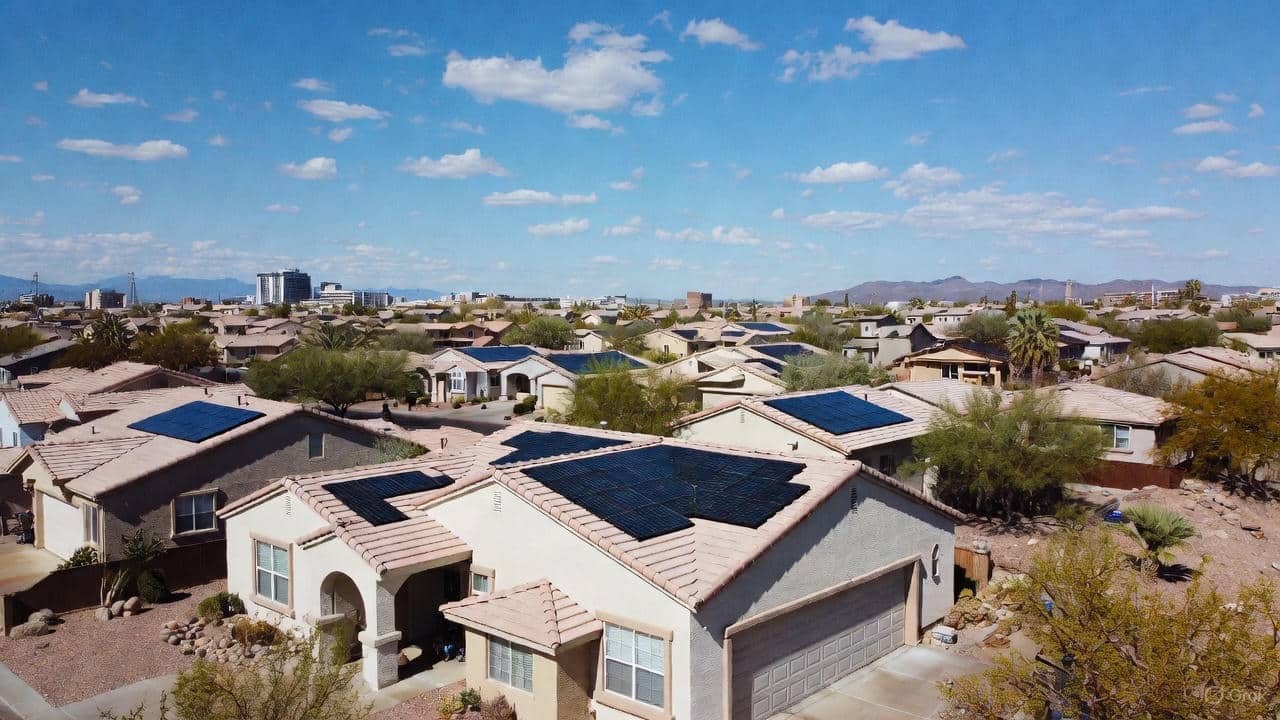
Thinking about a new roof and solar at the same time? That makes sense—especially in Phoenix, where the sun doesn’t just shine; it works overtime. Pairing a roof replacement with solar panels is a smart way to protect your home, trim energy bills, and set up clean power that actually lasts. You know what? Done right, it feels seamless. Done wrong, it can be costly to redo. Let me explain how to make the smart move.
Why combine roof replacement and solar in Phoenix?
Our desert climate is tough on shingles. UV exposure, big temperature swings, and the occasional monsoon gusts can age a roof faster than you’d expect. If your roof is near the end of its life, installing solar first is like putting new tires on a car with a worn-out axle—possible, but not wise. When you do both together, you get a roof built for the next 25 to 30 years and a solar system designed to match that timeline. That means fewer penetrations overall, cleaner wiring routes, and one coordinated warranty path. It’s also easier to plan structural upgrades for wind uplift and racking loads when the roofer and solar team are aligned from day one.
Roof replacement with solar panels in Phoenix
isn’t just a project—it’s a system. The parts depend on each other, and your savings depend on the parts.
How to tell your roof should be replaced before solar
- Granule loss or curling Shingles look bare or edges lift. In extreme heat, this accelerates.
- Soft spots or sagging Decking may be compromised; solar racking needs solid, dry substrate.
- Multiple repairs If you’ve patched leaks more than once, it’s usually cheaper to reroof now.
- Age window Asphalt roofs in Phoenix often last 15–22 years; if you’re close, replace first.
- Underlayment issues Dried, brittle, or torn felt/synthetic means moisture risk under panels.
Here’s the thing: solar arrays are designed to run for decades. You don’t want to pay to remove and reinstall panels just to reroof five years later. A fresh, code-checked roof gives the panels a sturdy, predictable home.
Roofing materials that play nicely with solar
Most popular roof types work with solar, but some shine (pun intended). Below is a simple, responsive comparison. On a phone, it stacks; on a desktop, it’s a clean three-column view.
| Roof Type | Solar Readiness | Notes for Phoenix |
|---|---|---|
| Architectural asphalt shingles | Excellent | Cost-effective, easy flashing, choose heat-rated shingles and cool-roof colors. |
| Concrete/clay tile | Very good | Requires tile hooks/flashings; consider replacing old underlayment before solar. |
| Standing-seam metal | Outstanding | Clamp-on racking means fewer penetrations; reflective finishes help with heat. |
Not every product is equal. Impact-resistant shingles, cool-roof granules, and high-temp underlayments can make a
solar roof installation
cooler, tougher, and quieter. Honestly, this is where local experience matters.
A step-by-step plan that keeps your project smooth
1. Site visit and roof assessment
We document roof age, deck condition, truss spacing, pitch, penetrations (vents, chimneys), and shading. Photos and measurements support accurate racking layout and permit drawings.
2. Design and coordination
The roofer and solar designer agree on the panel layout, attachment points, wire paths, and service equipment locations. That agreement reduces field changes and protects the roof warranty.
Coordinated roof and solar design
is where headaches disappear.
3. Tear-off and deck prep
Old materials are removed; damaged sheathing gets replaced. We add high-temp synthetic underlayment and flash vulnerable edges. If tile, we refresh underlayment and batten details so the array can sit properly.
4. Roof installation with solar in mind
Roof is installed with marked attachment zones. Blocking or nailer boards are added where needed. Penetrations are planned—then flashed once, cleanly.
5. Racking, wiring, and panels
After the roof passes a quality check, the solar crew mounts rails, runs conduit, sets inverters (micro or string with optimizers), and lands the panels. Electrical tie-in and labeling follow local code.
6. Inspections and turn-on
Expect building and electrical inspections, then utility approval. Then, yes—sunshine becomes home power.
Permits, codes, and what Phoenix inspectors look for
Permits aren’t thrilling, but they protect you. Phoenix and nearby cities focus on structural loading, fire setbacks, electrical safety, and roof penetrations. Clear attachment specs, proper flashing, and correct conductor sizing are non-negotiable. In short:
code-compliant solar roof replacement
saves time and avoids rework. Setbacks on roof edges and ridges help firefighters move safely. Conduit paths should be tidy and labeled. If your home needs a main panel upgrade, plan it alongside the roofing so you’re not opening walls twice.
Money questions: costs, credits, and timing
Combining projects often reduces labor and mobilization costs. You also avoid a future solar removal/reinstall bill. Many homeowners use the 30% federal clean energy tax credit on the solar portion, and sometimes eligible roof improvements that directly support the array. Talk to your tax professional about your situation, but the gist is simple: pairing projects can be financially smart. Financing? Some choose low-APR home improvement loans; others go cash for the roof and finance the solar. Either way, starting with a
roof-and-solar quote
that breaks out line items keeps everything clear.
Equipment choices that protect the roof
Solar equipment should respect the roof first. Microinverters (like Enphase) and DC optimizers can reduce roof-mounted heat concentration and improve performance on complex roofs. Rail systems from brands with proven flashings and stainless hardware matter in our climate. Look for:
- High-temp rated components Arizona attics and roof surfaces get hot; gear should be rated accordingly.
- Sealed, tested flashings Third-party lab testing and ICC-ES reports tell you the hardware won’t leak.
- Clean wire management UV-rated clips and protected conduit prevent rubbing and animal damage.
Battery storage pairs well with new roofs, too. If backup power is on your wish list, it’s easier to pre-plan wall space, conduit paths, and clearances now rather than later.
Desert-proofing: heat, dust, wind, and monsoons
Our summers can feel like you opened an oven door. Cool-roof shingles or tiles with reflective coatings reduce heat gain, helping HVAC. High-temp underlayment keeps its grip when the roof bakes. For wind, racking should meet local design pressures with the right number of attachments and edge distances. During monsoon season, watertight flashings and correctly set counterflashing are the difference between a calm night and a drip bucket. Dust? It’s a real thing. Solar panels will perform better with occasional rinsing—think gentle hose spray in the morning or evening. The roof doesn’t mind a little water, but it does mind standing water—so proper slope and scupper care still count.
“Can’t I just add solar now and reroof later?” Well…
Technically yes. Practically, it’s a hassle. Removing panels for a reroof means extra cost, scheduling around crews, and more penetrations. The contradiction is that waiting can feel cheaper today but more expensive tomorrow. If your roof has 10+ healthy years left, adding solar now can be reasonable. If not,
replace the roof before solar
and enjoy one clean project timeline.
Reroof options that pair beautifully with solar
For asphalt, we often recommend architectural shingles with heat-reflective granules and upgraded ridge ventilation. Underlayment? A high-temperature synthetic built for desert roofs. For tile, refreshing the underlayment and using tile-specific solar hooks keeps the look classic while the system hums along above it. Metal roofs with standing seams are fantastic for solar clamps—fewer penetrations and a sleek finish that looks great on modern homes. Want a practical tip? Choose lighter, sun-reflective colors where your HOA allows it. A cooler roof is friendlier to both your attic and your solar output.
What to ask your contractor (so you feel confident)
- How will you coordinate roofing and solar crews? One point of contact is gold during a combined project.
- What flashing and racking system do you use? Ask for product sheets and wind load details.
- How do you protect warranties? Roof and solar warranties should coexist, not conflict.
- What’s the inspection sequence? Clear steps make the permit process predictable.
- How do you handle attic access and cleanup? Little things matter when the workday ends.
Choosing a contractor who understands both trades reduces surprises. And surprises are fun at birthday parties, not on your roof.
Why America Roofing for a roof-plus-solar project
We’re Phoenix locals. We plan roofs for triple-digit summers, the dusty shoulder seasons, and those windy monsoon afternoons. Our teams coordinate attachment layouts, flashing details, and inspection timing with solar partners so your project flows. We specify materials that make sense here—high-temp underlayments, desert-tested shingles or tile systems, and neat penetrations that are flashed once, correctly. Most importantly, we treat your roof as the foundation for your solar—not the afterthought. That mindset keeps your home dry, efficient, and ready for a long, sunny run.
Ready to talk numbers and timing?
Let’s map out your
roof replacement with solar panels
—from the first shingle to the final inspection. We’ll check your roof, recommend the right materials, and coordinate a solar-ready layout you can feel good about. Have five minutes now?
or call
. We’ll answer your questions, keep the process clear, and help your roof and solar work together—like they were always meant to.