
01
Roof surfaces
Review accessible tile, shingles, coatings, membranes and transitions for damage, movement, wear and conditions that can shorten service life.
Scottsdale, Arizona · Roof inspection
Condition-focused roof inspections for Scottsdale properties, with findings organized around maintenance, repair and replacement decisions.
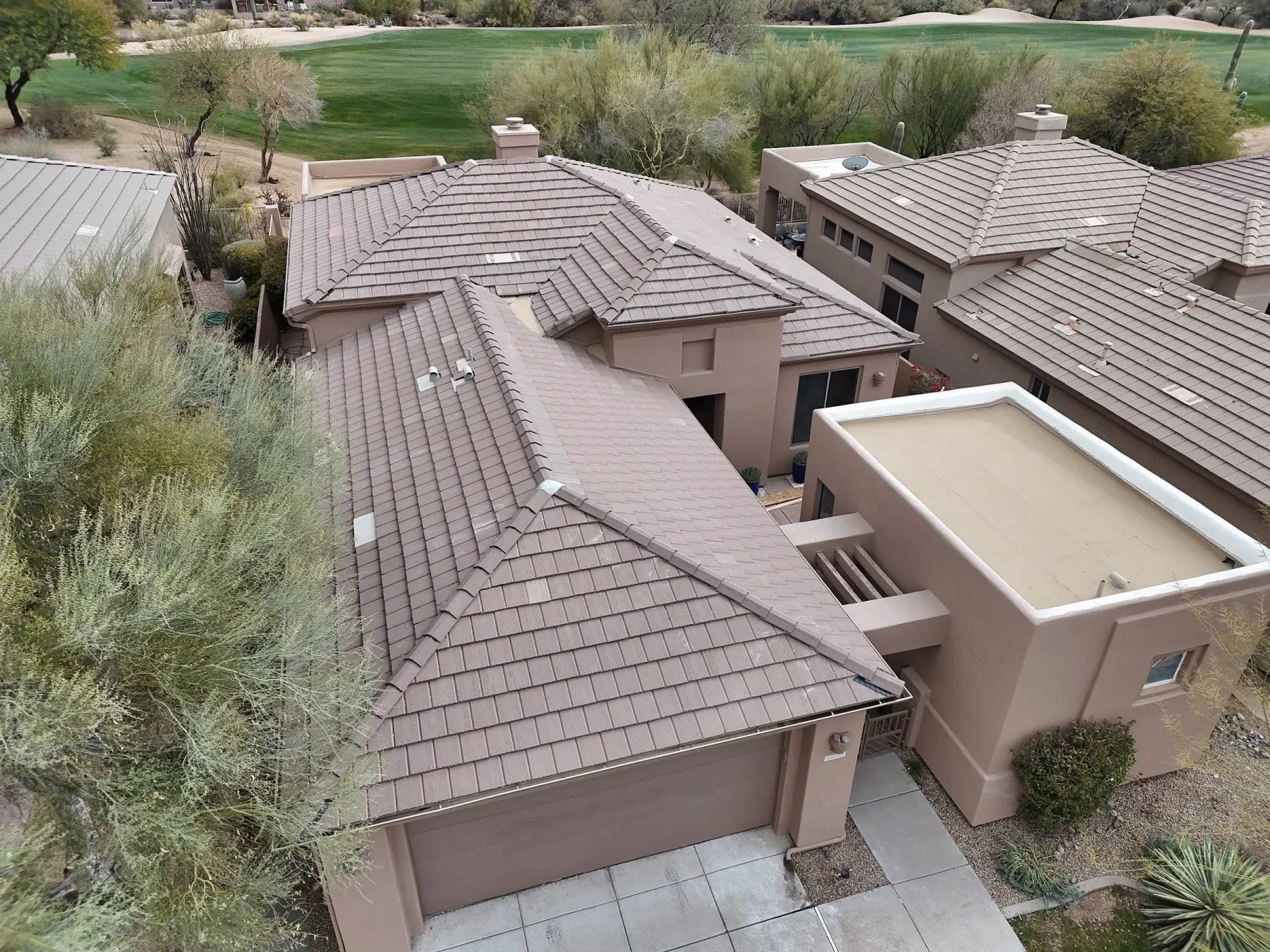
Useful findings. Clear next steps.
The exact access and roof type shape the inspection, but the core review should connect visible conditions with practical decisions.
Review accessible tile, shingles, coatings, membranes and transitions for damage, movement, wear and conditions that can shorten service life.
Check walls, curbs, vents, skylights, pipes and edge details where different materials meet and water control depends on correct integration.
Look at slopes, valleys, scuppers, drains and ponding evidence so water movement is considered across the entire roof rather than at one symptom.
When accessible and relevant, connect ceiling stains, moisture evidence or owner observations with plausible roof-side conditions without overstating certainty.
Scottsdale roofing context
A roof inspection should do more than produce a pass-or-fail opinion. It should document the accessible assembly, identify active and emerging concerns, and separate routine maintenance from repair or replacement planning.
A Scottsdale inspection should review transitions between pitched and low-slope areas, parapets, penetrations, drainage exits, valleys and prior repairs. Complex geometry deserves documentation that makes the likely water path understandable.
A Scottsdale inspection should map each roof section and transition instead of averaging condition across a complex home. Tile fields, flat areas, parapets and penetrations may age differently and deserve separate findings within one overall recommendation.
For a transaction or ownership plan, documentation should distinguish visible cosmetic wear, repairable defects and conditions that indicate broader water-control failure. That separation helps prevent a single dramatic photo from driving the entire decision.
Scottsdale properties often combine tile, flat or low-slope sections, parapets, patios, equipment areas and architectural transitions within one roof. Custom homes and remodeled properties can add junctions where several assemblies meet, making water paths less obvious than the stain that appears indoors.
Commercial, hospitality, multifamily and HOA-managed properties bring another layer of planning. Access, occupants, rooftop equipment, drainage and appearance requirements can determine whether work is completed as a focused repair, a phased restoration or a full replacement.
America Roofing serves Scottsdale through the Phoenix market. The city hub keeps the service options in one place while leaving the actual recommendation to property-specific evidence.
 Decision before scope
 Make the next decision defensible
Inspections are most useful when they answer a defined question instead of becoming a vague sales visit.
A clear project path
Each step should reduce uncertainty and make the next decision easier to understand.
Share known leaks, storm timing, transaction deadlines or planning goals so the inspection is focused on the decision you actually need to make.
Evaluate relevant roof surfaces, details, penetrations and drainage while noting access limitations and anything that cannot be confirmed visually.
Separate active defects, maintenance items, monitoring points and replacement indicators so the next action is clear.
Roof-system fit
Different systems fail differently. The inspection should follow the details that control water on that particular roof.
Look beyond broken tile to underlayment exposure, slipped units, flashings, valleys, battens and transitions where the water-control layer can be affected.
Review tabs, seal condition, fasteners, granule loss, flashings and localized damage without treating normal aging as an automatic replacement verdict.
Evaluate drainage, seams, coating or membrane condition, penetrations, parapets and signs of trapped moisture or recurring ponding.
Arizona project proof
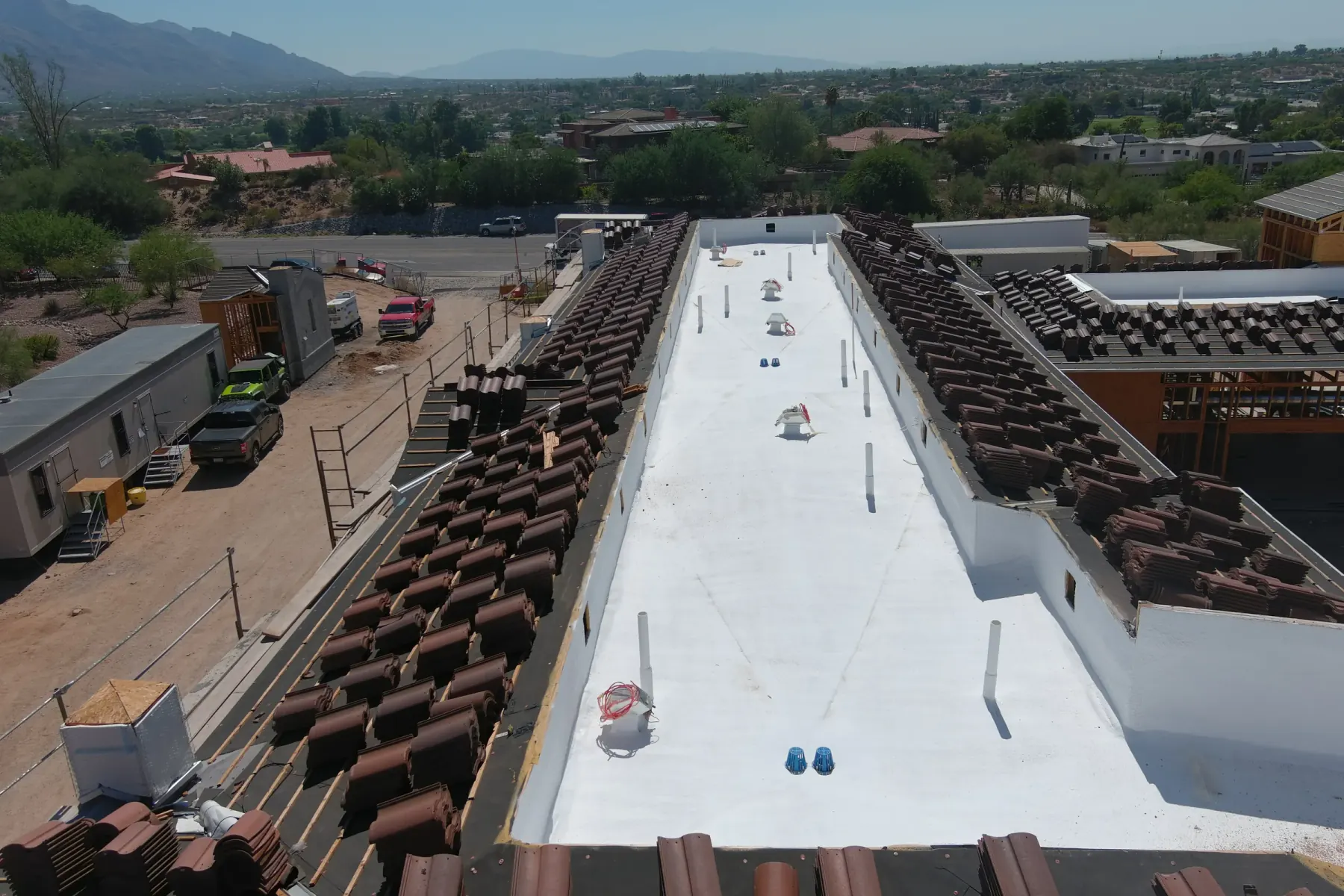
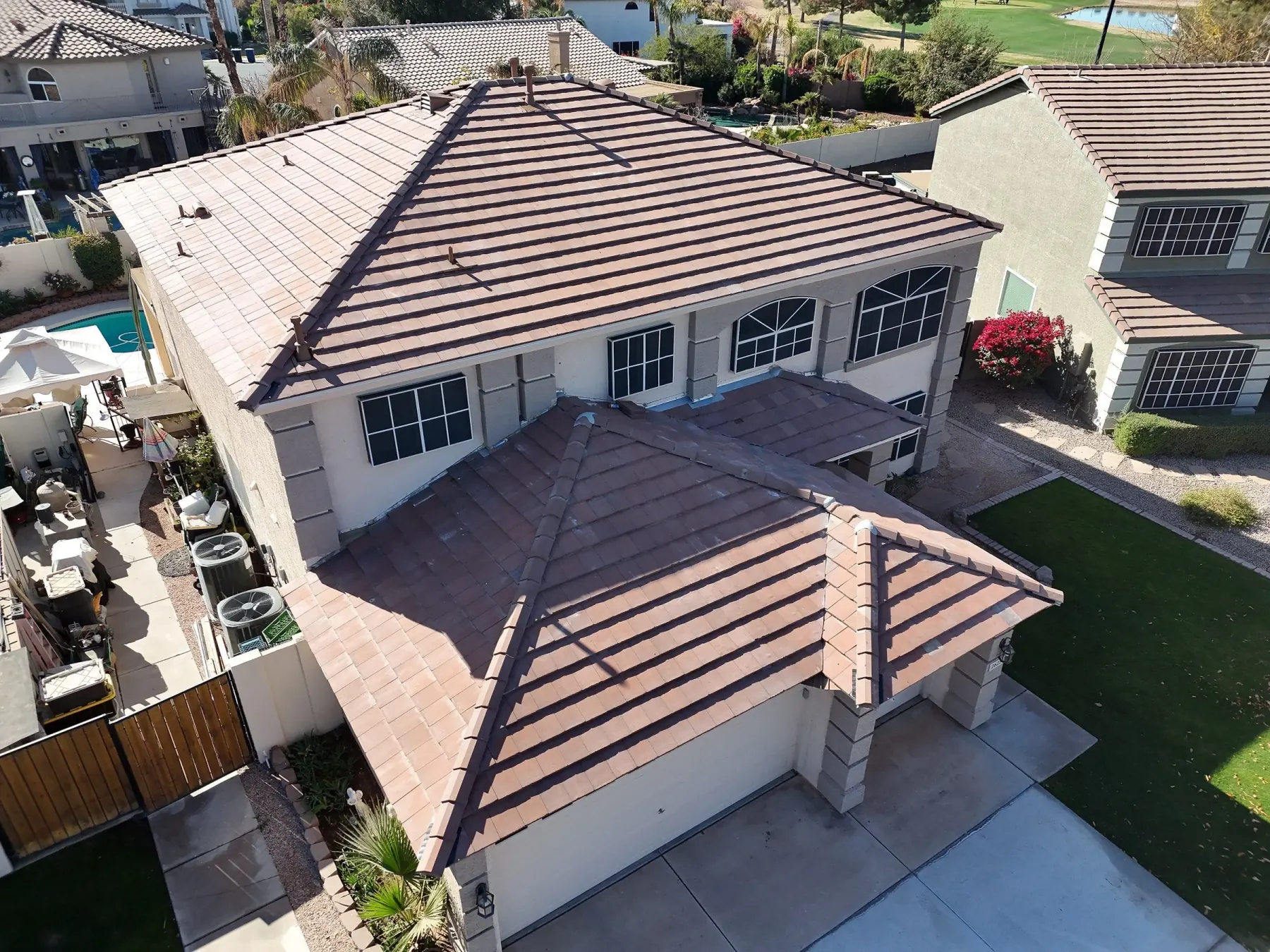
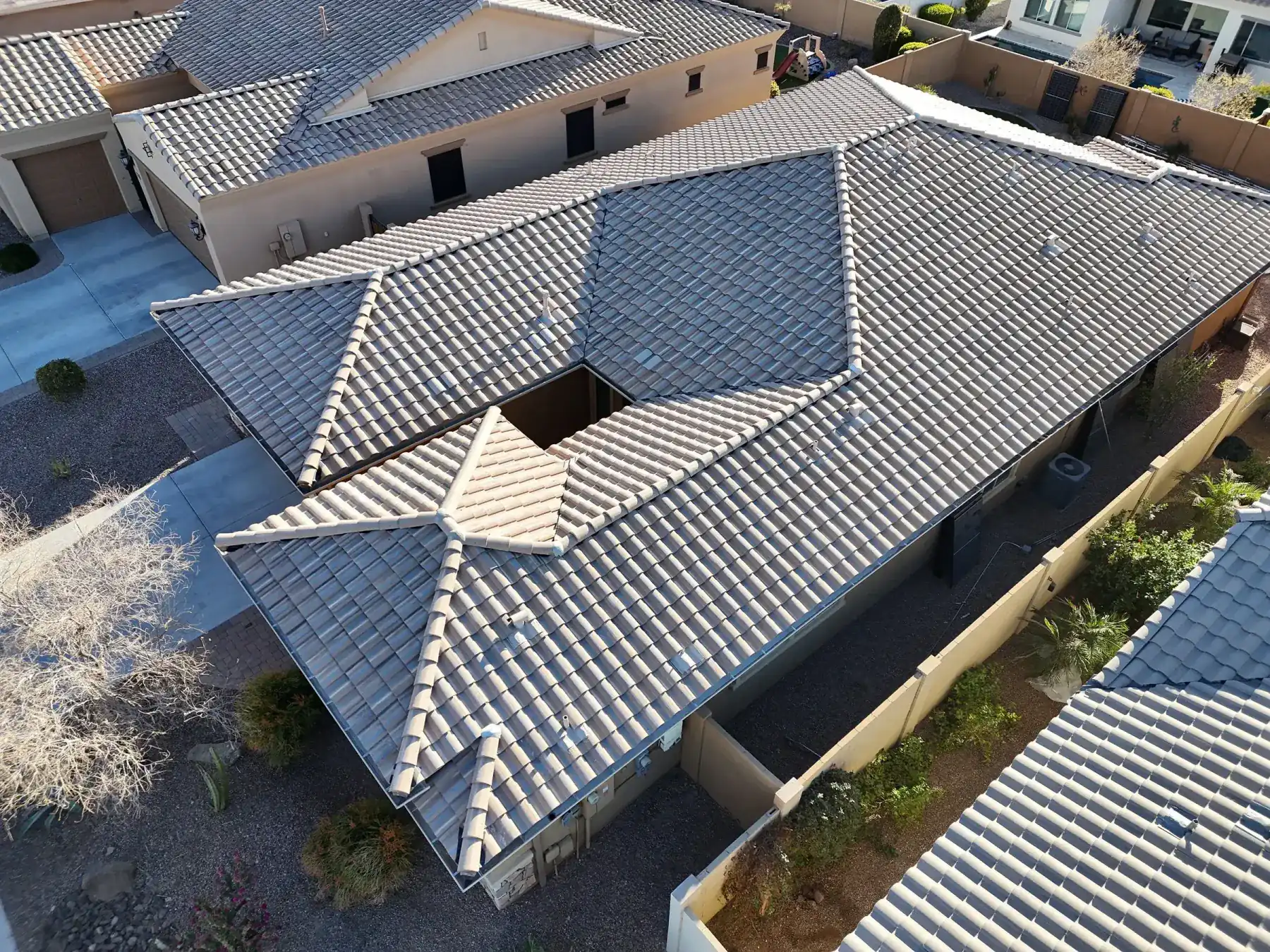
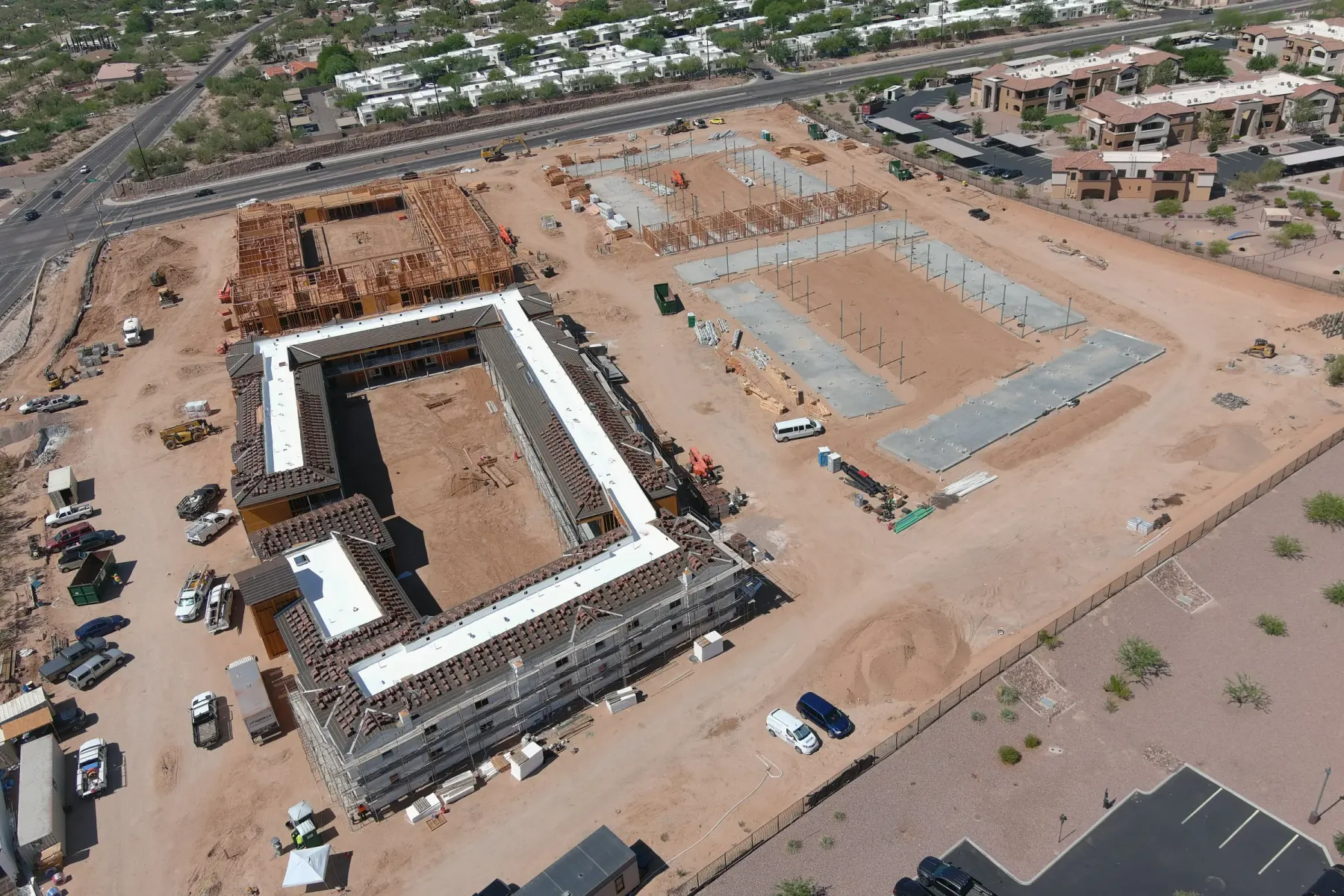
These photographs come from America Roofing’s Arizona project library. They demonstrate system experience without presenting every image as work from this specific city.
Scottsdale roof inspection questions
These answers define the decision. The property inspection defines the actual work.
The accessible review can include roof surfaces, flashings, penetrations, valleys, walls, drainage areas, prior repairs and relevant interior symptoms. Access limitations and items that cannot be confirmed visually should be stated clearly.
An inspection can be useful after new symptoms, visible displacement or a significant weather event. It helps separate active defects from normal aging and gives the owner a documented next step.
It can document indicators that support repair, monitoring or replacement planning. Some concealed deck or moisture conditions may not be confirmed until material is opened, so those limits should remain explicit.
Yes. Tile inspections focus heavily on underlayment exposure, displaced material and transitions; shingles involve tabs, fastening, flashings and wear; low-slope roofs require close attention to drainage, seams, coatings, walls and penetrations.
Call (602) 237-2478 or submit the standard quote form with the property address and reason for the inspection. Mention active leaks, transaction timing or replacement planning so the visit can answer the right question.
Talk with a roofer
Tell us what you are seeing. We will inspect the roof, explain the options, and give you a practical next step—without the canned sales pitch.