

That sinking feeling when you spot a water stain on your ceiling—yeah, it’s never a good sign. Is it just a quick patch job, or are you staring down the barrel of a full roof replacement? Let’s break down what you really need to know, so you can make a smart, confident call for your home and your wallet.
Why Your Roof Replacement Decision Matters More Than You Think
A roof replacement is a major investment that protects your home and family. While most roofs last 20–30 years, Arizona's intense heat and monsoon storms can shorten that lifespan considerably. Knowing when to act can save you thousands in the long run.
Key signs you might need a new roof include curling or missing shingles, granules collecting in your gutters, frequent leaks, or a roof simply over 20 years old. While a simple repair might fix localized damage, widespread wear or structural issues usually mean it's time for a full replacement. A new roof isn't just about stopping leaks; it's about peace of mind, increasing your home's value, and even lowering your energy bills.
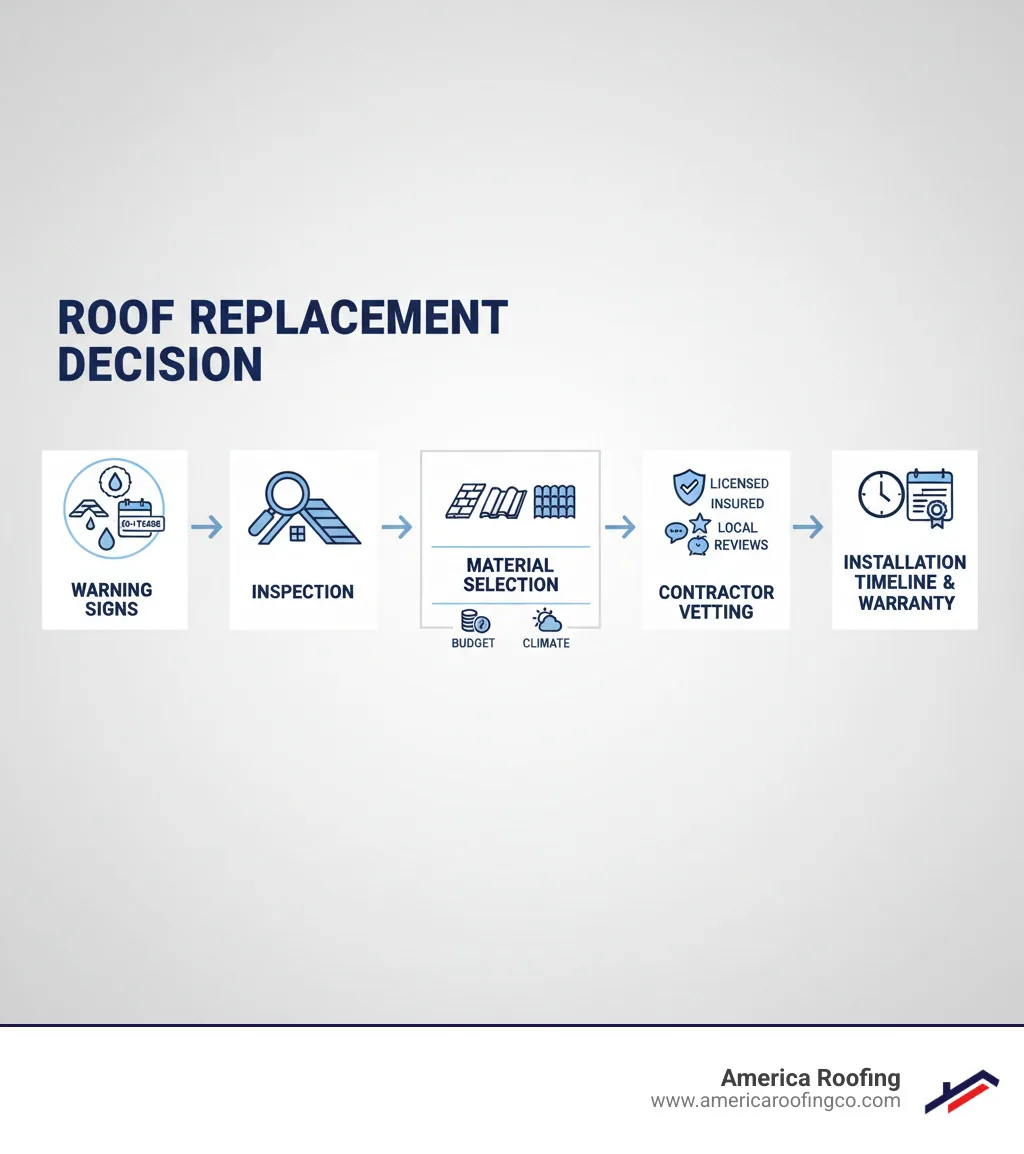
Roof replacement basics:
Is It Time for a New Roof? Key Signs to Watch For
Your roof is trying to tell you something—and it pays to listen before a small problem becomes a major headache. Arizona roofs live a tough life, with surface temperatures hitting 160°F and monsoon storms dumping inches of rain. This extreme weather means our roofs often age faster than in milder climates.
Here are the key warning signs:
- Curling, Buckling, or Missing Shingles: On an asphalt roof, this is a clear sign the material is failing and water can get underneath.
- Cracked or Broken Tiles: Our extreme temperature swings cause expansion and contraction that can crack even durable concrete and clay tiles. Look for pieces on the ground after a storm.
- Granule Loss: If you see excessive sand-like granules in your gutters, the protective layer of your asphalt shingles is washing away, leaving them vulnerable to UV degradation.
- Sagging Roof Deck: If you notice any dips or drooping areas, call a professional immediately. This indicates a structural problem, likely from prolonged moisture exposure that has rotted the decking.
- Water Stains and Leaks: A stain on your ceiling means a leak has been active for a while. Also, take a flashlight to your attic; if you see daylight, water stains, or wet insulation, you have a problem.
- Roof Age: An asphalt shingle roof in Arizona typically lasts 15-25 years. If your roof is approaching or past its expected lifespan, it’s time to plan for a roof replacement, even if it looks okay from the ground.
Repair vs. Full Replacement
So, can you get away with a patch job? If you have localized damage—like a few shingles blown off in a storm or a cracked tile from a fallen branch—a repair is often a cost-effective solution. Minor leaks around flashing or a pipe boot can also be repaired.
However, repairs become a losing game when you have widespread wear and tear. If you see curling shingles across multiple slopes or numerous cracked tiles, you're just putting a bandaid on a failing system. Structural issues like a sagging deck absolutely require a full replacement. There's no patching widespread rot.
Think about the long-term value. Spending thousands on repairs over a few years for an old roof that still needs replacing is throwing good money after bad. A full roof replacement provides 20-50+ years of protection, increases your home's value, and comes with comprehensive warranties—something a simple patch can't offer.
The Role of Homeowners Insurance
Your homeowners insurance will generally cover roof damage from sudden, accidental events like storm damage from wind, hail, or a fallen tree. If something unexpected damages your roof, your policy should help with the cost.
The big catch? Insurance does not cover wear and tear or lack of maintenance. If your roof is leaking simply because it's 28 years old, that's considered your responsibility. Insurers may also deny claims for pre-existing damage or only pay the depreciated value (actual cash value) for older roofs, leaving you to cover the rest.
If a storm damages your roof, document everything with photos and report it to your insurer immediately. If your claim is denied, you can appeal, often with the help of a detailed inspection report from a professional contractor. For more details, you can research what you need to know about roofs and insurance.
Choosing the Right Roofing Material for Your Home
Alright, you need a roof replacement. Now for the important part: choosing a material that can handle our brutal Arizona climate. We're talking about relentless sun, powerful monsoon winds, and UV exposure that destroys lesser materials. When we consult with homeowners across the Valley—from Phoenix to Queen Creek—we focus on durability, aesthetics, and climate suitability.
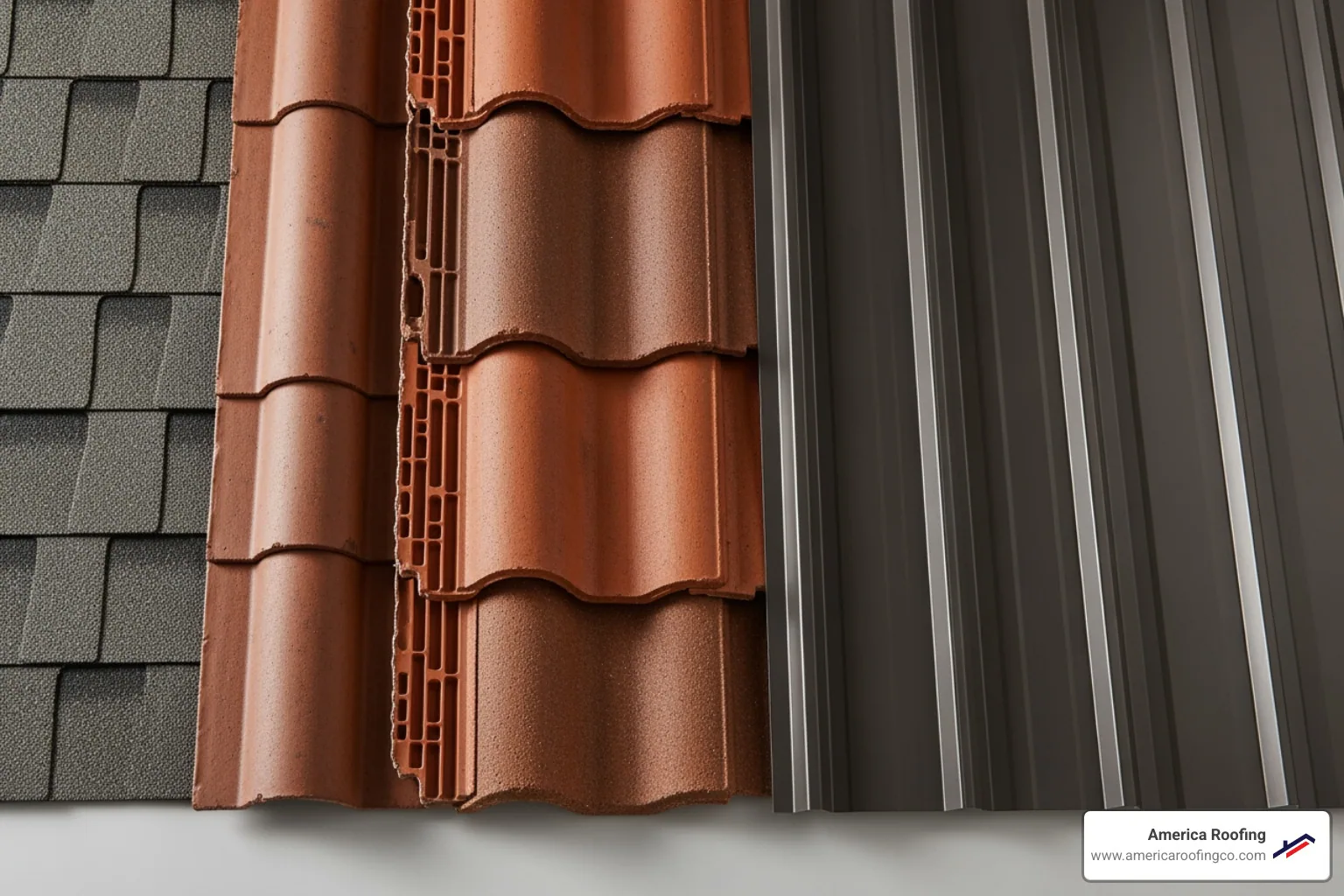
Asphalt Shingles: The Popular Choice
Asphalt shingles are the most common roofing material due to their affordability and versatility. However, not all shingles are created equal, especially for our climate.
- 3-tab shingles are the basic, single-layer option. They're budget-friendly but have a shorter lifespan in Arizona, typically 15-20 years.
- Architectural shingles are thicker, multi-layered, and more durable. They offer a more textured look, better wind resistance, and last closer to 20-30 years here. They're a smart upgrade for the Arizona sun.
| Feature | 3-Tab Shingles | Architectural Shingles |
|---|---|---|
| Cost | Lower upfront cost, more budget-friendly | Higher upfront cost, but better long-term value |
| Durability | Good, but thinner and less resistant to impact | Excellent, thicker, more resistant to wind and impact |
| Lifespan | 15-20 years (in Arizona) | 20-30 years (in Arizona) |
| Appearance | Flat, uniform appearance, less dimensional | Textured, dimensional, often mimics natural materials |
| Warranty | Shorter, basic warranties | Longer, more comprehensive warranties |
Given the abuse our roofs take, we often recommend architectural shingles for their superior durability and lifespan. The extra upfront cost pays off in longevity and peace of mind.
Tile, Metal, and Other Durable Options
If you're looking for a long-term investment, tile and metal are the heavy hitters.
Clay and concrete tile roofs are an Arizona icon for a reason: they can last 40-100+ years. They offer excellent insulation against our summer heat and are highly resistant to fire and rot. The upfront cost is higher, and they require a robust roof structure to support their weight, but their longevity is best. We specialize in all aspects of concrete tile roofing, from repair to full replacement.
Metal roofing is another fantastic choice, with a lifespan of 40-70 years. It's lightweight, fireproof, and stands up to high winds. Its biggest advantage in our climate is its ability to reflect solar radiation, which keeps your attic cooler and lowers your energy bills. The initial investment is higher than asphalt, but the combination of durability and energy savings makes it a very smart choice. You can find more on these options in our Roof Replacement Guide & Resources.
Energy-Efficient "Cool Roofs"
A standard dark roof can reach 150°F or more in the summer, radiating heat into your attic and making your AC work overtime. Cool roofs are designed to combat this. They use lighter colors or special reflective pigments to reflect more sunlight and absorb less heat.
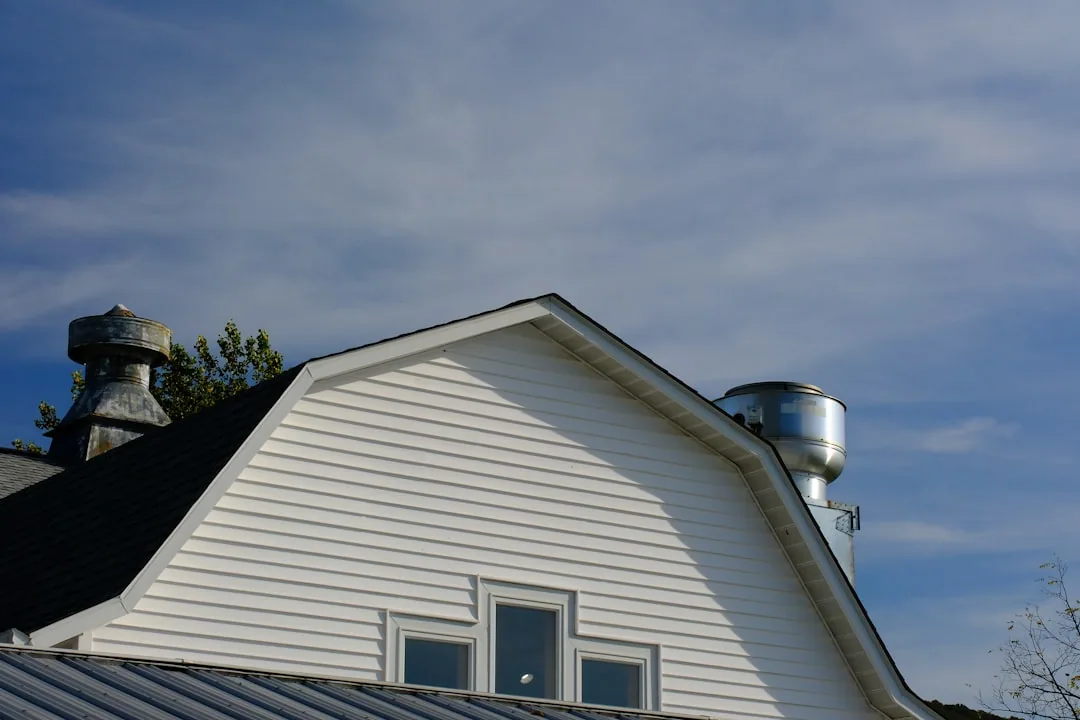
This can dramatically lower your attic temperature, leading to significant energy savings on your monthly bills. While cool roof materials may cost a bit more upfront, the investment pays for itself in comfort and lower cooling costs, especially in cities like Phoenix and Mesa. You can learn about cool roofs and check ratings via the Cool Roof Rating Council.
Budgeting for Your Project: Understanding Roof Replacement Costs
Let's talk money. A new roof is one of the biggest investments you'll make in your home, so you deserve a straight answer on what to expect. The cost of a roof replacement isn't a single number; it depends on several key factors.
Your final price is influenced by your roof's size, pitch (steepness), and complexity (the number of valleys, skylights, and chimneys). A steeper, more complex roof requires more labor and specialized safety equipment, increasing the cost. Other factors include regional labor rates, permit fees required by your city, and debris disposal.
Key Factors Influencing Your Roof Replacement Cost
For a typical 2,000 sq. ft. home in Arizona, here’s a general breakdown:
- Asphalt Shingles: This is the most common option, typically running from $10,000 to $24,000. The price depends on whether you choose standard 3-tab shingles or more durable architectural shingles.
- Tile Roofs: A popular choice for their longevity, tile roofs are a larger investment, often ranging from $30,000 to $60,000.
- Metal Roofs: Known for durability and energy efficiency, metal roofs fall between $14,000 and $60,000, depending on the style and material.
Material costs usually account for about 55% of the total project, while labor makes up 25%-35%. This is not the place to cut corners—expert installation is critical for a long-lasting roof.
Another choice is a tear-off versus an overlay. A full tear-off (removing the old roof) costs more but allows us to inspect the underlying deck. An overlay (installing new shingles over old ones) is cheaper but can hide serious problems and may not be permitted by local building codes.
Potential Additional Costs
Sometimes, once we remove the old roofing, we uncover hidden issues that must be addressed. This isn't an upsell; it's about ensuring your new roof has a solid foundation.
- Decking Repair: The most common surprise is rotted or water-damaged plywood decking. Replacing these sections is crucial and can add several hundred to several thousand dollars to the cost.
- Underlayment and Flashing: We always include a new, high-quality underlayment and flashing around chimneys, vents, and valleys. Old, corroded flashing is a primary source of leaks and must be replaced.
- Gutter, Chimney, or Skylight Issues: A roof replacement is the perfect time to address any damage to your gutters or to repair or replace old skylights to ensure a watertight seal for years to come.
At America Roofing, we provide fully transparent 2025 pricing. We believe in clear communication, so you'll understand all potential costs upfront with no surprises.
The Complete Roof Replacement Process: From Tear-Off to Final Inspection
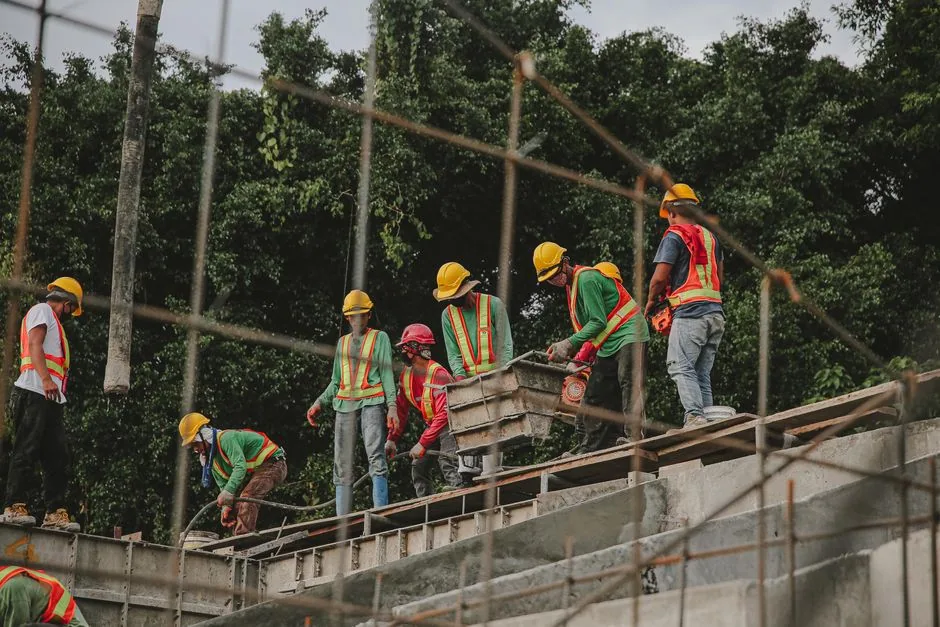
So, what actually happens when our crew arrives? A typical residential roof replacement takes one to three days, and you can usually stay in your home while we work. Before we start, we protect your landscaping and property, and we follow strict safety standards throughout the entire process.
Step 1: Tear-Off vs. Overlay (Reroofing)
The first decision is whether to tear off the old roof or lay a new one over it. We almost always recommend a Tear-Off (Full Replacement). This involves removing all old materials down to the bare roof deck. It allows us to inspect for and repair any hidden rot or damage, ensuring a solid foundation for your new roof. A tear-off also ensures the new materials lay flat, which looks better, lasts longer, and is often required for manufacturer warranties. Most Arizona building codes limit roofs to two layers, so a tear-off is mandatory if you already have them.
An Overlay (Reroofing) is faster and cheaper because it skips the tear-off. However, it's a risky shortcut. It adds significant weight to your home's structure and can trap moisture or hide existing damage that will only get worse. Given our climate, a full tear-off is the smarter, safer investment.
Step 2: Installation of the New Roof System
Once the deck is prepped, we build your new roof system layer by layer.
- Decking Repairs: We replace any rotted or damaged wood we found during the tear-off to create a smooth, strong surface.
- Ice and Water Shield: This self-adhering membrane is installed in valleys and around vents. It provides crucial waterproofing against wind-driven rain during monsoons.
- Underlayment: We roll out a synthetic underlayment over the entire roof deck. This acts as a secondary barrier against moisture.
- Drip Edge and Starter Shingles: Metal drip edge is installed to direct water into the gutters. Starter shingles are then placed along the eaves to provide a securely sealed edge that resists high winds.
- Field Shingles/Tiles: The main roofing material is installed according to precise manufacturer specifications to ensure a watertight and durable finish.
- Flashing and Vents: We install new flashing around all chimneys, skylights, and pipes. Old pipe boots are a common failure point and are always replaced. We also ensure proper attic ventilation to prevent heat buildup.
- Ridge Cap: Finally, we install specialized caps along the roof's peaks (ridges) to protect these vulnerable areas and provide a clean, finished look.
Step 3: Cleanup and Final Inspection
A job isn't done until your property is spotless. We conduct a thorough debris removal of all old materials and waste. Our crew then performs a magnetic nail sweep of your yard and driveway to pick up any stray metal.
Finally, we do a final walkthrough with you to ensure your complete satisfaction. We'll also review your workmanship and manufacturer warranties, so you know you're protected for decades. Your roof replacement is complete, and your home is ready to handle whatever Arizona throws at it.
Hiring the Right Team: Finding a Qualified Roofing Contractor
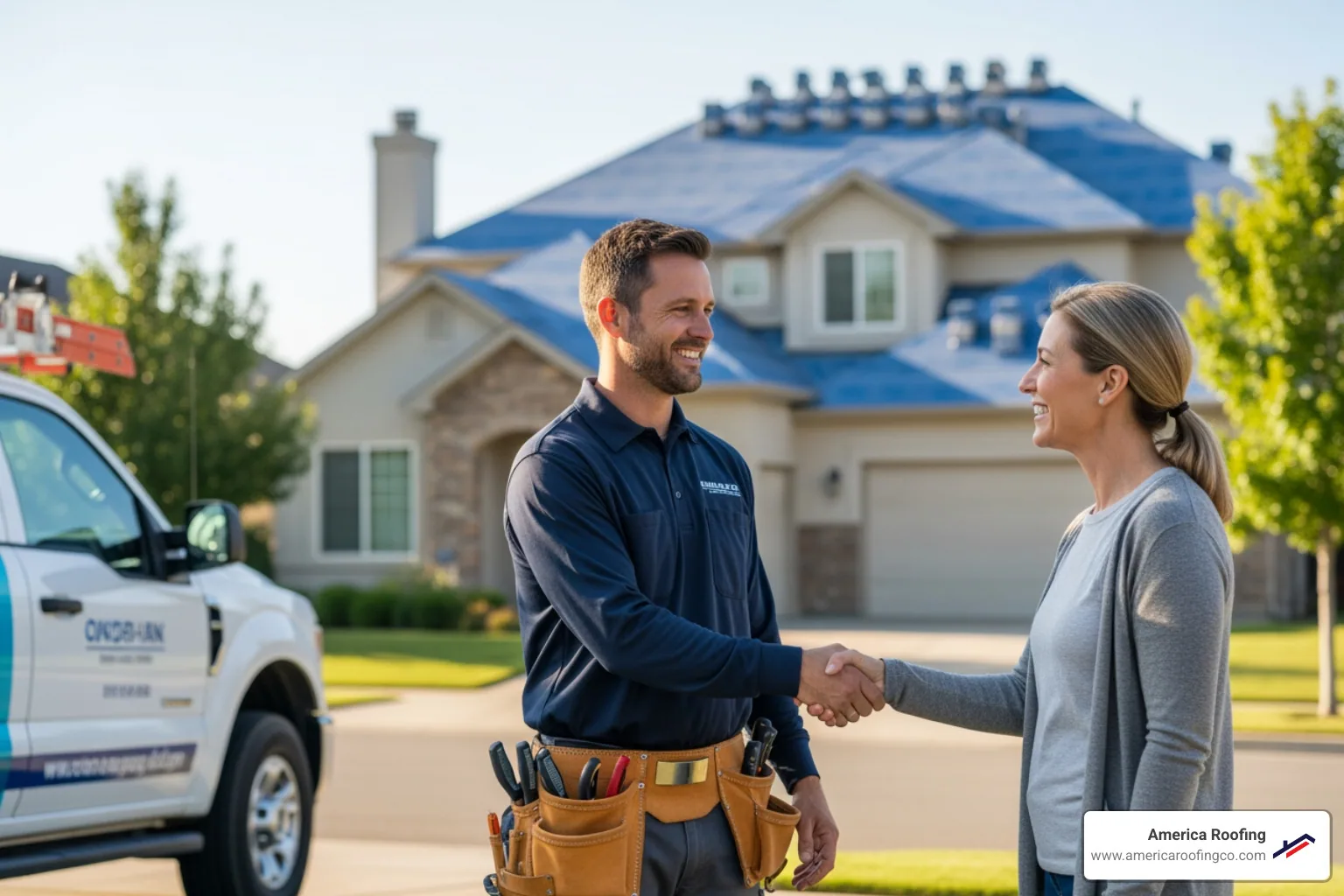
Choosing a roofing contractor is a big decision, especially in the Phoenix area where our climate is unforgiving of shoddy work. You're entrusting your home's protection to a team, so choose wisely. We always recommend getting at least three estimates, checking online reviews, and asking for referrals from friends and neighbors.
The Value of a Licensed and Insured Pro
This is non-negotiable. Hiring a licensed and insured contractor is essential for your protection.
- Liability Insurance: This protects your property. If an accident damages your siding or a window, their insurance covers it, not you.
- Worker's Compensation: This protects you. If a worker is injured on your property, their employer's insurance covers their medical bills. Without it, you could be held liable for a fortune.
- State License (ROC#): In Arizona, a contractor must have a Registrar of Contractors (ROC) license. Our license, ROC#186438, proves we meet state standards for experience and financial stability. You can verify any contractor's license on the ROC website—it takes two minutes and can save you from a nightmare.
Working with a fully licensed and insured company like ours provides peace of mind and protects your roof replacement investment. For more advice, see our Tips for choosing the right roofing contractor.
Common Roofing Scams to Avoid
After a big storm, be wary of opportunistic scammers. Here are the red flags:
- Storm Chasers: Out-of-state crews that appear after a storm, do cheap work, and disappear. They have no local office and offer no real warranty.
- High-Pressure Sales Tactics: Anyone demanding you sign a contract on the spot. A reputable pro will give you time to decide.
- Large Upfront Deposits: A reasonable deposit (10-30%) is normal, but demanding 50% or more before work begins is a major warning sign.
- Unusually Low Bids: If one bid is drastically lower than others, it likely means they're cutting corners, using cheap materials, or are uninsured.
Trust your gut. If a contractor seems unprofessional, lacks a physical address, demands cash, or is reluctant to provide a written contract, walk away.
DIY vs. Professional Roof Replacement: Why Expertise Matters
The idea of a DIY roof replacement to save money is tempting, but it's one of the most dangerous home projects you can attempt. The risks far outweigh the potential savings.
Safety risks are the top concern; falls from roofs can be fatal. Professionals have the training and safety equipment to work at heights. Furthermore, installation errors are common in DIY jobs. Incorrect nailing, improper flashing, or poor ventilation can lead to leaks, structural damage, and premature roof failure. These mistakes often cost far more to fix than hiring a pro from the start. Finally, most manufacturer warranties are voided by DIY installation, leaving you completely unprotected if the materials fail.
Protecting Your Investment for Years to Come
Your new roof is installed, but the job isn't over. Proactive maintenance is key to protecting your investment and extending its lifespan, especially in our harsh Arizona climate. Simple steps like regular gutter cleaning, trimming overhanging trees, and periodic professional inspections can catch small problems before they become costly repairs.
How to Prepare Your Roof for Seasonal Weather
Arizona's weather requires a specific approach to roof care:
- Pre-Monsoon Check (Late Spring): Before the summer storms arrive, this is the most critical inspection. Clean out your gutters, secure any loose shingles or tiles that could be caught by high winds, and trim back overhanging tree branches.
- Post-Summer Check (Fall): After months of intense sun, inspect your roof for UV damage. On asphalt shingles, look for cracking, blistering, or significant granule loss. On foam roofs, check the condition of the protective coating.
Frequently Asked Questions
Here are answers to a few common questions we hear:
- How long does a roof replacement take? Most residential roof replacements in the Phoenix area take one to three days. Larger or more complex projects might take longer, but we always work efficiently to minimize disruption.
- Can I stay in my home during the process? Absolutely. There will be noise, but our crews work safely and professionally, allowing you to remain comfortably in your home.
- How do I know which material is best for my climate? For Arizona, materials with high durability and heat resistance are best. Tile and metal are excellent long-term choices. High-quality, "cool roof" rated architectural shingles are also a great option. The best material for you depends on your budget, style, and long-term plans for the home.
Conclusion: Making a Confident Decision for Your Home
A roof replacement is a significant decision, but it doesn't have to be overwhelming. By understanding the warning signs, material options, and costs, you're empowered to make a smart choice. This is an investment in your home's safety, value, and energy efficiency—and in protecting your family.
For homeowners in the Phoenix metro area, working with a trusted, local expert is key. America Roofing is a third-generation, family-owned business that has served communities from Mesa to Gilbert since 1999. As a fully licensed (ROC#186438) and insured, veteran-owned company, we specialize in roofing solutions engineered for Arizona's unique climate. We're committed to providing honest advice, transparent pricing, and flawless craftsmanship.
Ready to secure your home's future? Get a professional estimate for your roofing project today.