Turn inspections into prioritized maintenance
Commercial roof maintenance should begin with a roof map, assembly history and a clear purpose. An owner planning one building, a manager responsible for several sites and an HOA coordinating occupied properties need different reporting, but each needs findings tied to location and urgency.
Condition and diagnosis
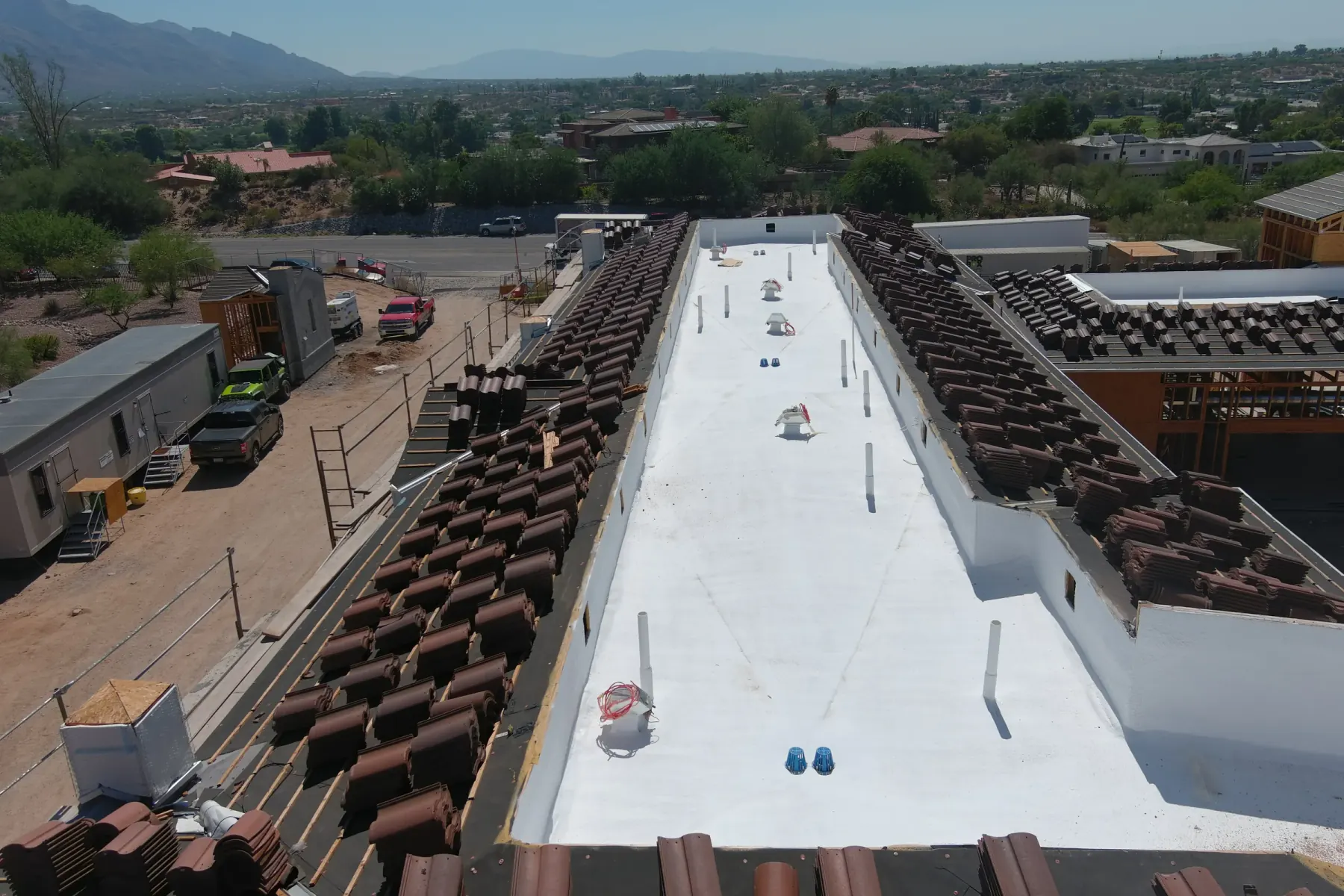
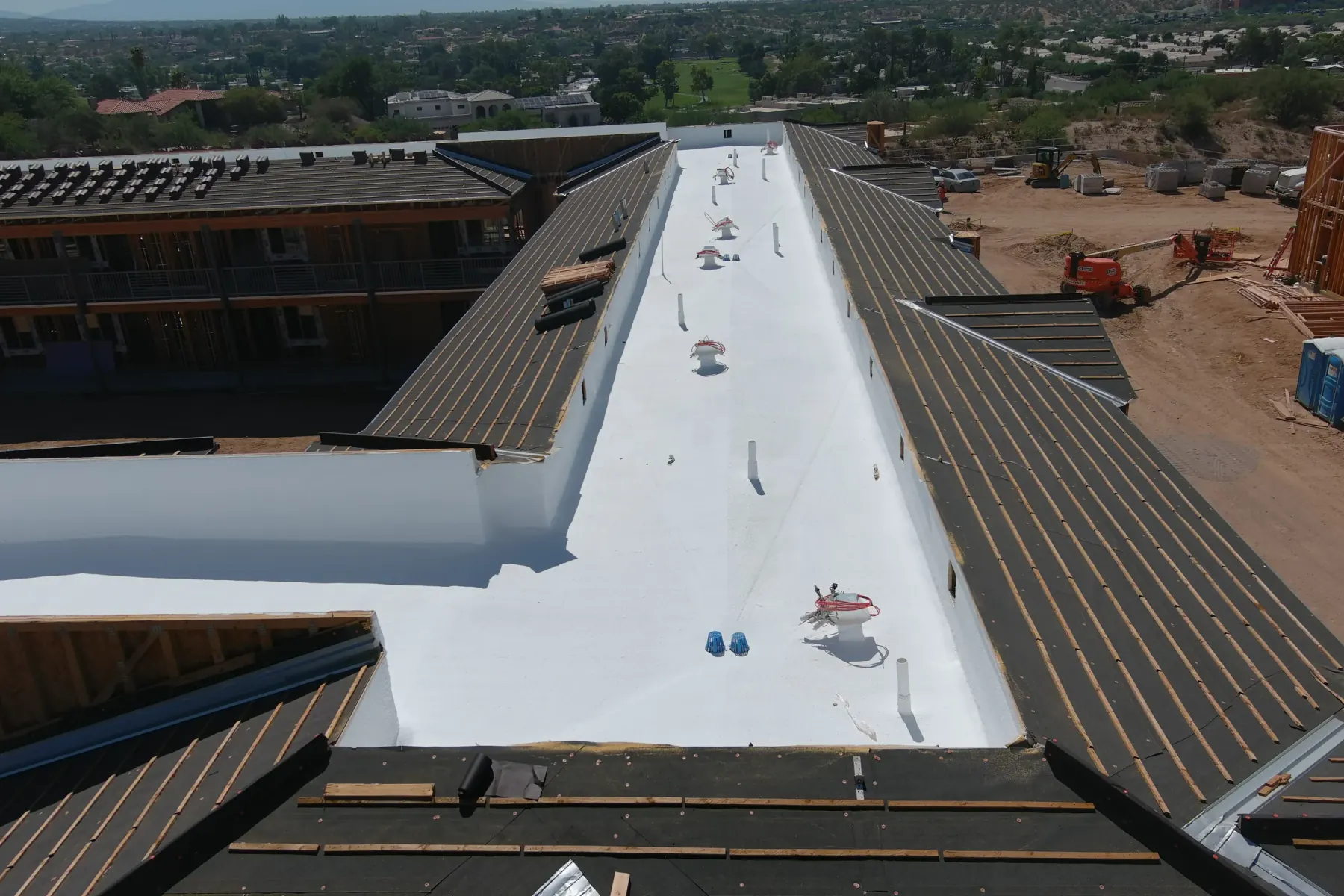
Routine review can include surfaces, seams, flashings, penetrations, equipment curbs, walls, drains, scuppers, ponding areas, debris and prior repairs. Maintenance should correct compatible minor defects and identify conditions that require a larger repair, moisture investigation or replacement plan.
Repair, restoration or replacement
Documentation matters because repeat leaks can reveal patterns that are easy to miss in isolated work orders. Photos, dates, repair locations and monitored conditions help ownership determine whether one detail keeps failing or service life is declining across a broader roof section.
What a complete proposal should define
The program should not promise that visual maintenance eliminates every concealed condition or storm-related problem. It should define inspection access, maintenance boundaries, recommended follow-up and the triggers that move an item into repair or capital planning.
- Condition by roof section
- Drainage and debris
- Recurring leak locations
- Repair and capital priorities