
Arizona monsoon season is where a roof's weak spots show up fast. Wind, dust, and sudden rain can turn a small issue at a tile, flashing, seam, or drain into a leak before the next storm rolls through Phoenix or Tucson. A practical monsoon roof inspection checklist helps property owners catch those problems early, document what changed, and decide what needs repair now versus what can wait.
protect your home from hurricanes
1. Roof Surface and Membrane Integrity After Storm
Start with the roof surface that took the hit first. After a monsoon cell, a ground-level check is the safest first pass, especially on tile, shingle, foam, and membrane roofs that may already have been weakened by wind, hail, or blown debris. A roof that looks mostly fine from the street can still have small fractures, lifted edges, or punctures that let water in during the next storm.
What to look for first
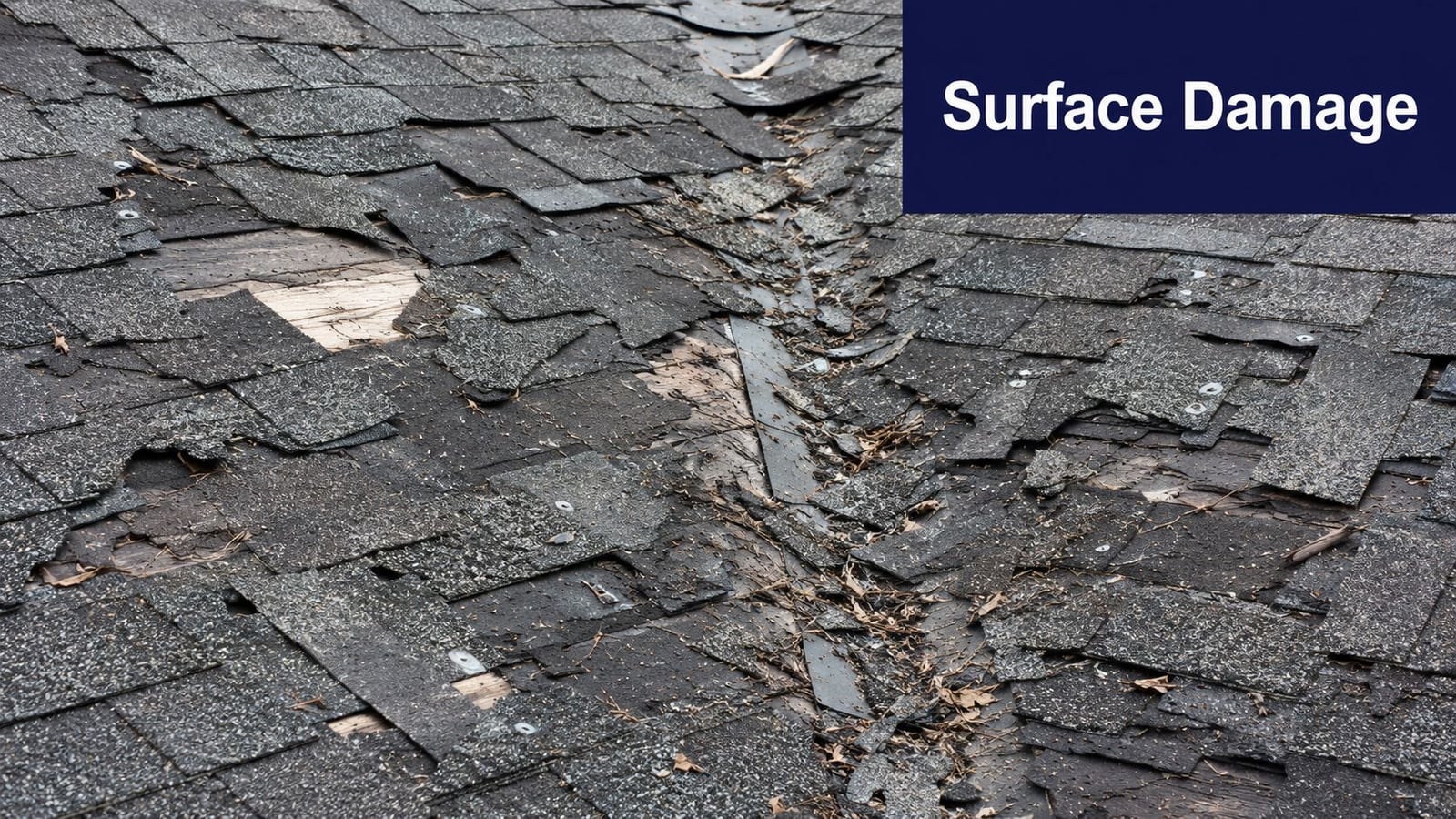
Use binoculars if needed and scan valleys, edges, and transitions before the main roof field. Those spots catch debris and show stress early. On tile roofs, look for missing, cracked, or slipped tiles. On shingle roofs, check for torn tabs, lifted sections, and granule loss. On foam and coated roofs, look for hairline cracking, blistering, peeling, or exposed substrate.
Commercial flat roofs need a slower, more systematic look because damage is easy to miss. Membranes can tear, wrinkle, or lift at corners where wind gets under them. Small punctures near foot traffic paths, service areas, or roof-mounted equipment can become leak points fast, and once water gets under a compromised membrane, the repair gets more complicated. If water is already finding a path inside, property owners should be ready to fix a leaking roof emergency before the next burst of rain makes the damage worse.
Practical rule: if a roof face, valley, or edge looks different after the storm, treat it as a real problem until a roofing professional proves otherwise.
Document before anyone disturbs the roof
Photograph visible damage right away from a safe location. Date-stamped photos help establish cause and scope later, especially if a claim or repair scope is involved. Capture the damaged area, the surrounding roof section, and any debris on the ground below.
Tie each photo to its location. Note whether the damage sits near a vent, ridge, edge metal, or roof penetration. That kind of detail helps a contractor focus on the most likely leak path instead of guessing.
Do not walk a roof that already shows lifted membrane, broken tile, or exposed decking. A small inspection mistake can create a larger repair bill than the storm itself. If you need to check a valley detail from a distance, use a safe vantage point and review guidance on how to install a pitched roof valley before making assumptions about what failed.
2. Flashing, Penetrations, and Seal Condition
A monsoon storm usually finds the weak point at a roof detail, not in the middle of the field. Chimneys, vent pipes, skylights, roof-to-wall joints, and other penetrations depend on tight metal or membrane transitions to keep water out. Once wind-driven rain gets into a loose seam or a cracked seal, the leak path can spread fast.
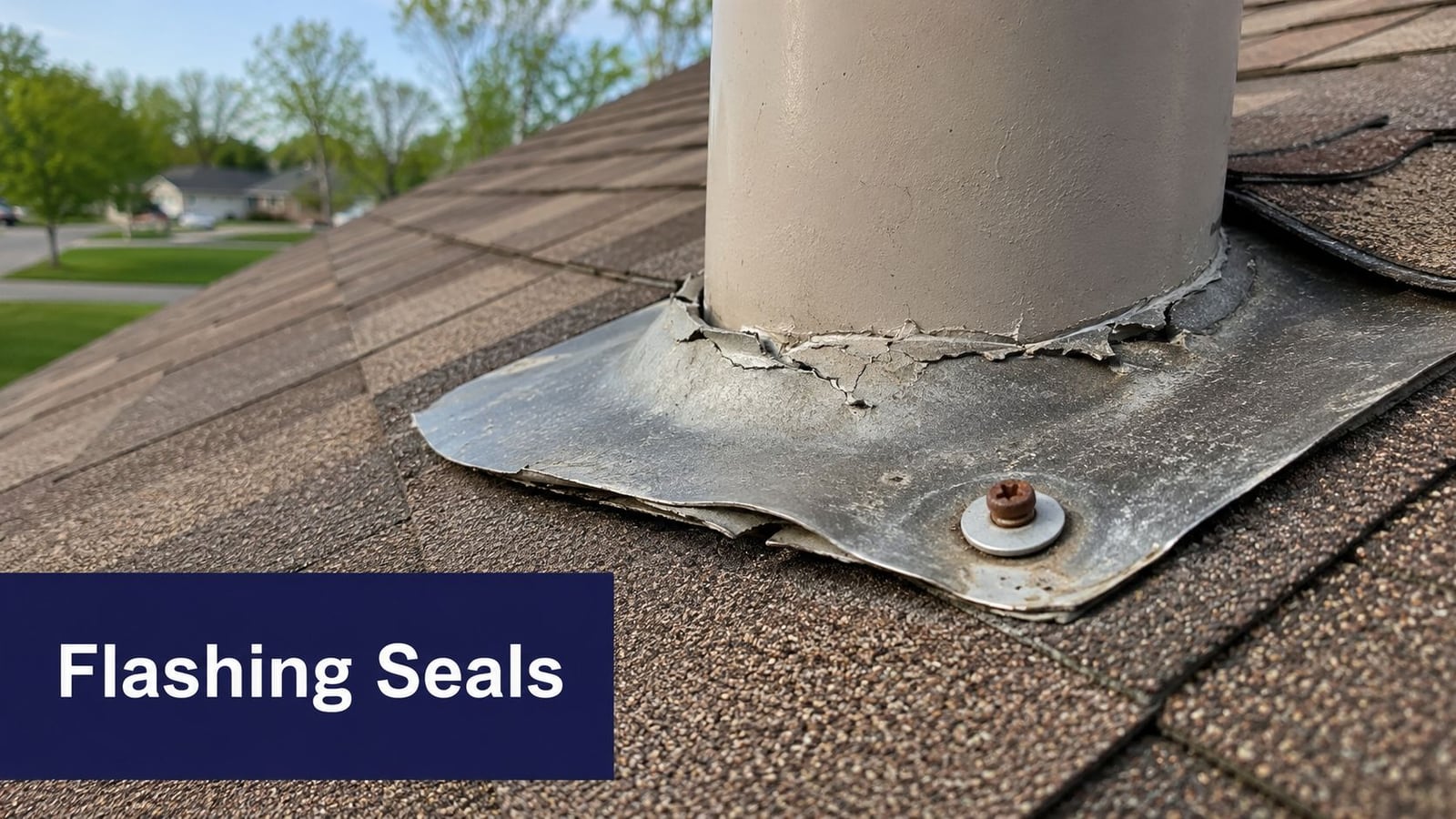
Arizona heat makes that inspection even more important. Dry air and long UV exposure harden caulk, and temperature swings move metal just enough to open a gap. A flashing detail can look fine from the ground and still leak because the joint has separated by a small amount. That small gap is enough for water to get underneath.
Check every penetration, not just the obvious ones
Inspect plumbing vents, skylights, roof-to-wall transitions, chimneys, conduit entries, and HVAC curbs on commercial roofs. A residential tile roof can still leak if one vent boot has failed. A commercial roof with multiple curbs and drains gives water more chances to find a weak point.
Look for cracked caulk, loose fasteners, rust, lifted flashing edges, and stains around the base of each penetration. On metal flashing, red or orange corrosion means the metal is breaking down. On copper, green patina shows the material has aged. On flat roofs, a boot that is not sealed at the base and top can let water travel straight into the building.
The roof usually leaks at a joint, seam, or transition before it leaks anywhere else. That is why this check matters, especially after a storm with heavy wind and sideways rain.
Damaged flashing can stay hidden until the first monsoon storm. After that, it becomes an interior leak problem.
If you need to repair chimney flashing in AZ NV CO, handle it quickly, because chimney details and other roof intersections fail the same way when sealant dries out or flashing shifts out of place.
A useful internal reference for pitched-roof junctions is install a pitched roof valley, because valley transitions often show the same stress patterns that show up around other roof intersections.
3. Roof Drainage and Water Pooling Patterns
Drainage is the difference between a roof that sheds water and a roof that stores trouble. On Arizona roofs, dust, leaves, and storm debris can clog gutters, scuppers, drains, and downspouts quickly. Once water stops moving, it starts looking for a path into the building instead.
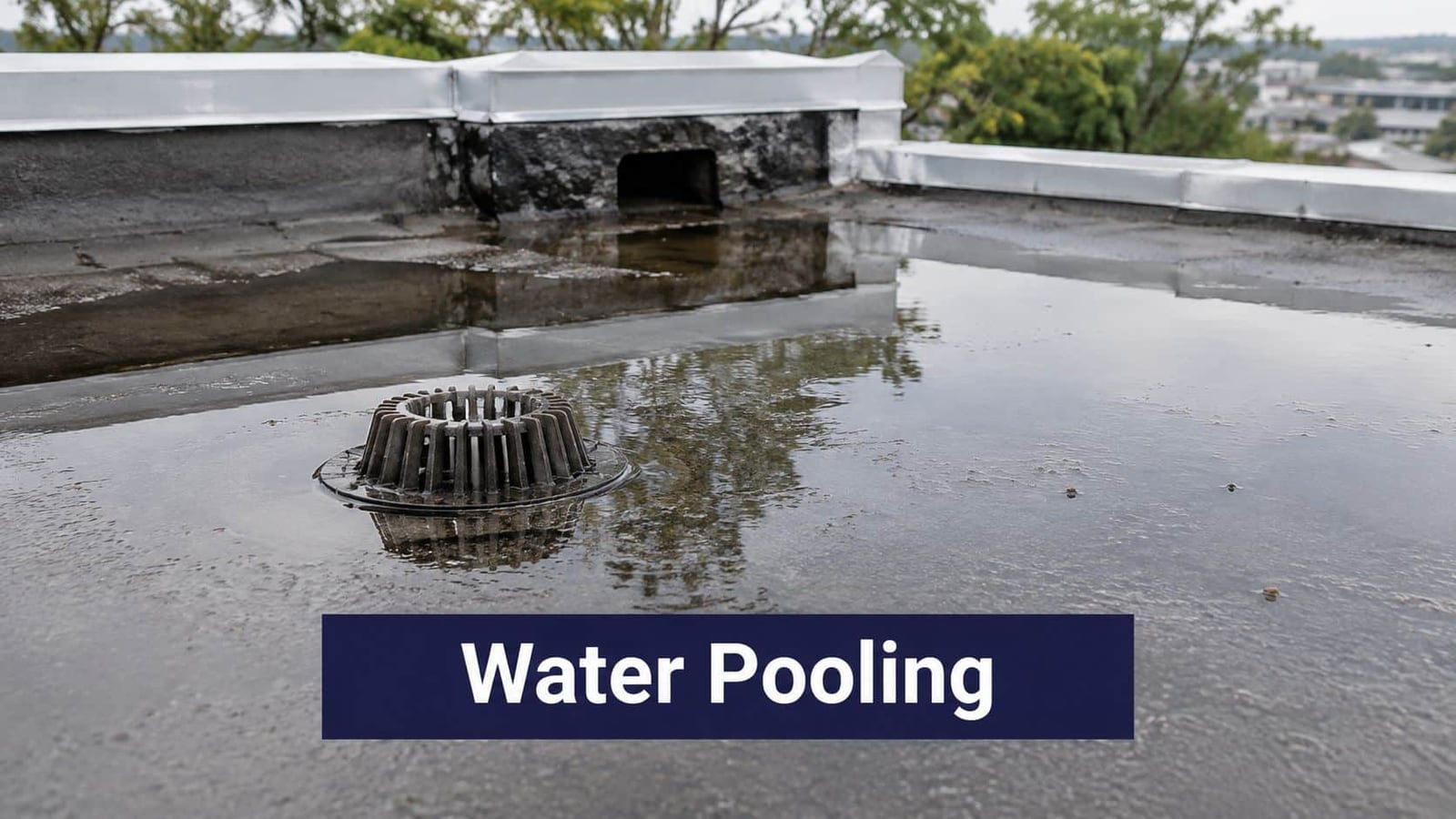
Flat roofs need special attention because ponding can be hard to spot from the ground and easy to dismiss if it's shallow. Persistent standing water is not a minor nuisance. It signals a slope, blockage, or discharge problem that should be corrected before the next heavy rain.
What good drainage looks like
Every roof drain, scupper, gutter, and downpipe should move water steadily to an outlet. A practical benchmark is simple, water should not remain pooled after a short drainage test, and standing water more than 48 hours after rain is a warning sign. If water keeps sitting in the same place, the roof is telling you something is wrong.
On sloped roofs, gutters should be clear and securely attached. On flat roofs, drains and scuppers should stay open, and discharge points should carry water away from the foundation. On both systems, the roof needs a clear runoff path. If water backs up at the edge, it can soak soffits, fascia, wall cavities, or the structure below.
Why this matters in Phoenix and Tucson
Dust is part of the problem. Dry-season debris can clog a gutter before the first storm arrives, then the first monsoon overflow sends water where it doesn't belong. On commercial roofs, a low spot near mechanical equipment can hold water long enough to stress the membrane and raise the risk of interior damage.
For a practical guide to roof gutter maintenance, drainage condition belongs near the top of the list because clogged gutters and blocked runoff paths are common, fixable causes of avoidable leaks.
Practical rule: if drainage has to be “watched” every storm, it isn't performing. It needs correction.
4. Roof Membrane Seams, Joints, and Tape Bonds
Flat and low-slope roofs live or die by their seams. On TPO, PVC, EPDM, and modified bitumen systems, the seam is the weak line that has to stay sealed through heat, wind, and rain. If that bond lifts, separates, or cracks, water doesn't need a big opening to get in.
Arizona roofs get hit with harsh UV, then long periods of dry heat, then fast temperature swings when storms move through. That combination puts stress on adhesive bonds, welded seams, and tape edges. Even a hairline opening can let wind-driven rain work under the membrane.
What failure looks like on flat roofs
Look for lifting, wrinkling, delamination, edge peeling, and seam discoloration. A heat-welded seam on a TPO or PVC roof should look smooth and uniform, not thin or uneven. EPDM seams should sit tight, with no loose edge or pulled fastener. Modified bitumen seams that blister, crack, or separate are overdue for attention.
Corners, transitions, and roof-to-vertical details are high-stress points. Roof-mounted equipment can also create movement that weakens seams around curbs. If the roof is older, the visible condition of the seam matters even more because aged adhesive and UV wear shorten the margin for error.
A qualified contractor can pair exterior findings with interior checks. Moisture in the insulation or deck near a seam often confirms that the roof isn't just aging, it's already leaking.
For Phoenix property owners dealing with membrane problems, flat roof repair in Phoenix is often the right next step when seam separation or localized damage shows up after monsoon weather.
Practical rule: a flat roof seam that looks “almost sealed” is usually the one that fails next.
5. Interior Attic or Below-Roof Water Stains and Moisture Evidence
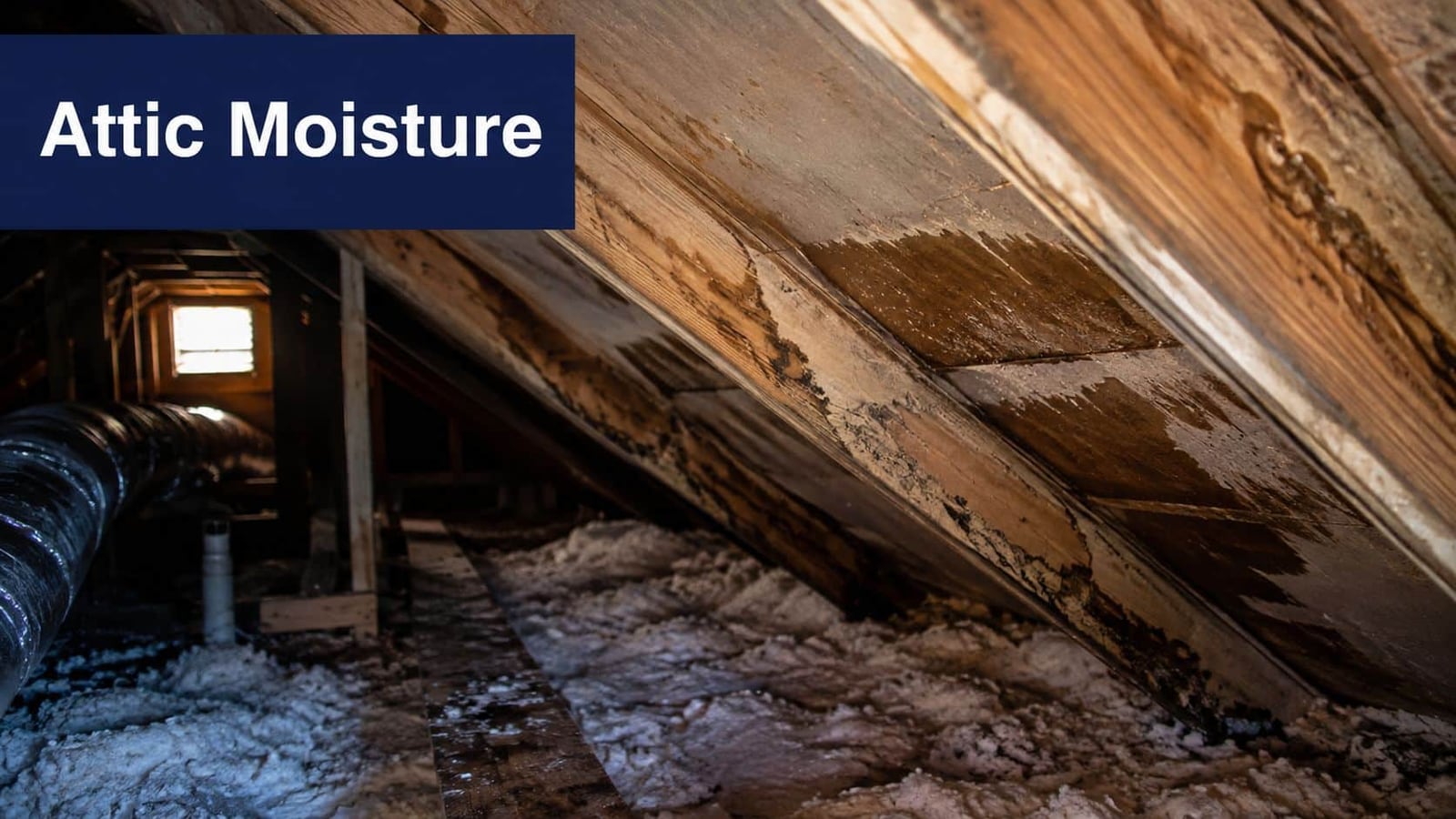
Exterior checks only tell half the story. The attic, ceiling cavity, or space below a flat roof often shows the leak path first. Water stains, damp insulation, musty odors, and darkened wood are signs that water got in and stayed long enough to leave a mark.
What interior evidence tells you
Fresh stains suggest active intrusion. Old, dry stains suggest a previous leak that may still be open or may have been repaired badly. Either way, the building should be checked carefully, because water can travel along framing members or roof decking before it shows up inside the room below.
Commercial buildings often reveal leak clues at drop ceilings. A stained tile, a wet corridor, or a drip near a mechanical room can point back to a membrane seam, drain issue, or penetration far from the visible damage. That distance matters. The leak source is often nowhere near the ceiling stain.
How to read the warning signs
Moisture in insulation lowers performance and can support mold growth. Dark spots on rafters or wall tops should be photographed and mapped to the roof features above them. If mold is visible, the material should not be disturbed. The safer move is to bring in the right professional, especially in older homes where insulation or attic materials may contain asbestos.
A moisture meter can help confirm whether the area is still wet, but the interior inspection still needs context. A wet ceiling alone doesn't tell the full story. A stain directly below a vent boot, seam line, or roof valley is far more useful because it narrows the search.
For property owners trying to prevent mold with leak detection, the key is speed. Document the stain, note the location, and act before the next storm adds more water to the problem.
6. Roof Age, Material Degradation, and UV Weathering
Arizona sun ages a roof differently than rain alone does. Phoenix and Tucson roofs get hit with intense UV exposure year after year, and that wear changes how well the system handles monsoon storms. A roof that's already brittle or dry won't tolerate wind, impact, or water as well as a healthier one.
Why age changes the repair decision
Older roofs don't fail only because of one storm. They fail because the storm finds material that's already tired. That's why the same amount of damage can mean a different decision depending on roof age and material condition. A newer roof with one damaged area may be a clear repair. A roof near the end of its service life may be a replacement candidate even if the storm damage looks limited.
Asphalt shingles often lose granules and get brittle. Foam roofs can chalk and crack. Coatings can peel when the protective layer is spent. Membranes can discolor, lose flexibility, and show surface wear that makes them more vulnerable to tears or punctures.
What a property owner should compare
Check the current look of the roof against any shaded areas that weathered less. That contrast often shows how much UV damage has accumulated. If granules are shedding from shingles, or if foam rubs off as white chalk, the system is telling you it's aging out. On commercial roofs, surface wear around seams and penetrations matters even more because it often predicts where the next leak will begin.
Material age also affects budget planning. A roof at a large portion of its service life may justify planning for replacement rather than stacking repairs year after year. That's a business decision, not just a roofing one.
The age benchmarks commonly used in roofing discussions are asphalt shingles 15 to 25 years, foam roofing 10 to 20 years depending on coating, TPO and PVC 15 to 30 years, EPDM 15 to 30 years, and tile 40 to 70 years. Those ranges aren't a promise of service life, but they help frame repair versus replacement decisions in Arizona.
7. Structural Decking and Roof System Support Assessment
A roof can look passable on top and still be in trouble underneath. Once water reaches the deck or the support structure, the issue stops being cosmetic. Soft decking, sagging lines, rot, rust, or loose fasteners mean the roof system has a deeper problem that patching alone won't solve.
Signs the structure needs attention
Walk the attic or look from below where safe access exists. Soft or spongy decking usually means moisture has been present long enough to weaken the wood. Sagging roof lines can mean the deck is deflecting or the support system has been compromised. On commercial buildings, exposed steel with corrosion or fasteners that no longer hold securely can signal a loss of structural integrity.
A roof drain problem can also become a structural issue if standing water sits in the same low spot every storm. The extra load and repeated moisture exposure stress the deck and can push a marginal roof past the point where a simple repair makes sense.
Why this usually needs a pro
Structural concerns are not guesswork territory. A contractor can identify visible warning signs, but a full structural evaluation is often needed when deck damage or sagging is present. That matters because no coating, seam patch, or tile replacement will last if the support underneath is moving or deteriorating.
The best use of an inspection here is triage. Find the soft spot, the sag, or the rust before it turns into a larger failure. Then decide whether the work is roof repair only, deck repair plus roof repair, or a bigger replacement scope.
If a Tucson home with a truss system shows soft decking, moisture, and visible mold, the roof issue is no longer just about surface waterproofing. The structure itself needs attention, and the repair plan has to match that reality.
8. Inspection Summary, Safety Guidance, and Arizona-Specific Recommendations
A solid monsoon inspection follows the same order every time. Start with the roof surface, move to flashing and penetrations, check drainage, then inspect seams, interior stains, age-related wear, and the structure below. That sequence keeps attention on the places where water usually enters first and where damage tends to spread fastest.
How to use the findings
Photograph everything with date context. Keep notes tied to roof features, not just general locations. If a ceiling stain lines up with a vent, a valley, or a seam, write that down. If a drain is holding water or a tile has slipped, record it before anything is moved or cleaned up.
Do not treat roof inspection like a ladder job for a homeowner. Wet roofs, hot tile, hidden soft spots, and loose membrane edges are real fall hazards. The safest role for the property owner is documentation, not hands-on repair. A roofing professional can then turn those observations into a repair scope that matches the actual condition of the roof.
For a better roof inspection in Arizona, the biggest value comes from pairing the visual checklist with moisture readings, a storm timeline, and a careful look at how the roof drains after rain. That combination gives a contractor far more to work with than a quick visual glance ever will.
Practical rule: the faster the inspection happens after a storm, the cleaner the evidence and the better the repair decision.
8-Point Monsoon Roof Inspection Comparison
When Your Checklist Points to a Professional
This monsoon roof inspection checklist is designed to help property owners spot trouble early, but it can't replace a qualified roofer's judgment. If the checklist turns up missing tile, torn membrane, lifted flashing, persistent ponding, interior staining, or sagging deck areas, the roof needs a closer look from a professional who understands Arizona storm damage and local roof systems.
Phoenix and Tucson roofs take a beating from heat, dust, UV exposure, and fast-moving monsoon storms. That combination is hard on tile roofs, shingles, foam roofs, and commercial flat roofs, especially when a roof is already old or has previous repair history. A certified inspector can separate surface wear from actual storm damage and help decide whether a repair will hold or whether replacement is the smarter long-term move.
That matters for claims, budgets, and safety. A quick patch can be the wrong answer if the underlying problem is a failed seam, hidden moisture, or deck damage below the surface. A professional inspection gives property owners a better chance of fixing the source, not just the symptom.
America Roofing handles roof repair, roof replacement, flat roofing, foam roofing, tile roofing, storm damage, and commercial roof work across Phoenix and Tucson. If the checklist points to damage, call 602-237-2478 or request a roofing estimate before the next storm gives the problem more time to spread.
America Roofing helps Arizona homeowners, property managers, and commercial building owners get straight answers after monsoon damage. If the roof needs repair, a leak diagnosis, or a full replacement plan, visit America Roofing and request a quote so the next storm doesn't decide the repair timeline for you.