

A minimum roof pitch for slate tiles isn’t just a technical detail—it’s the foundation for a roof that can truly stand up to Arizona’s blazing sun and sudden monsoon downpours. If you’re considering slate, understanding this requirement is the first step to protecting your home and your investment for decades to come.
What's the Minimum Roof Pitch for Slate Tiles?
The minimum roof pitch for slate tiles is 4:12 (about 18 degrees), according to industry leaders like the National Roofing Contractors Association (NRCA) and the National Slate Association. Getting this wrong can lead to leaks, water damage, and costly repairs. While 4:12 is the technical minimum, we strongly recommend a pitch of 8:12 or steeper for slate roofs in Arizona to ensure proper water shedding during our intense monsoon season. The ideal range is between 12:12 and 18:12 to maximize the service life of your slate roof.
| Roof Slope | Minimum Headlap | Notes |
|---|---|---|
| 4:12 to 8:12 | 4 inches | Lower slopes require greater headlap for weather protection |
| 8:12 to 20:12 | 3 inches | Standard headlap for most slate installations |
| Above 20:12 | 2 inches | Steeper slopes shed water faster, allowing reduced headlap |
Why Slate Roof Pitch Matters in Arizona
Here's the thing: roof pitch isn't just about looks; it directly affects how your roof handles water. In Arizona, this is critical. Our monsoon storms deliver intense, wind-driven rain that can push water uphill and underneath tiles through a process called capillary action.
Steeper roofs use gravity to shed water quickly, preventing it from finding its way through nail holes or joints. This is why slate, which can last over 75 years, needs the right pitch to deliver on its promise of longevity. Pitch works hand-in-hand with headlap—the overlap between slate courses. Lower pitches require more headlap to prevent leaks. Ignoring these requirements can lead to chronic leaks, mold, and structural damage.
Understanding Roof Pitch Basics
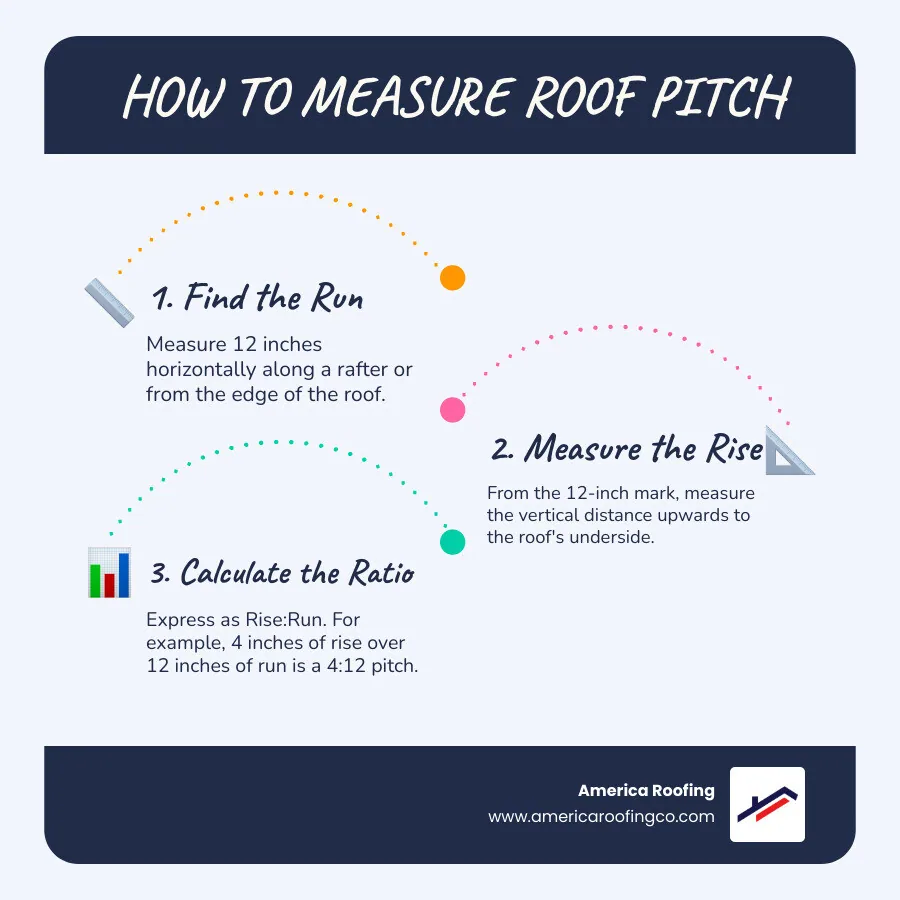
Before diving deeper into slate, let's clarify what roof pitch is. It's simply a measure of your roof's steepness, which determines how fast water runs off. We measure pitch as a ratio of vertical "rise" to a horizontal "run" of 12 inches. A "4:12 pitch" means the roof rises 4 inches for every 12 inches it runs horizontally.
- Low Slope (below 3:12): Requires special waterproofing membranes.
- Moderate Pitch (3:12 to 9:12): Common for most homes and a variety of materials.
- Steep Slope (10:12 and up): Highly efficient at shedding water and snow.
For a premium material like slate, getting the pitch right is non-negotiable. A proper pitch ensures rapid water shedding, protects against wind-driven rain, and prevents water from being drawn under tiles by capillary action. It's the key to open uping slate's incredible 100+ year lifespan, especially when paired with the correct headlap. Honestly, a steeper pitch almost always leads to a longer service life for the roof.
Slate's Minimum Pitch and the Role of Headlap
So, what's the magic number? The official minimum roof pitch for slate tiles is 4:12 (an 18-degree angle). Both the National Roofing Contractors Association (NRCA) and the National Slate Association (NSA) establish this as the baseline. However, for Arizona's climate, we always advise that steeper is better. A pitch of 8:12 or greater is preferred, with the 12:12 to 18:12 range being ideal for maximizing slate's lifespan and performance.
How Headlap Affects the Minimum Pitch
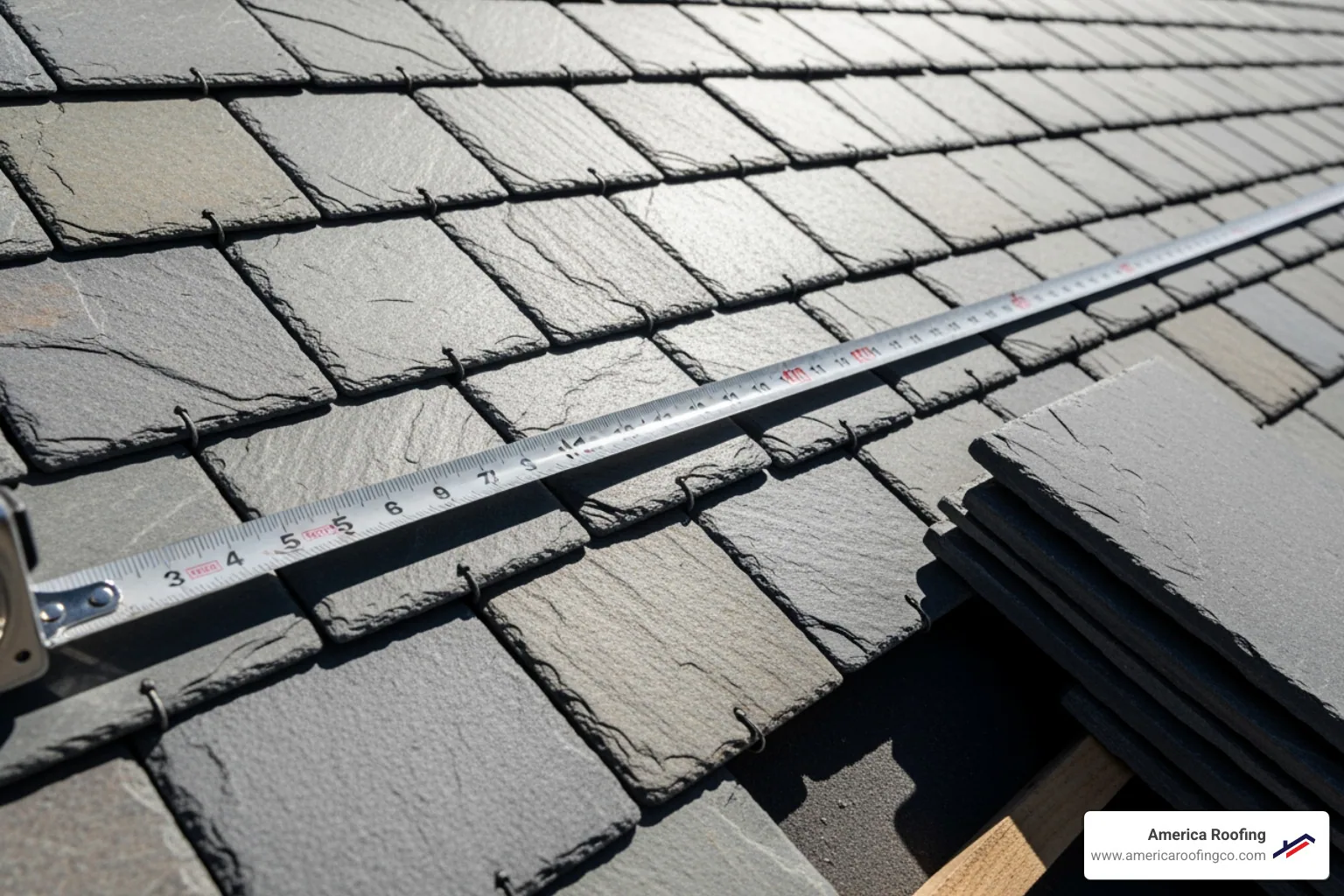
Pitch doesn't work alone; it's critically linked to headlap. Headlap is the overlap of a slate tile over the course two rows below it, creating a barrier against wind-driven rain. The rule is simple: the lower the pitch, the more headlap you need.
Here are the standard guidelines:
- 4:12 to 8:12 slopes: Require a 4-inch headlap.
- 8:12 to 20:12 slopes: A 3-inch headlap is standard.
- Above 20:12 slopes: A 2-inch headlap is sufficient.
This information is detailed in resources like the National Slate Association’s Mobile Field Guide. An experienced installer calculates the correct headlap based on pitch and slate size to create a completely watertight system.
Recommended Slate Pitches for Arizona Homes
While national standards set a 4:12 minimum, Arizona's climate demands we aim higher. Our intense monsoons and haboobs mean your roof needs to be engineered for extreme weather. We adhere to the International Building Code (IBC) but often recommend exceeding its minimums for optimal performance.
Here’s a quick guide to slate pitch and headlap for Arizona:
| Roof Pitch (Rise:Run) | Minimum Headlap (Inches) | Considerations for Arizona |
|---|---|---|
| 4:12 | 4 | Absolute minimum. Requires meticulous installation and improved underlayment for protection against monsoon rains. |
| 8:12 | 3 | Preferred minimum. Offers significantly better performance and longevity in our climate. |
| 12:12 to 18:12 | 2 - 3 | Ideal range. Maximizes slate life and provides superior protection against all weather conditions. |
| 20:12+ | 2 | Exceptional water shedding, requiring minimal headlap. |
Note: Slate is heavy (600-750 lbs per 100 sq ft), so your home's structure must be able to support the weight, regardless of pitch.
Why Slate Excels on Steep Roofs
For homes with adequate pitch, slate is an unparalleled choice in Arizona.
- Longevity: Slate is a natural stone that is waterproof, fireproof, and immune to the intense UV radiation that destroys other materials like asphalt shingles. It can easily last over 100 years.
- Timeless Appearance: Slate offers a classic, sophisticated look with natural color variations that synthetic materials can't match, boosting curb appeal.
- Climate Performance: Slate's density withstands extreme heat without warping. On a steep roof, it sheds heavy monsoon rain instantly and resists damage from abrasive haboob dust storms.
Risks of Improper Pitch & Finding a Pro
Ignoring the minimum roof pitch for slate tiles is a costly mistake. Installing slate on a roof that's too shallow can lead to a cascade of problems, especially in Arizona's climate.
The Dangers of a Low-Pitch Slate Roof
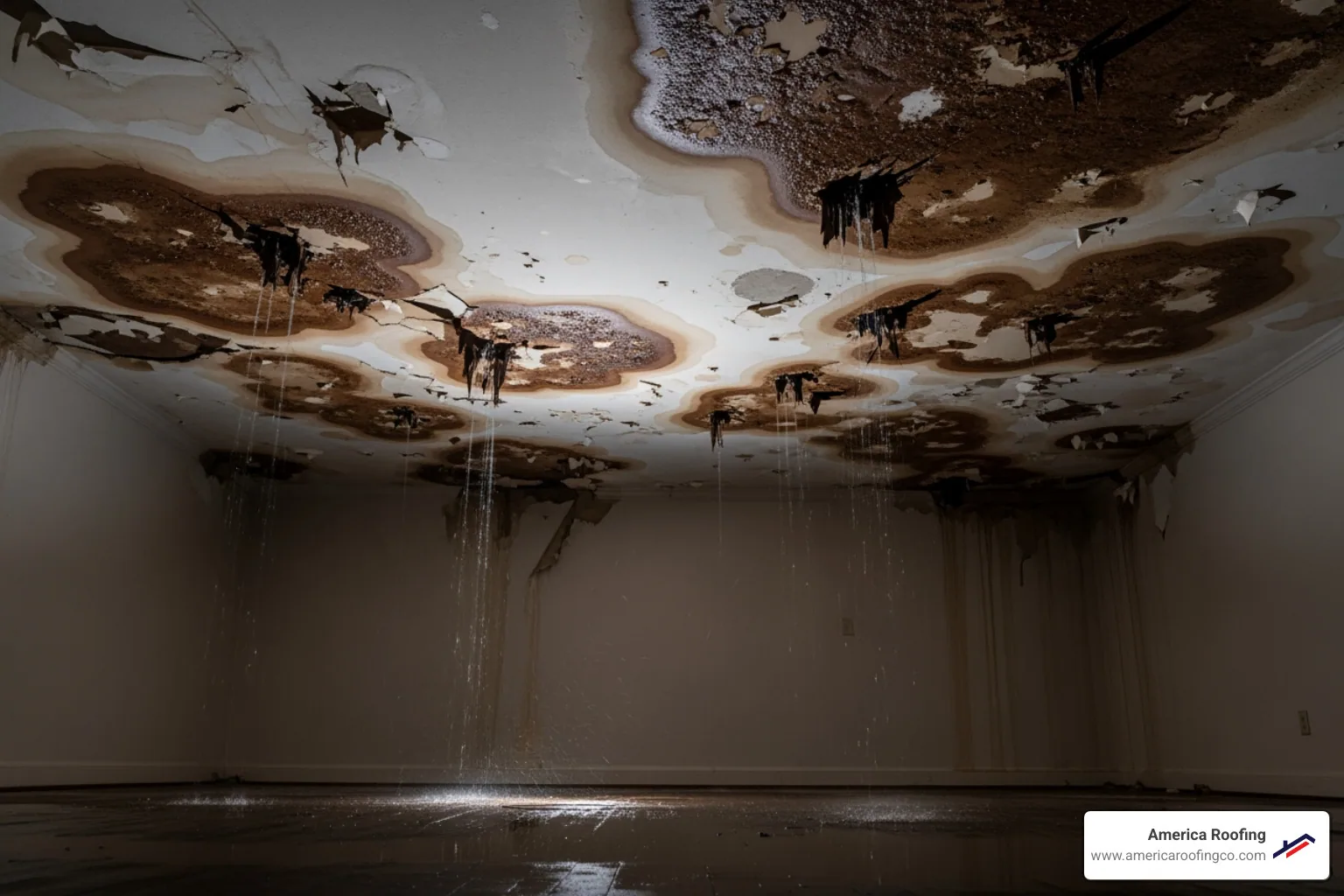
- Chronic Leaks: Water won't drain fast enough, allowing wind-driven monsoon rain to get under the tiles.
- Structural Damage: Persistent moisture leads to wood rot in the roof deck and rafters, a far more expensive fix than the roof itself.
- Mold and Mildew: Trapped moisture creates a breeding ground for mold, which can pose health risks and require extensive remediation.
- Voided Warranties: Manufacturers and installers will not warranty a roof that's installed outside of specification, leaving you to foot the bill for all repairs.
Making the Right Choice
Given the stakes, getting professional guidance is crucial. Always refer to authoritative sources like the International Building Code (IBC) and the National Slate Association (NSA). Most importantly, hire a specialist. Slate installation is a craft that requires deep experience, especially in Arizona. A general roofer may not understand the nuances of headlap, underlayment, and flashing details required for our climate.
At America Roofing, our family-owned business has specialized in roofing for the Phoenix metro area for three generations. We understand how to engineer a roof to withstand our extreme heat, monsoons, and UV exposure. A successful slate roof installation depends on a deep understanding of these principles and local conditions. To ensure your slate roof is built to last, contact our team of specialists at 602-237-2478 or Request a Free Quote today for an honest, no-pressure consultation.