
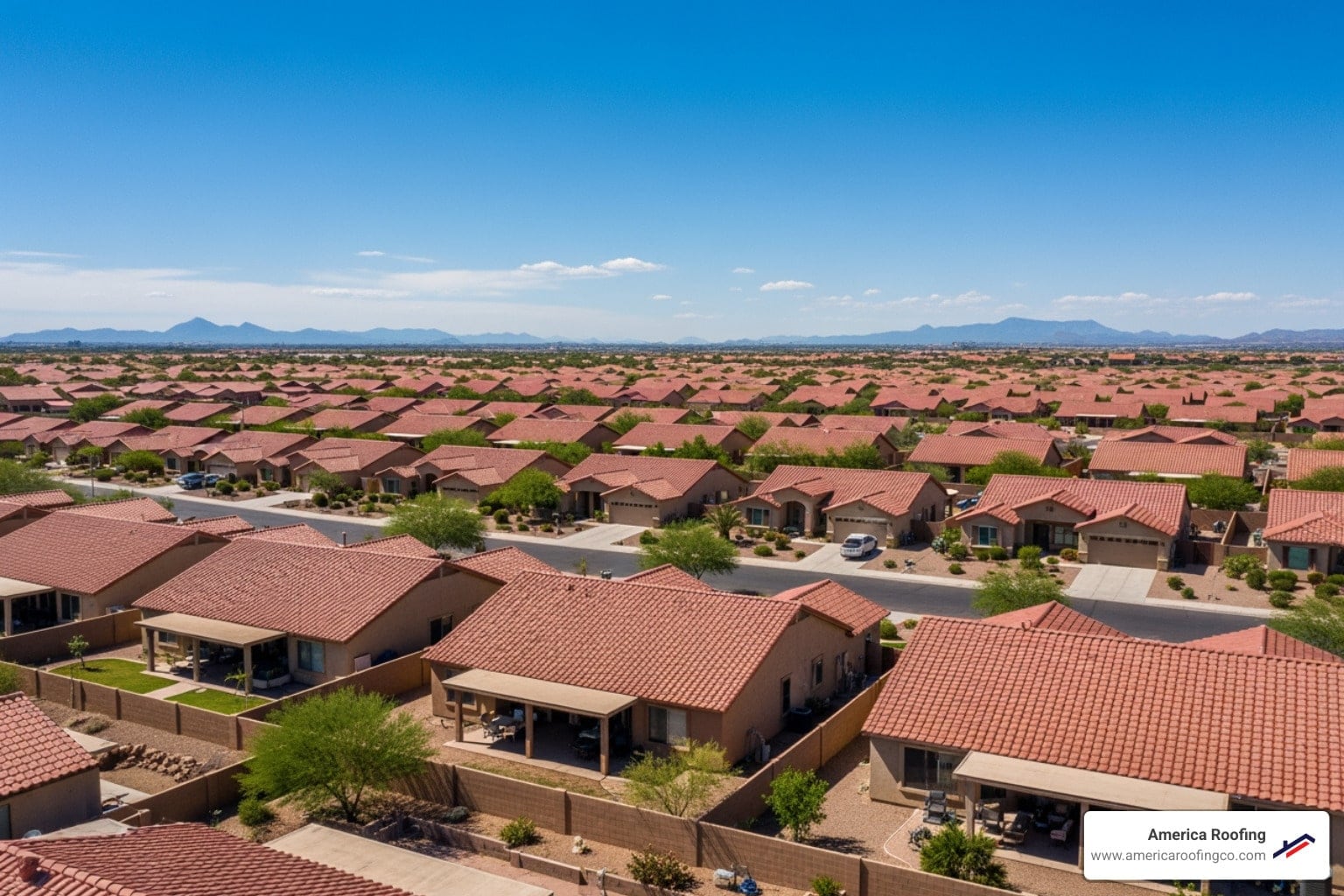
When it comes to protecting your home from the brutal Arizona sun, choosing the right phoenix roofing systems is the single most important decision you will make. Honestly, the desert climate is unforgiving, and a standard roof simply won't cut it here. Let me explain how you can evaluate the best local options to keep your home safe, dry, and energy-efficient.
Evaluating the Best Phoenix Roofing Systems for Desert Extremes
If you just want the quick answer on what to look for in a Phoenix roofing system, here it is:
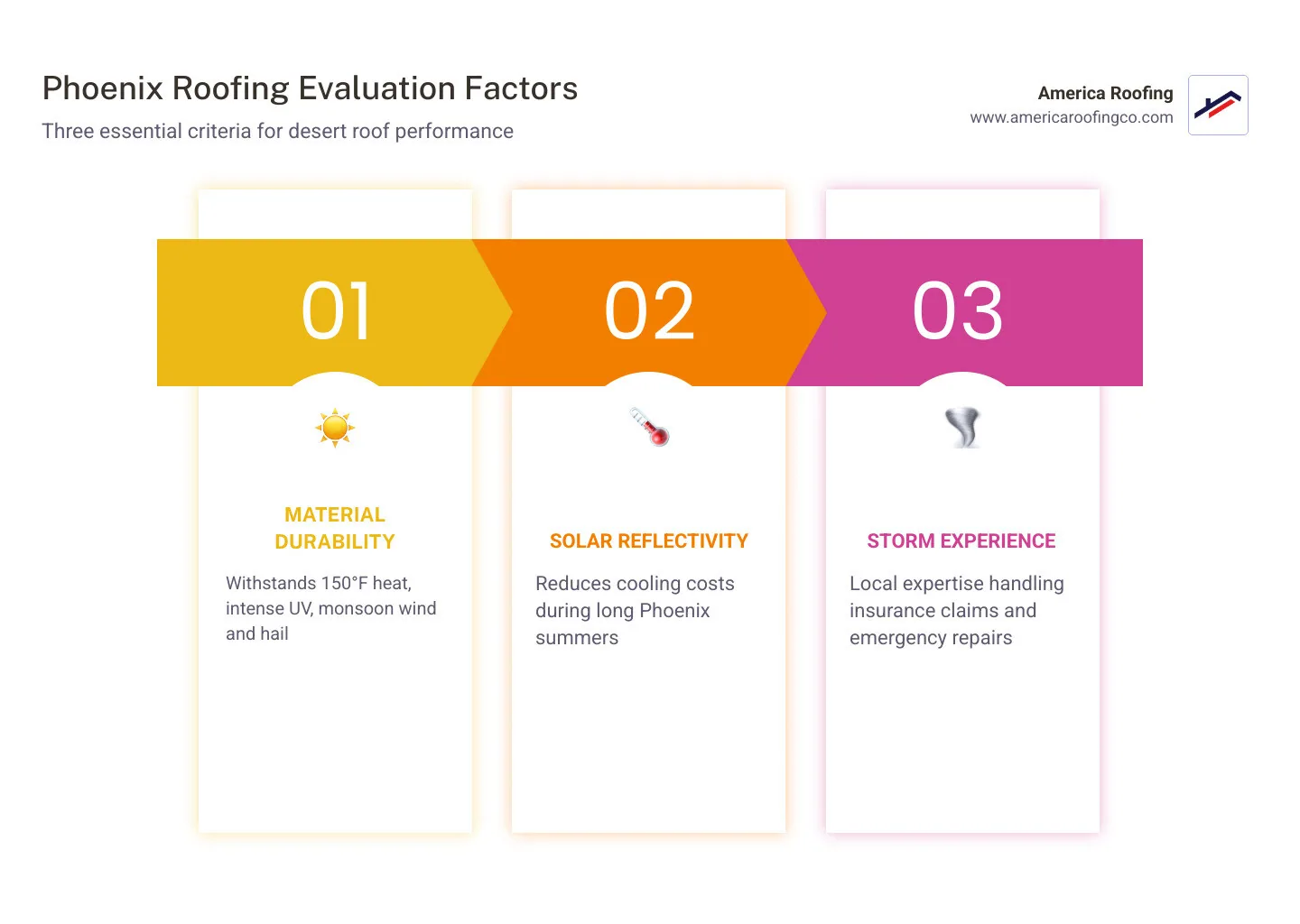
Top factors to evaluate when choosing a Phoenix roofing system:
- Material durability - Must withstand extreme UV, heat up to 150°F+ surface temps, and monsoon wind and hail
- Solar reflectivity - Reduces interior cooling costs during long Phoenix summers
- Contractor credentials - Verify ROC license, insurance, BBB rating, and manufacturer certifications
- Warranty coverage - Look for both a manufacturer product warranty and a separate labor warranty
- Storm damage experience - Contractor should have a clear process for insurance claims and emergency repairs
- Local expertise - Choose someone who knows Phoenix building codes and desert-specific roofing systems
Arizona's climate is unlike anywhere else in the country. Intense UV radiation breaks down roofing materials faster than in most states. Monsoon season brings sudden wind, hail, and heavy rain. And thermal expansion from extreme daily temperature swings puts constant stress on your roof structure. The wrong material — or the wrong contractor — can turn a small issue into a very expensive problem fast.
Phoenix roofing systems terms you need:
Let's face it: our desert home is beautiful, but it is absolute murder on building materials. Between the relentless solar radiation, the sudden violence of the summer monsoon season, and the blinding dust of haboobs, your roof has to be a literal shield.
Under the summer sun, roof surface temperatures easily exceed 150°F. This intense heat causes materials to expand rapidly during the day and contract just as quickly when the desert temperature drops at night. This process, known as thermal expansion, can cause inferior roofing systems to crack, buckle, and fail prematurely. That is why choosing the Best Roofing Material for Phoenix is so critical.
Concrete Tile: The King of Phoenix Roofing Systems
In Maricopa County, concrete tile is the undisputed heavyweight champion of residential roofs. It is durable, aesthetically gorgeous, and incredibly effective at shedding heat.
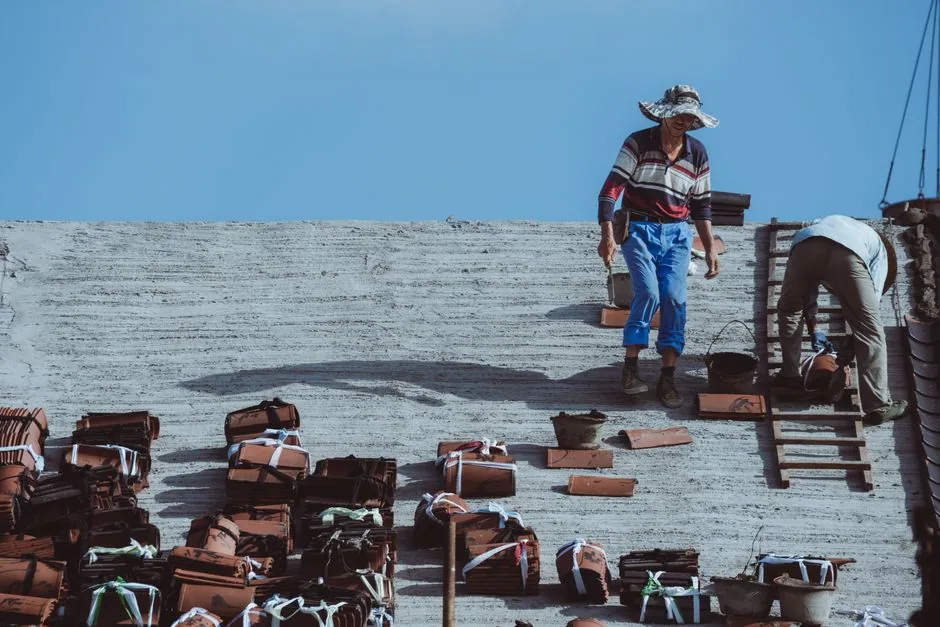
However, here's the thing most homeowners don't realize: the tiles themselves are not what actually keeps the water out of your house. The tiles act as a protective shield against UV rays and physical damage, while the underlayment underneath does the heavy lifting of waterproofing.
When evaluating tile phoenix roofing systems, you must pay close attention to the quality of this underlayment. Standard felt underlayment degrades quickly under extreme heat, whereas premium synthetic or self-adhering modified bitumen underlayments can last for decades.
- Weight Load: Concrete tile is heavy! Before installing a tile roof, a professional must verify that your home's framing can handle the weight.
- Lifespan: While the concrete tiles themselves can easily last 50 years or more, the underlayment usually needs replacement every 20 to 30 years. Check out our Phoenix Tile Roofs Lifespan Guide for a deeper look at this process.
- Ventilation: Properly installed tile roofs create a natural air pocket between the tiles and the deck, acting as an extra layer of insulation to keep your cooling bills manageable.
Flat and Foam Phoenix Roofing Systems for Modern Homes
Many contemporary and mid-century modern homes in the Phoenix metro area feature flat or low-slope rooflines. For these properties, traditional shingles or tiles simply won't work because water cannot shed quickly enough. That is where flat and foam systems come in.
Spray Polyurethane Foam (SPF) is an exceptional solution for flat roofs. We spray it on as a liquid, and it expands into a solid, seamless barrier that fills every crack and crevice.
- Seamless Protection: Because foam has no seams, it virtually eliminates the risk of leaks from ponding water (water that sits on a flat roof for more than 48 hours).
- Elastomeric Coatings: To protect the foam from rapid UV degradation, we apply a high-performance elastomeric top coat. This bright white coating reflects up to 85% of solar radiation, dramatically lowering your energy bills.
- Maintenance: You know what? If you maintain your foam roof with a fresh elastomeric re-coat every 5 to 10 years, it can easily last a lifetime.
If you want to explore whether flat or foam is right for your home, working with a qualified Phoenix Roofing Contractor is the best way to get an honest assessment of your roof's slope and drainage needs.
Metal and Built-Up Roofing Options
For those looking for maximum longevity and a modern industrial aesthetic, standing seam metal roofing is an outstanding option. Metal roofs reflect heat incredibly well, are completely fire-resistant, and won't crack under the desert sun.
On the commercial side—or for older flat-roof homes—Built-Up Roofing (BUR) remains a reliable, time-tested choice. Often called "tar and gravel" roofs, BUR systems use multiple layers of asphalt-soaked felt topped with gravel or a reflective cap sheet to resist heavy foot traffic and extreme weather.
To help you compare your options, here is a quick breakdown of how these popular phoenix roofing systems stack up:
| Roofing System Type | Lifespan | Heat Resistance | Maintenance Needs | Best Suited For |
|---|---|---|---|---|
| Concrete Tile | 50+ Years (Tiles) / 20-30 Years (Underlayment) | Excellent | Low (occasional tile replacement) | Sloped Residential Homes |
| Spray Foam (SPF) | Unlimited (with regular re-coats) | Outstanding (Reflective) | Moderate (re-coat every 5-10 years) | Flat / Low-Slope Roofs |
| Standing Seam Metal | 50+ Years | Excellent | Very Low | Modern Residential & Commercial |
| Built-Up Roofing (BUR) | 15 - 25 Years | Good | Low to Moderate | Commercial & Flat Residential |
How to Choose a Trustworthy Local Roofing Contractor
Honestly, even the most expensive roofing material in the world will fail if it is installed poorly. In a market flooded with out-of-state "storm chasers" who disappear as soon as monsoon season ends, choosing a local contractor with deep desert roots is essential.
When you schedule a Phoenix Roof Inspection, you should expect a comprehensive, transparent assessment. A great local contractor won't pressure you into a full replacement if a simple, targeted repair will do the trick. They will take the time to explain the current state of your underlayment, show you photo evidence of any damage, and provide a clear, upfront estimate.
Key Credentials and Licensing to Verify
Before you sign any contract or hand over a deposit, you must do your homework. Protect your investment by verifying these essential credentials:
- Active ROC License: In Arizona, any legitimate roofing contractor must be licensed by the Arizona Registrar of Contractors. For example, our team at America Roofing is fully licensed under ROC#186438. This ensures we meet the state’s rigorous standards for safety and competence.
- Comprehensive Insurance: Ensure the company carries both general liability insurance and workers' compensation. If an uninsured worker is injured on your property, you could be held liable.
- BBB Accreditation: Look for an A+ rating with the Better Business Bureau, which demonstrates a long-term commitment to resolving customer issues fairly.
- Manufacturer Certifications: Qualified manufacturers only certify contractors who demonstrate flawless craftsmanship. These certifications allow the contractor to offer extended warranties that uncertified companies simply cannot access.
You can verify these credentials directly on the America Roofing Licensing and ROC Details page.
Navigating Storm Damage and Insurance Claims
Monsoon season in Phoenix is no joke. Microburst winds can rip heavy tiles right off your roof, and severe hail can crack concrete or destroy flat roof coatings in minutes. When storm damage strikes, acting fast is crucial to prevent water from ruining your home's interior.
If you suspect your roof has been compromised, here is the step-by-step process you should follow:
- Document Everything: Take photos of any visible damage from the ground, as well as any active leaks inside your home.
- Call for Emergency Tarping: If you have an active leak during heavy rain, you need a contractor who can provide immediate, emergency protection.
- Schedule an Inspection: Have a professional inspect the roof before calling your insurance company. This ensures you actually have a valid claim and prevents unnecessary "zero-payout" claims on your record.
- Adjuster Meeting Support: Choose a contractor who will physically stand on the roof with your insurance adjuster to ensure all damage is properly documented and covered.
For immediate assistance after a severe desert storm, rely on our team for prompt Emergency Roof Repair Phoenix services to secure your home.
Conclusion: Secure Your Home with America Roofing
At America Roofing, we have been protecting Valley families and businesses since 1999. As a third-generation, family- and veteran-owned Maricopa County roofing authority, we don't believe in high-pressure sales tactics or cutting corners. We specialize in concrete tile repair, flat foam systems, and comprehensive storm restoration perfectly engineered to survive the brutal Phoenix climate.
Whether you need a proactive maintenance check, a minor leak repaired, or a complete system replacement, we are here to provide honest, transparent advice and unmatched local expertise. Don't wait for the next monsoon to find out if your roof is ready. Schedule a comprehensive Phoenix Roof Inspection with us today to ensure your home remains safe and comfortable all year long.
Ready to protect your home with the ultimate desert-tested roof? Give us a call at 602-237-2478 to speak with a local expert, or visit our website to Request a Free Quote and connect with the team at America Roofing today.