
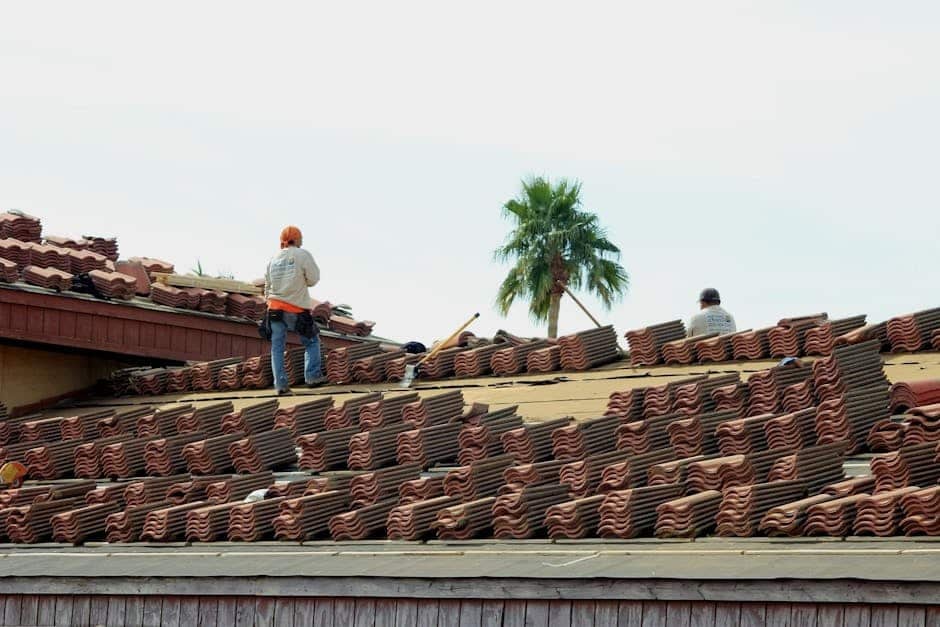
In Phoenix, where the desert sun and monsoon storms put every home to the test, your roof is your first and most important shield. Tile roofs are a popular choice for their beauty and durability, but many homeowners wonder just how long they can expect their investment to last in this extreme climate. By understanding the unique challenges of the Valley and the factors that impact tile roof longevity, you can make smart decisions to protect your home for decades to come.
The Real Lifespan of a Tile Roof in Phoenix: It's More Than Just the Tile
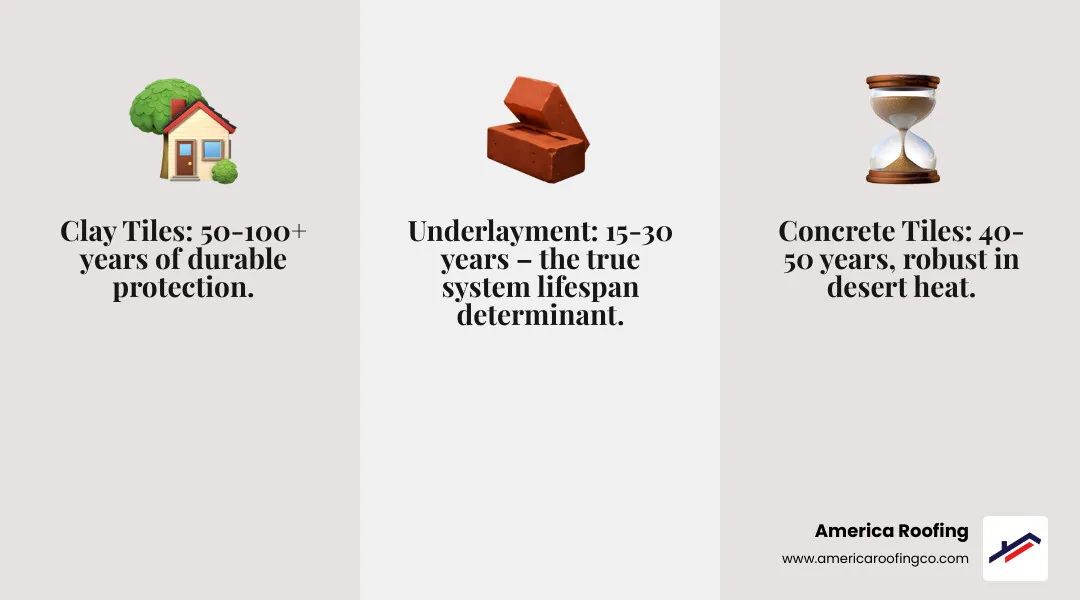
If you're a Phoenix homeowner, you know the sun is relentless. The answer to how long do tile roofs last in Phoenix depends on the entire roofing system, not just the tiles. Here’s a quick breakdown:
- Concrete tiles: 40-50 years on average
- Clay tiles: 50-100+ years with proper care
- Underlayment (the waterproofing layer): 15-30 years—this is the component that typically fails first
- Overall system lifespan: Determined by underlayment failure, not tile failure
Many homeowners assume a tile roof is a "forever roof." While the tiles themselves can last 50 to 100+ years, the underlayment beneath them is what actually keeps water out. In Phoenix's extreme climate, underlayment faces intense UV radiation and roof surface temperatures that can exceed 160°F. Most underlayments need replacement every 15 to 30 years, even when the tiles still look perfect. Understanding this distinction is critical to protecting your investment and avoiding costly water damage.
When we discuss the lifespan of a tile roof in Phoenix, we're really talking about the entire system. The tiles block UV rays and shed water, but the underlayment is the final line of defense against leaks. If your underlayment is failing, your roof is compromised, regardless of how good the tiles look. This is the key to understanding the true answer to how long do tile roofs last in Phoenix. For more general information, see our guide on how long do tile roofs last?. If you need a full replacement, our articles on tile roof replacement and tile roof replacement cost: complete guide can help.
Concrete vs. Clay Tiles: A Durability Showdown
Concrete and clay are both excellent choices for our desert climate, but they have different characteristics affecting longevity and performance.
Clay tiles are known for their exceptional lifespan, often exceeding 50 years and potentially reaching 100+ with proper care. They are naturally colorfast, resisting fading under the intense Arizona sun. However, they can be more brittle, requiring professional handling to prevent breakage.
Concrete tiles are a durable, modern innovation, typically lasting 40-50 years in Phoenix. They are robust and can withstand significant impact, making them a great choice for monsoon season. While strong, concrete tiles are heavier than clay and can be prone to fading, though modern coatings help mitigate this.
| Feature | Clay Tiles | Concrete Tiles |
|---|---|---|
| Lifespan | 50-100+ years | 40-50 years |
| Durability in Heat | Excellent, colorfast, naturally reflective | Excellent, but colors may fade over time |
| Weight | Moderate to heavy | Heavy |
| Colorfastness | Excellent (baked-in color) | Good (can fade, but coatings improve resistance) |
| Brittleness | More brittle, requires careful handling | Less brittle, more impact resistant |
| Average Cost | Higher initial investment | Lower initial investment |
Both materials offer tile roofing: timeless elegance and durability in roofing, and understanding these differences helps in choosing the best option for your needs.
The Unsung Hero: Why Underlayment is Your Roof's True Lifeline
While tiles are the visible protectors, the underlayment is the unsung hero providing the true waterproofing power. In Phoenix, the underlayment is the most critical component, with a typical lifespan of 15 to 30 years. It endures heat over 160°F and UV radiation that seeps through tile gaps. When it deteriorates, leaks and structural damage can follow. This is why a tile roof system often needs attention long before the tiles wear out.
There are several types of underlayment:
- Felt Underlayment: The traditional, budget-friendly option, asphalt-saturated felt lasts about 15-20 years in Arizona's climate. A double layer can extend this to 25 years.
- Synthetic Underlayment: A modern, lightweight, and tough option that is more moisture-resistant. It can last 25-35 years, making it an excellent choice for Phoenix.
- SBS-Modified Underlayment: This premium, rubberized asphalt option offers exceptional durability and flexibility, making it our top recommendation for superior protection against monsoon-driven rain.
Understanding this hidden layer is crucial. We explore the role of roofing underlayment: your roof's important layer on our blog. You can also find more information about roofing underlayment from industry experts.
How Phoenix's Climate Tests Your Tile Roof
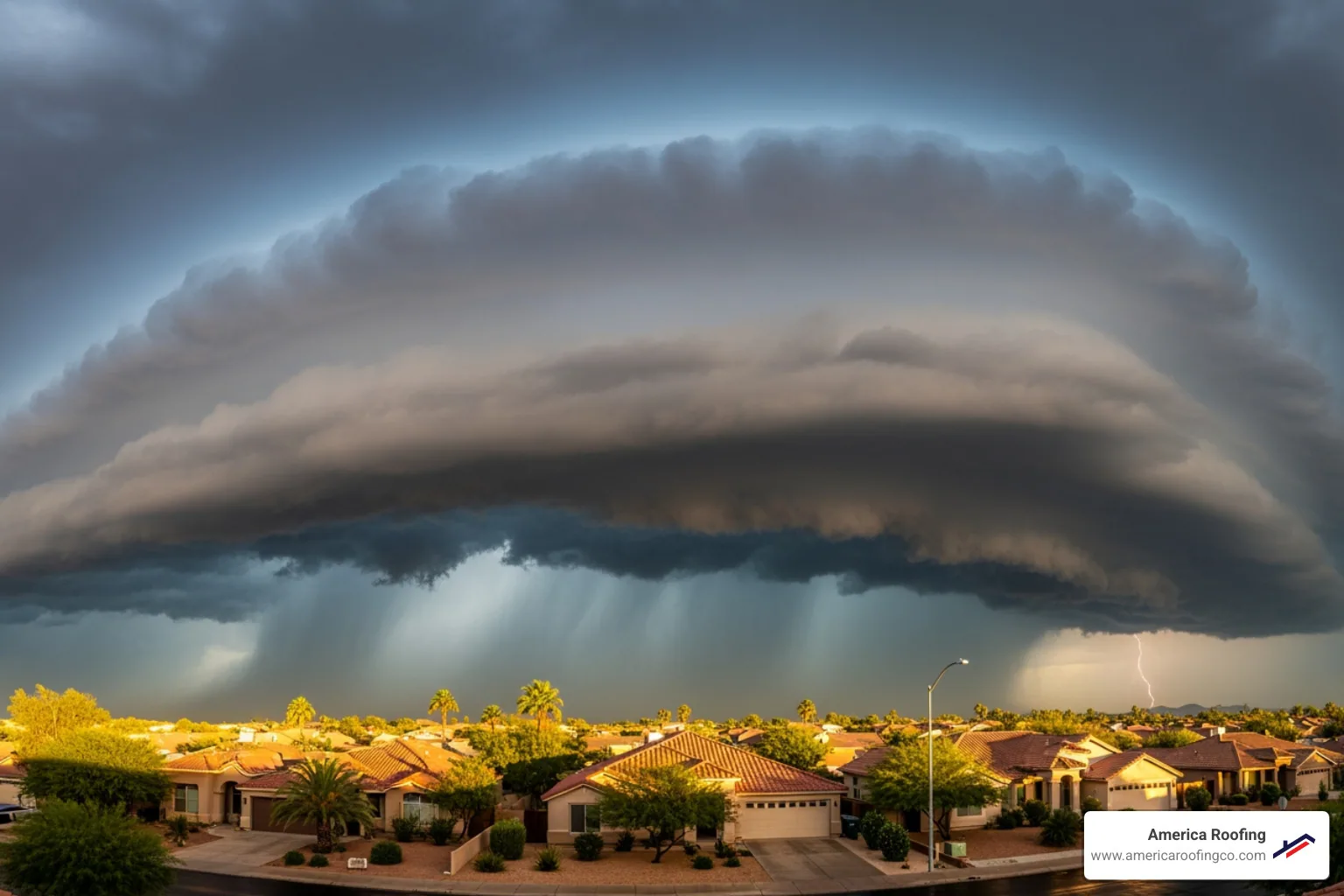
Phoenix summers are tough, but they are even tougher on your roof. Your tile roof endures a punishing combination of environmental challenges that can dramatically shorten its lifespan if not properly installed and maintained. Understanding these forces is key to knowing how long do tile roofs last in Phoenix.
Intense UV radiation from over 300 days of sunshine breaks down the molecular structure of roofing materials. The underlayment is particularly vulnerable, as UV rays penetrate gaps between tiles, causing the material to become brittle and crack. Even tough concrete tiles can experience color fading from this constant solar assault.
Next is the extreme heat. A 115°F day can mean a roof surface temperature of 160°F or higher. At these temperatures, materials literally cook. Asphalt-based underlayments dry out and lose flexibility, and adhesives can soften and fail. This sustained heat accelerates aging in ways homeowners in cooler climates don't experience.
This leads to thermal shock. The Valley's temperature can swing wildly, from a 160°F roof during the day to a 50-degree drop overnight or a sudden plunge when a monsoon rolls in. This constant expansion and contraction creates stress on every component, leading to cracked tiles, separated flashing, and loose fasteners over time.
Monsoon winds and driving rain present their own challenges. These violent storms can lift or shift tiles, exposing vulnerable underlayment to torrential downpours. When 40+ mph winds combine with heavy rain, water is forced under tiles and into weak spots. This is why we recommend homeowners prepare roof monsoon season phoenix with a proactive inspection.
Finally, haboobs (dust storms) act like sandpaper on your roof. Fine dust and sand wear down surfaces, get under tiles, and clog drainage systems. This trapped dust can hold moisture, accelerating wear and tear.
These factors create the "Phoenix roofing gauntlet." It's why how long do tile roofs last in Phoenix is a different question than in milder climates. The same system might need underlayment replacement at 20 years here versus 40 years elsewhere. We dive deeper into these challenges in our article on how does Arizona's weather affect your roof?. With proper installation and maintenance, a quality tile roof can stand up to everything Phoenix throws at it.
How Long Do Tile Roofs Last in Phoenix? Maximizing Longevity Through Care
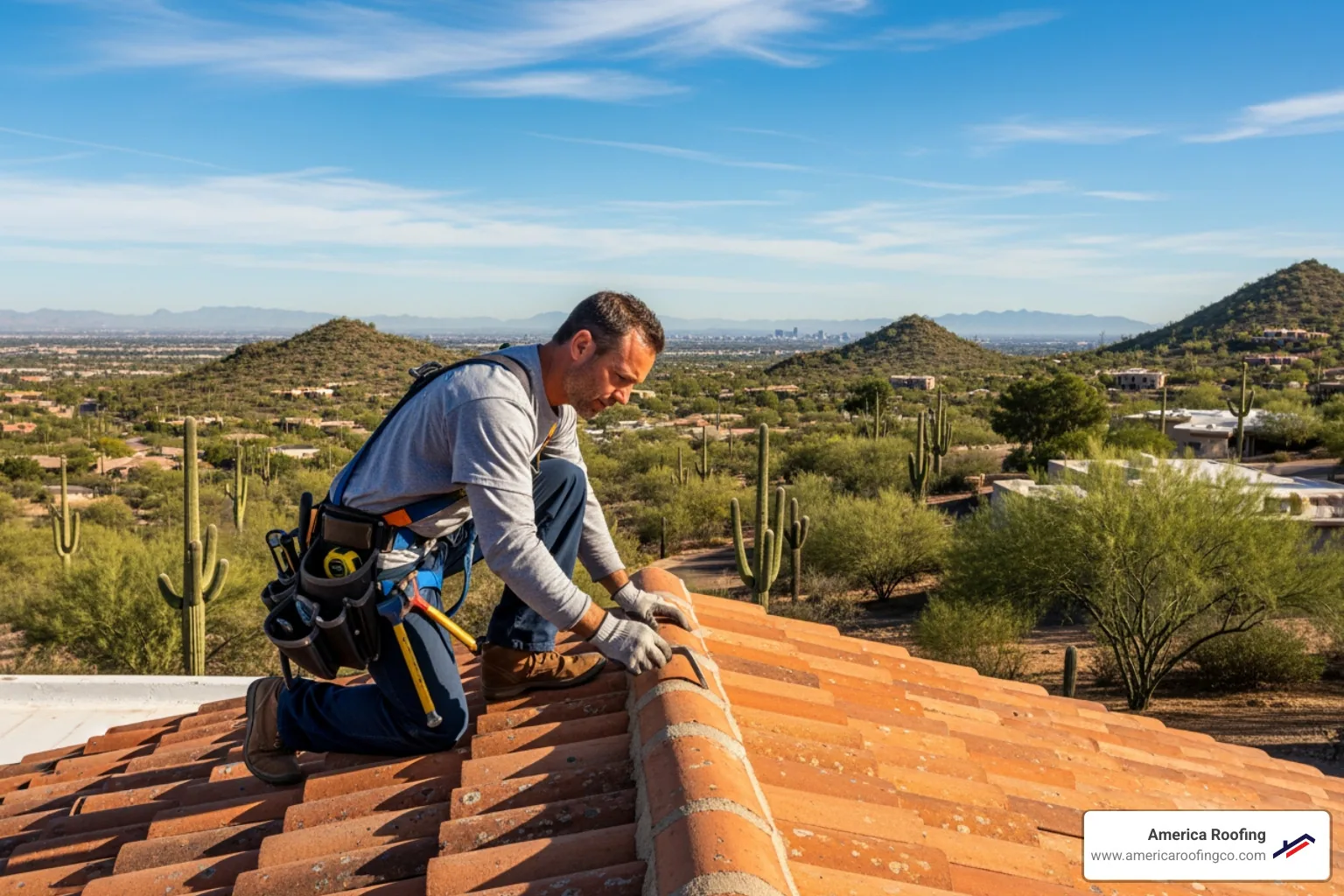
While Phoenix's climate is brutal on roofs, you have control over your roof's lifespan. The answer to how long do tile roofs last in Phoenix is heavily influenced by your choices. Professional installation, regular maintenance, and proactive repairs can mean the difference between a 20-year roof and one that lasts over 50 years. We share our best tips to increase your roofs lifespan on our blog.
The Critical Role of Professional Installation
Even durable tile can underperform when flashing, fastening or underlayment details are wrong. Those defects may be difficult to see from the ground but can shorten the useful life of the roof and lead to leaks.
- Proper flashing at chimneys, skylights, and vents is critical for a watertight seal and is a common failure point in amateur jobs.
- Adequate ventilation prevents heat buildup in the attic, which can cook your underlayment from below and cut its lifespan in half.
- Batten system integrity is crucial. These strips support the tiles and create airflow. If not properly secured, tiles can slip, crack, or blow off.
- Correct nail patterns ensure tiles remain secure during high winds.
Poor installation can shorten a roof's life by 30-50%. Hiring a reputable local roofer who understands Arizona's climate is essential. Our guide on how to choose the right roofing contractor: tips and red flags can help. Look for contractors who are members of organizations like Arizona Roofing Contractors, which uphold high standards.
A Homeowner's Guide to Tile Roof Maintenance
Regular check-ups prevent expensive problems. For tile roofs in Phoenix, consistent maintenance is key to longevity. While relatively low-maintenance, they are not "no-maintenance."
We recommend semi-annual inspections, once before monsoon season (May) and once after (October). Here are key tasks:
- Gutter cleaning: Clogged gutters cause water to back up under tiles, soaking the underlayment and fascia. Clean them at least twice a year.
- Debris removal: Leaves and twigs in roof valleys trap moisture, which can lead to deterioration. Keep these areas clear.
- Tree trimming: Keep branches at least 10 feet from your roof to prevent debris accumulation and storm damage.
- Sealant checks: The seals around pipes and vents break down under UV exposure. Catching a cracked seal early is a minor repair that prevents a major leak.
Our roofing maintenance checklist provides more detail. Learn more about the importance of proper roofing maintenance and why it's so vital in Arizona.
How long do tile roofs last in phoenix if you ignore warning signs?
Ignoring warning signs is a costly gamble. When homeowners ask how long do tile roofs last in Phoenix if they skip maintenance, the answer is always "not nearly as long as they should."
- Cracked or chipped tiles: Each crack is an entry point for water to reach and degrade your underlayment, leading to rot and structural damage.
- Slipped tiles: This indicates a problem with the underlying battens or fasteners. The resulting gaps allow water to pour directly onto the underlayment.
- Leaks after rain: A water stain on your ceiling means water has already penetrated the underlayment and insulation. The damage is already significant by this point.
- Missing tiles: A single missing tile exposes the underlayment to direct UV and weather, causing rapid deterioration. What could be a small tile replacement can become a large underlayment repair.
- A sagging roofline: This is an emergency. It means water has compromised the roof's structural supports and requires immediate professional assessment.
Catching these issues early is crucial. A $200 repair can easily become a $20,000 replacement if ignored. We outline these and other indicators in our article on 5 signs it's time to replace your roof. If you're facing these issues, our Arizona roof repair: a comprehensive guide can help you understand your options.
Tile Roofs: The Long-Term Value for Phoenix Homeowners
When Phoenix homeowners ask how long do tile roofs last in Phoenix, they're often asking about value. Tile roofs are one of the smartest investments for a home in the Valley, offering durability, beauty, and efficiency.
While tile roofs cost more upfront than shingles, they are built for Arizona's climate. Tile roofs can last 50 to 100+ years with proper care, whereas asphalt shingles often fail after just 15-20 years in our brutal heat. This longevity makes the initial investment a wise financial decision.
A beautiful tile roof also boosts curb appeal and is synonymous with quality and desert-appropriate architecture. A well-maintained tile roof can significantly increase your home's resale value, a topic we explore in roofing and home resale value: a deep dive.
Energy efficiency is another major benefit in Phoenix. Tile roofs naturally reflect sunlight and create an air gap that allows heat to ventilate instead of baking into your attic. This thermal barrier reduces the workload on your air conditioner, leading to lower cooling bills. In a city with a long cooling season, these savings add up quickly.
Furthermore, both clay and concrete tiles are fire-resistant, providing crucial protection in our dry environment. This safety feature can also lead to insurance discounts. These combined factors make tile one of the best roofing material phoenix homeowners can choose.
The Financial Case for Tile: Cost vs. Long-Term Benefits
Looking at the numbers, the long-term value of tile roofing becomes clear. While the initial investment is higher, the total cost of ownership is often lower.
An asphalt shingle roof in Phoenix may need replacement three or four times over a 60-year period. Each replacement involves costs for materials, labor, and disposal. In contrast, a tile roof might only need one underlayment replacement in that same timeframe, and the original tiles can often be reinstalled, saving thousands.
Factor in the energy savings. According to the Tile Roofing Institute, tile roofs can reduce cooling costs by 20% or more in hot climates. In Phoenix, where summer electric bills are high, these savings can offset a significant portion of the initial investment over the roof's lifespan.
Tile roofs also require less maintenance than other materials. With proper installation and basic care—like annual inspections and clear gutters—your tile roof will perform for decades.
This is what we mean by investing in a new roof: cost vs. long-term benefits. When considering replacement frequency, energy savings, maintenance, and resale value, tile roofs deliver an excellent return on investment for Phoenix homeowners.
Frequently Asked Questions about Phoenix Tile Roof Longevity
We get many questions from Phoenix homeowners about their tile roofs. Here are answers to the most common concerns we hear.
Can I walk on my tile roof?
The short answer is you shouldn't. It's easy to accidentally crack tiles, turning a simple inspection into a costly repair. Clay tiles become more brittle over time in the Arizona sun, and even durable concrete tiles can break under focused weight. Walking on tiles also risks damaging the underlayment beneath. Furthermore, tile roofs can be steep and slippery with desert dust.
If access is necessary, professionals use equipment like crawling boards or access platforms to distribute weight evenly. We discuss this in our article on roofing safety: what every homeowner should be aware of. The Roof Tile Association also provides guidance on why you should avoid walking on your roof. It's best to leave roof walking to trained professionals.
How often does the underlayment need to be replaced?
This is a critical question for how long do tile roofs last in Phoenix, as the underlayment provides the waterproofing. While tiles can last over 50 years, the underlayment typically needs replacement every 15 to 30 years due to Phoenix's extreme heat and UV exposure.
Signs of failure include leaks after storms, water stains in the attic, or visible cracking and brittleness in the underlayment material itself. When this occurs, a "re-felt" is needed. This process involves removing the tiles, installing a new high-performance underlayment (like synthetic or SBS-modified), and reinstalling the original tiles if they are in good condition. This common procedure is covered in our guide on roof replacement vs. repair: making the right decision.
Does the color of the tile affect its lifespan or my home's temperature?
Yes, tile color significantly impacts your home's temperature and energy bills. This relates to the principle of "cool roofs," which reflect more sunlight and absorb less heat. Lighter-colored tiles can keep your attic cooler, reducing the strain on your air conditioner and lowering utility costs. The Department of Energy offers great information on this topic, and we explore it further in the benefits of cool roofing: energy efficiency and comfort.
Regarding lifespan, color doesn't affect clay tiles, as their color is baked in and resists fading. For concrete tiles, darker colors can fade over time due to intense UV exposure. However, modern concrete tiles often include advanced coatings that greatly improve color retention, making this less of an issue than it once was. Choosing lighter, more reflective tiles is a smart move for energy savings without compromising longevity.
Protect Your Investment with Phoenix's Tile Roofing Experts
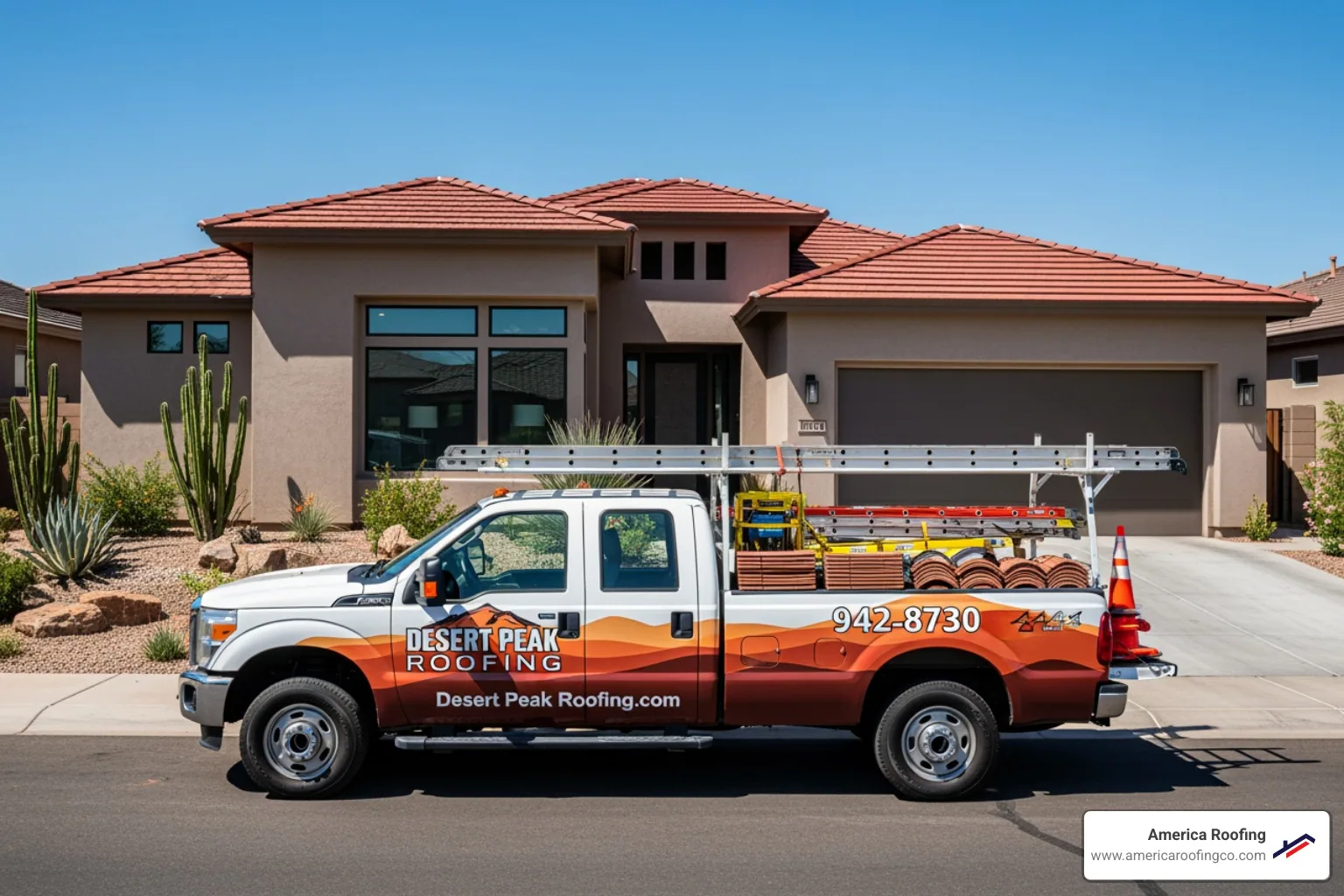
So, how long do tile roofs last in Phoenix? While the tiles can last 50 to 100 years, the underlayment is the true workhorse, typically needing replacement every 15 to 30 years in our desert climate. This is the honest answer.
With professional installation, quality materials, and consistent maintenance, your tile roof can be one of the best investments for your Phoenix home. It's about understanding the system and partnering with experts who care about protecting your investment.
At America Roofing, a family-owned, veteran-owned business, we've been serving Phoenix homeowners since 1999. We've built our reputation on honest, no-pressure advice and transparent pricing. Our expertise comes from three generations of roofing experience and protecting thousands of homes across Phoenix, Mesa, Chandler, Gilbert, and the entire Valley.
We understand how Phoenix's climate tests every detail of a roof. Our team uses premium materials engineered for extreme heat and UV exposure, installed with flawless craftsmanship. We back our work with customer-first service that has made us the highest-reviewed local roofing company in the area.
Your tile roof is a major investment that deserves expert care. Don't wait for a ceiling stain to find your underlayment has failed. Schedule a professional inspection for your residential tile roof in Arizona today, and let's ensure your roof is ready to protect your home for decades to come.